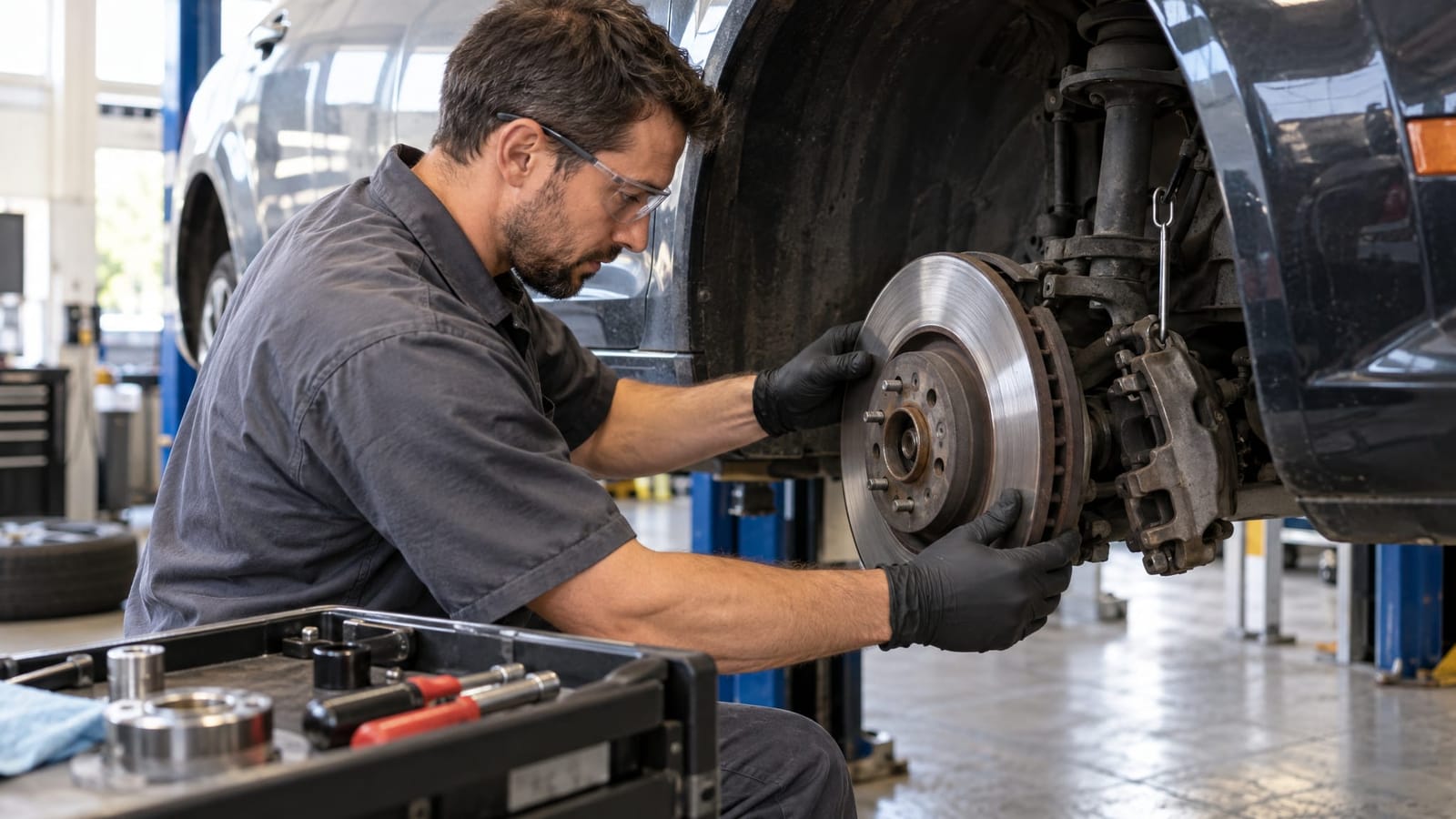
Air Conditioning System Diagnosis: Professional Problem Detection and Repair

When your car's air conditioning stops working the way it should, figuring out exactly what's wrong is the first, and most important, step. A proper AC system diagnosis and repair process doesn't start with guesswork. It starts with a thorough, structured inspection that identifies the real cause of the problem before any parts are replaced or refrigerant is added. As part of a complete approach to automotive climate control service, understanding what a professional diagnosis actually involves helps you make informed decisions and avoid unnecessary costs. In this guide, we'll walk through how the diagnostic process works, what the most common A/C problems look like, and why professional detection leads to better, longer-lasting results.
What Does an A/C System Diagnosis Actually Include?
A professional AC system diagnosis and repair evaluation is more involved than many drivers expect. It isn't just a technician turning on your vents and saying, "Yep, it's not cold." A proper diagnosis covers multiple inspection points to build a complete picture of how your system is functioning, and where it's breaking down.
Here's what a full diagnostic typically includes:
- Visual inspection: The technician checks all major components, the compressor, condenser, evaporator connections, hoses, and belts, for visible signs of wear, damage, or leaks.
- Refrigerant level check: Low refrigerant is one of the most common causes of poor A/C performance. The system is checked for proper charge level and pressure readings at both the high and low sides.
- Performance testing: Airflow volume and temperature output are measured at the vents. A properly functioning system should cool air to somewhere between 35°F and 48°F at the vent, depending on ambient conditions.
- Leak detection: Using UV dye or an electronic leak detector, technicians identify refrigerant leaks that aren't visible to the naked eye. Even a small leak can reduce cooling efficiency significantly over time.
- Electrical system checks: The blower motor, A/C clutch, pressure switches, and control module connections are tested to rule out electrical faults.
- Digital inspection report: Many professional shops provide a written summary of findings, so you know exactly what was checked and what was found.
This kind of structured process is what separates a professional diagnosis from a quick guess. Without it, there's a real risk of replacing parts that weren't actually the problem, which costs time and money without fixing anything.
The Most Common Signs Your A/C System Needs Attention
Knowing what to listen, smell, and feel for can help you catch A/C problems before they turn into bigger issues. Most air conditioning problems don't appear all at once: they develop gradually and give you warning signs along the way.
Warm or Lukewarm Air at the Vents
This is the most obvious symptom and the one most drivers notice first. If your A/C is blowing air that feels warm or only slightly cool, the system is likely low on refrigerant, the compressor isn't engaging properly, or there's a leak allowing refrigerant to escape. Studies from automotive service providers suggest that refrigerant loss through slow leaks is responsible for more than 80% of A/C performance complaints. Understanding the car AC blowing warm air causes helps you communicate effectively with your technician and set the right expectations for repair.
Weak Airflow from the Vents
If the air feels cool but barely comes out, the issue is usually with the blower motor, a clogged cabin air filter, or a blocked evaporator core. Cabin air filters should generally be replaced every 12,000 to 15,000 miles: a step that's easy to overlook but has a direct impact on airflow quality and air cleanliness inside the vehicle.
Unusual Noises When the A/C Runs
A rattling, grinding, or squealing sound when you switch on the A/C often points to a worn compressor clutch or failing compressor bearing. These are mechanical issues that tend to worsen over time, so catching them early generally means a simpler repair.
Unpleasant Odors from the Vents
A musty or mildew-like smell is a common complaint and is usually caused by bacterial or mold buildup on the evaporator core. This happens when moisture collects in a warm, enclosed space: exactly the environment inside your A/C system. Cabin air filter replacement and an evaporator treatment can typically resolve this without major repairs.
Why Accurate Diagnosis Saves You Money
One of the most practical reasons to invest in a proper AC system diagnosis and repair evaluation upfront is the money it saves in the long run. Without an accurate diagnosis, it's easy to fall into a cycle of replacing parts that weren't the actual cause of the problem.
For example, a customer might assume their A/C compressor has failed because the system isn't blowing cold air. But after a proper inspection, the actual issue might be a $15 pressure switch that prevented the compressor from engaging, not a $400-$800 compressor replacement. A thorough diagnostic catches that distinction before any expensive parts are ordered.
There's also the matter of refrigerant handling. Simply recharging a system without checking for leaks means the refrigerant will escape again, usually within weeks or months. The Environmental Protection Agency (EPA) estimates that vehicle A/C systems collectively release millions of pounds of refrigerant into the atmosphere each year, largely due to undetected leaks. A proper diagnosis finds those leaks before a recharge is performed, so the repair actually lasts.
If your vehicle does need refrigerant after diagnosis, a professional car AC recharge service ensures the system is filled to the correct specification for your vehicle's make and model, not just "topped off" without proper measurement.
How Professional Technicians Approach A/C Repairs
Once a diagnosis is complete, the repair approach depends entirely on what was found. There's no one-size-fits-all fix for A/C problems, which is exactly why the diagnostic step matters so much.
Refrigerant Recharge and Leak Repair
If the system is low on refrigerant due to a leak, the leak needs to be addressed first. This might involve replacing an O-ring seal, a hose fitting, or a more significant component like the condenser or evaporator. Once the leak is sealed, the system is evacuated, vacuumed to remove any moisture, and recharged to the manufacturer's specified level.
Compressor Service or Replacement
The compressor is the heart of the A/C system: it pressurizes the refrigerant and keeps it circulating. When the compressor fails, the entire system stops cooling effectively. Compressor issues are more expensive to address, which is another reason early detection through regular maintenance is so valuable. Catching early signs like noise or reduced cooling before a full compressor failure can prevent a much larger repair bill.
Electrical and Control System Repairs
Sometimes the cooling system itself is fine, but an electrical fault, a bad relay, failed pressure switch, or wiring issue, prevents it from operating. These repairs often take less time and cost less than mechanical fixes, but they're only discovered through proper electrical testing during the diagnostic process.
Cabin Air Filter and Evaporator Service
For airflow and odor issues, the solution is often straightforward: a new cabin air filter and an evaporator cleaning treatment. These are considered routine maintenance items and are some of the most cost-effective A/C services available. To understand exactly what technicians look for during this type of evaluation, reviewing the AC system inspection checklist gives you a helpful overview of the process.
Does Vehicle Make and Model Affect A/C Service?
One question that comes up often is whether A/C service works the same way across different vehicles. The short answer is yes, the core principles of A/C diagnosis and repair apply broadly, but there are important differences in refrigerant type, system layout, and component specifications depending on the vehicle.
Vehicles manufactured before 1995 used R-12 refrigerant, which is no longer in common use. Most modern vehicles use R-134a, while newer models from 2021 onward increasingly use R-1234yf, a refrigerant with a lower environmental impact. Using the wrong refrigerant type, or the wrong amount, can damage system components, so accurate identification during diagnosis is essential.
Luxury vehicles, trucks, and commercial fleet vehicles may have more complex climate control systems with dual zones, rear A/C units, or advanced electronic controls. These systems require technicians with the right diagnostic equipment and experience. For drivers curious about how A/C service applies across different vehicle types, more detail on AC service all car makes covers the key differences and what to expect.
Related Details Worth Exploring
For a deeper understanding of specific aspects of A/C service, a few related topics cover the details that matter most to vehicle owners:
- If your system is consistently blowing warm air, there's more to know about the specific causes and what each one means for your repair options.
- Understanding the step-by-step breakdown of what a professional inspection covers helps you know exactly what you're getting when you bring your vehicle in for service.
- For vehicles that need refrigerant after a clean diagnostic, a proper recharge service restores system performance without guesswork.
Conclusion
A well-functioning air conditioning system makes driving comfortable, but getting there starts with knowing what's actually wrong. A thorough AC system diagnosis and repair process identifies the root cause, not just the symptom, so repairs are accurate, effective, and worth the investment. Whether your A/C is blowing warm air, making unusual noises, or simply not performing the way it should, professional diagnosis is the right first step. At Rancho Express Lube, we provide honest, detailed A/C evaluations so you know exactly what your vehicle needs before any work begins. Schedule your A/C diagnostic today and drive comfortably all season long.