Can You Install Tires I Purchased Online?
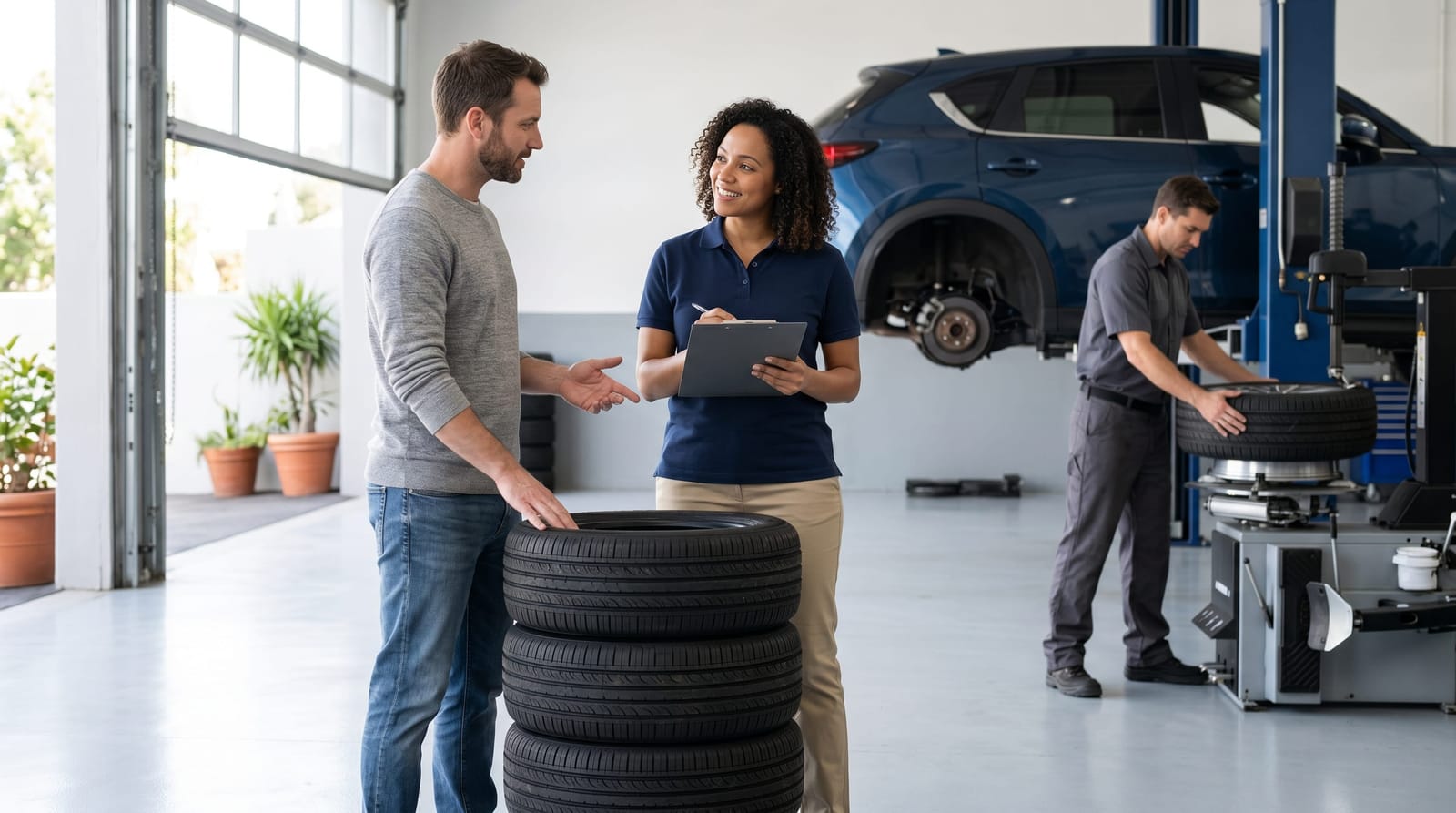
Buying tires online has become increasingly common. You can compare brands, read reviews, and sometimes find better pricing than what's available locally. But once those tires arrive at your door, a natural question follows: can you bring them to a shop and have them installed? The short answer is yes, and at Rancho Express Lube in Claremont, we offer install customer purchased tires as a straightforward, professional service. Here's everything you need to know before you show up with a set of tires in your trunk.
Yes, We Install Tires You Purchased Elsewhere
Not every shop will mount tires you didn't buy from them. Some retailers, like BJ's Wholesale Club, have a strict policy that they only install tires purchased through their own store. That can leave customers who shopped online feeling stuck.
At Rancho Express Lube, we don't require you to buy your tires from us in order to have them installed. If you've ordered tires from Tire Rack, Amazon, or any other online retailer, you're welcome to bring them in. We'll mount them, balance them, and make sure everything is properly set up for safe driving.
This is a service that more customers are asking for. According to industry data, online tire sales have grown significantly over the past decade, with some estimates placing the online tire market at over $6 billion annually in the U.S. More people than ever are arriving at shops with tires they ordered themselves, and having a trusted local installer makes that process smooth and safe.
What Happens During a Professional Tire Installation
Installing a tire isn't just sliding rubber onto a rim. There are several steps involved, and each one matters for your safety and the longevity of the tire.
Here's what a proper installation typically involves:
- Removing the old tire: The wheel is taken off the vehicle, and the existing tire is carefully dismounted from the rim using a machine designed for this purpose.
- Inspecting the wheel: Before mounting the new tire, a technician checks the rim for damage, corrosion, or issues that could affect the seal.
- Mounting the new tire: The new tire is pressed onto the rim using a tire mounting machine. This step requires care to avoid damaging the tire bead: the edge that creates an airtight seal against the wheel.
- Inflating and seating the tire: The tire is inflated to the correct pressure, ensuring the bead seats evenly around the rim.
- Balancing: The wheel and tire assembly is placed on a balancing machine to check for weight imbalances. Small weights are added to the rim as needed to ensure a smooth, vibration-free ride.
- TPMS check: If your vehicle has a Tire Pressure Monitoring System, which most vehicles made after 2008 do: the sensors are checked and reset as part of the process.
To understand the difference between the mounting and balancing steps in more detail, our post on tire mounting vs balancing breaks down exactly what each process involves and why both matter.
Why Professional Installation Is Worth It: Even If You Saved Money on the Tires
Some customers wonder whether they can skip professional installation to save a few more dollars. While it's technically possible to mount a tire at home, it requires specialized equipment that most people don't have, and the risk of damage is real. Improper mounting can crack a tire bead, damage the rim, or compromise the TPMS sensor, which alone can cost $50 to $150 per sensor to replace.
Professional installation typically costs between $15 and $45 per tire at most shops, depending on your location and vehicle type. For most people, that's a reasonable investment to ensure the tires are mounted correctly, balanced properly, and safe to drive on.
There's also the matter of warranties. Many tire manufacturers offer road hazard coverage or tread warranties, but those warranties often require the tires to be professionally installed. Doing it yourself, or having it done improperly, can void the coverage you paid for.
What to Keep in Mind When You Bring In Your Own Tires
Before you load up your car, there are a few practical things to think about:
- Make sure you ordered the right size. Check your vehicle's door jamb sticker or owner's manual for the correct tire size. Installing the wrong size can affect your speedometer reading, handling, and safety, and a shop can't be responsible for a size mismatch on tires you selected yourself.
- Have all four tires if you're replacing the full set. It's more efficient to install a complete set in one visit, and it ensures even wear across all four positions from day one.
- Let us know if your vehicle has a TPMS. Most do, but some older vehicles don't. Knowing this ahead of time helps the technician plan the job properly.
- Ask about disposal of your old tires. Shops typically charge a small fee, often $2 to $5 per tire, to dispose of old tires properly. It's worth asking about this upfront so there are no surprises.
How to Know If Your Online Tires Are Even the Right Ones
One underrated benefit of working with a professional shop, even when you bring your own tires, is having a second set of eyes on your purchase before anything gets mounted. If you ordered a tire that doesn't look right for your vehicle or driving needs, a technician can flag it before installation rather than after.
If you're unsure whether your current tires even need replacing, our post on when to replace tires signs walks through the key indicators that it's time for new tires, including tread depth, sidewall condition, and age-related wear. It's a useful reference if you're on the fence about whether a replacement is actually necessary before you order anything online.
Frequently Asked Questions
Do you charge more to install tires I didn't buy from you?
At Rancho Express Lube, we charge a standard installation fee per tire regardless of where you purchased them. There's no markup for tires you bought elsewhere. We want the process to be straightforward and fair.
Can I bring just two tires instead of four?
Yes. If you're only replacing two tires, front or rear, that's fine. We'll mount and balance only the tires you bring. Keep in mind that for even handling and tread wear, it's generally recommended to replace tires in pairs on the same axle.
What if the tires I ordered arrive damaged?
Tires shipped by freight or courier occasionally arrive with shipping damage. If you notice any bulging, cuts, or unusual deformation on the sidewall or tread area when your tires arrive, contact the retailer before bringing them in for installation. A reputable online tire seller should have a return or replacement process for damaged shipments.
How long does tire installation take?
A standard four-tire installation, mounting, balancing, and reinstalling on the vehicle, typically takes between 45 minutes and 90 minutes, depending on the shop's current workload and whether any additional services like a TPMS reset are needed.
The Bottom Line
Buying tires online is a legitimate way to find the right product at a good price, and you shouldn't have to compromise on professional installation just because you shopped around. Rancho Express Lube is happy to install customer purchased tires with the same care and attention we'd give to any tire service. Bring your tires in, and we'll make sure they go on correctly, sit balanced, and keep you driving safely. That's what a reliable neighborhood shop is here for.