Commercial Vehicle Suspension: Heavy-Duty Service for Work Trucks and Fleets
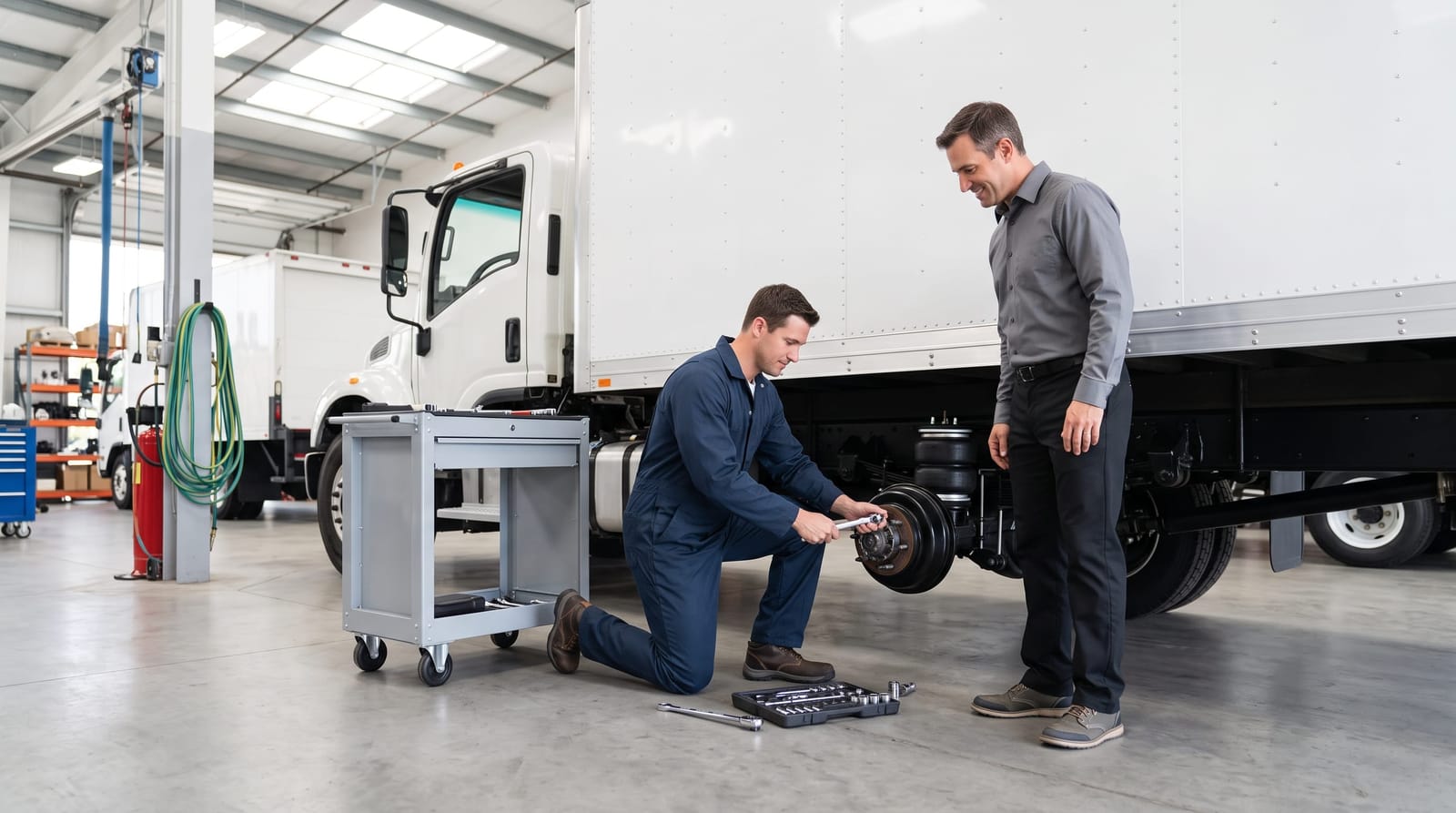
When you're managing a work truck or a fleet of commercial vehicles, the suspension system isn't just about ride comfort: it's about keeping your operation running safely and efficiently every single day. As part of a broader approach to complete suspension service, commercial vehicle suspension repair deserves its own focused attention. Work trucks carry heavy loads, travel long distances, and face road conditions that push suspension components far harder than a typical passenger car ever would. Understanding what your commercial vehicles need, when they need it, and how professional service protects your investment can make a meaningful difference in uptime, safety, and long-term costs. This guide walks through the essentials of commercial vehicle suspension repair, from how these systems work to what a smart fleet maintenance program actually looks like.
How Commercial Vehicle Suspension Differs from Passenger Vehicles
Most drivers are familiar with the suspension system on a personal car: it smooths out bumps, keeps tires in contact with the road, and helps with steering control. Commercial vehicle suspension repair involves a fundamentally different level of engineering because work trucks are built to carry and tow substantial weight, often on a daily basis.
Commercial suspensions typically use heavier-gauge components, reinforced leaf springs or air suspension systems, and more robust shock absorbers than you'd find on a standard sedan or SUV. These components are sized to handle significant load ratings without flexing excessively or wearing out prematurely under normal commercial use.
Common Commercial Suspension Configurations
- Leaf spring suspension: A traditional design commonly found on heavy-duty pickups and larger trucks. Multiple layers of curved steel absorb load and road impact. These are durable and relatively straightforward to service, though they do wear over time with heavy use.
- Air ride suspension: Used frequently in larger commercial trucks and fleet vehicles, air suspension systems use pressurized airbags instead of or alongside metal springs. They offer a smoother ride and adjustable load handling, but require more specialized maintenance.
- Torsion bar suspension: Found on some medium-duty trucks, torsion bars use a twisting action to absorb road forces. They're compact and adjustable but have specific service requirements.
Each configuration has different inspection points, wear patterns, and service intervals. Knowing what type of suspension your commercial vehicles run is the starting point for any good maintenance program.
Why Load Matters So Much for Suspension Health
One of the most important factors in commercial vehicle suspension repair is understanding load: how much weight the vehicle regularly carries and how that weight affects suspension components over time. A work truck that routinely operates near its maximum payload rating will wear through suspension parts significantly faster than one that's lightly loaded most of the time.
When a suspension system is under consistent heavy load, several things happen gradually. Springs compress more frequently and can begin to sag or lose their rated tension. Shock absorbers work harder with every bump and dip, generating more heat and wearing out their internal seals faster. Bushings, the rubber or polyurethane cushions that connect suspension components to the vehicle frame, deteriorate more quickly under constant stress.
Signs That Load Is Taking a Toll
- The rear of the vehicle sits noticeably lower than it should, even when unloaded
- The truck feels unstable or sways when cornering with a full load
- Tires show uneven wear patterns, particularly on the inside or outside edges
- The steering feels vague or requires more effort than usual
- You notice unusual sounds, clunking, squeaking, or groaning, especially when going over bumps or during turns
None of these signs mean something catastrophic is happening, but they are signals worth addressing through a proper commercial vehicle suspension repair inspection. Catching these issues early typically keeps repairs simpler and less disruptive to your schedule.
Core Components in Commercial Vehicle Suspension Repair
Commercial vehicle suspension repair covers a range of components, and understanding what each one does helps fleet managers and owner-operators have more informed conversations with their service provider.
Shocks and Struts
Heavy-duty shock absorbers are workhorses in commercial suspension systems. They dampen the energy from road impacts so the vehicle doesn't bounce excessively after hitting a pothole or uneven pavement. When shocks wear out, the vehicle rides rougher, handling becomes less predictable, and tire wear accelerates. For more detail on how shock replacement affects vehicle control and ride quality, our shock strut replacement service guide covers this thoroughly.
Springs
Leaf springs and coil springs support the weight of the vehicle and its cargo. Over time, springs can crack, sag, or break entirely. A broken leaf spring on a loaded work truck is a serious safety concern that warrants immediate attention. Regular visual inspection during routine service can catch early signs of fatigue before a spring fails.
Bushings and Ball Joints
These smaller components connect the larger suspension parts to each other and to the vehicle frame. Worn bushings cause looseness in the suspension that leads to noise, poor handling, and accelerated wear on nearby components. Ball joints, which allow the steering knuckle to pivot, are particularly important for commercial vehicles because they handle both load and directional forces simultaneously.
Alignment
Commercial vehicle suspension repair almost always includes a wheel alignment check. When suspension components wear or are replaced, alignment settings shift. Misaligned commercial vehicles burn through tires faster, use more fuel, and handle less predictably, all costs that add up quickly across a fleet.
Fleet Maintenance Programs: The Proactive Approach
For businesses operating multiple commercial vehicles, reactive repair, fixing things after they break, is almost always more expensive and disruptive than a planned maintenance approach. A well-structured commercial vehicle suspension repair program shifts the focus from emergency fixes to scheduled inspections and predictable service intervals.
What a Good Fleet Suspension Program Includes
- Regular inspection intervals: Suspension components on commercial vehicles should be visually inspected more frequently than on passenger cars. Depending on load usage and mileage, this might mean every oil change or every few thousand miles of operation.
- Documented service records: Tracking what's been inspected, replaced, and noted for future attention on each vehicle in the fleet helps identify patterns and plan ahead. It also supports resale value and regulatory compliance discussions with appropriate professionals.
- Coordinated downtime: Scheduling suspension service during planned downtime rather than waiting for a breakdown reduces the impact on daily operations.
- Load-appropriate service intervals: A truck that runs near maximum capacity daily needs more frequent suspension attention than one used for lighter tasks. Service intervals should reflect actual use, not just calendar time.
Learning more about work truck suspension maintenance can help you build a realistic schedule tailored to how your vehicles actually operate.
Steering and Suspension: A Connected System
Commercial vehicle suspension repair rarely exists in isolation from the steering system. These two systems share components and directly influence each other's performance. A suspension that's out of alignment puts stress on steering components. Worn steering parts can make suspension problems feel worse. When one system needs attention, it's worth evaluating the other at the same time.
For commercial vehicles that cover significant mileage, the steering system takes on considerable wear. Tie rods, drag links, and steering dampers all experience more stress in a truck that's regularly loaded than in a lighter passenger vehicle. Our overview of steering system repair covers how these components work together and what proper maintenance looks like.
Addressing both systems together during a scheduled service visit is typically more efficient than handling them separately, and it gives technicians a complete picture of the vehicle's handling health.
Choosing the Right Service Provider for Commercial Vehicle Suspension Repair
Not every automotive shop is equally equipped to handle commercial vehicle suspension repair. Work trucks and fleet vehicles have different requirements than passenger cars, and the service provider you choose should understand those differences.
What to Look For
- Experience working with the specific types and configurations of your fleet vehicles
- Capacity to service vehicles at a size and weight that's appropriate for commercial trucks
- Familiarity with fleet documentation and the ability to provide clear service records for each vehicle
- Transparent communication about what was found, what was done, and what to watch for next time
- Reasonable turnaround time that respects the operational demands of a working fleet
A shop that explains what they found and why it matters, without pressure or exaggeration, is one worth building a long-term relationship with. Commercial vehicle suspension repair is an ongoing need, not a one-time event, so trust and consistency matter.
Related Topics Worth Exploring
Commercial vehicle suspension repair connects to several other areas that fleet operators and work truck owners often need to understand. If you're building out a complete maintenance approach for your vehicles, these related areas are worth reviewing:
- Routine work truck suspension maintenance schedules and what to expect at each service interval
- How shock absorber condition affects both ride quality and load-carrying performance on heavy-duty vehicles
- The relationship between proper wheel alignment and tire longevity on commercial vehicles
- Steering system health checks as part of an overall commercial vehicle inspection routine
Conclusion
Commercial vehicle suspension repair is a practical necessity for any business that depends on work trucks to get things done. These systems absorb significant stress every day, and keeping them in good shape protects the vehicle, the cargo, and the people behind the wheel. Whether you're managing a single work truck or a larger fleet, a proactive approach to suspension maintenance, built on regular inspections, honest service, and documented records, is almost always more cost-effective than waiting for problems to develop. At Rancho Express Lube, we're here to help keep your commercial vehicles performing reliably. Contact us to schedule a commercial vehicle suspension inspection and let's build a maintenance plan that fits your operation.