How Do I Know if My Brake Pads Need Replacement?
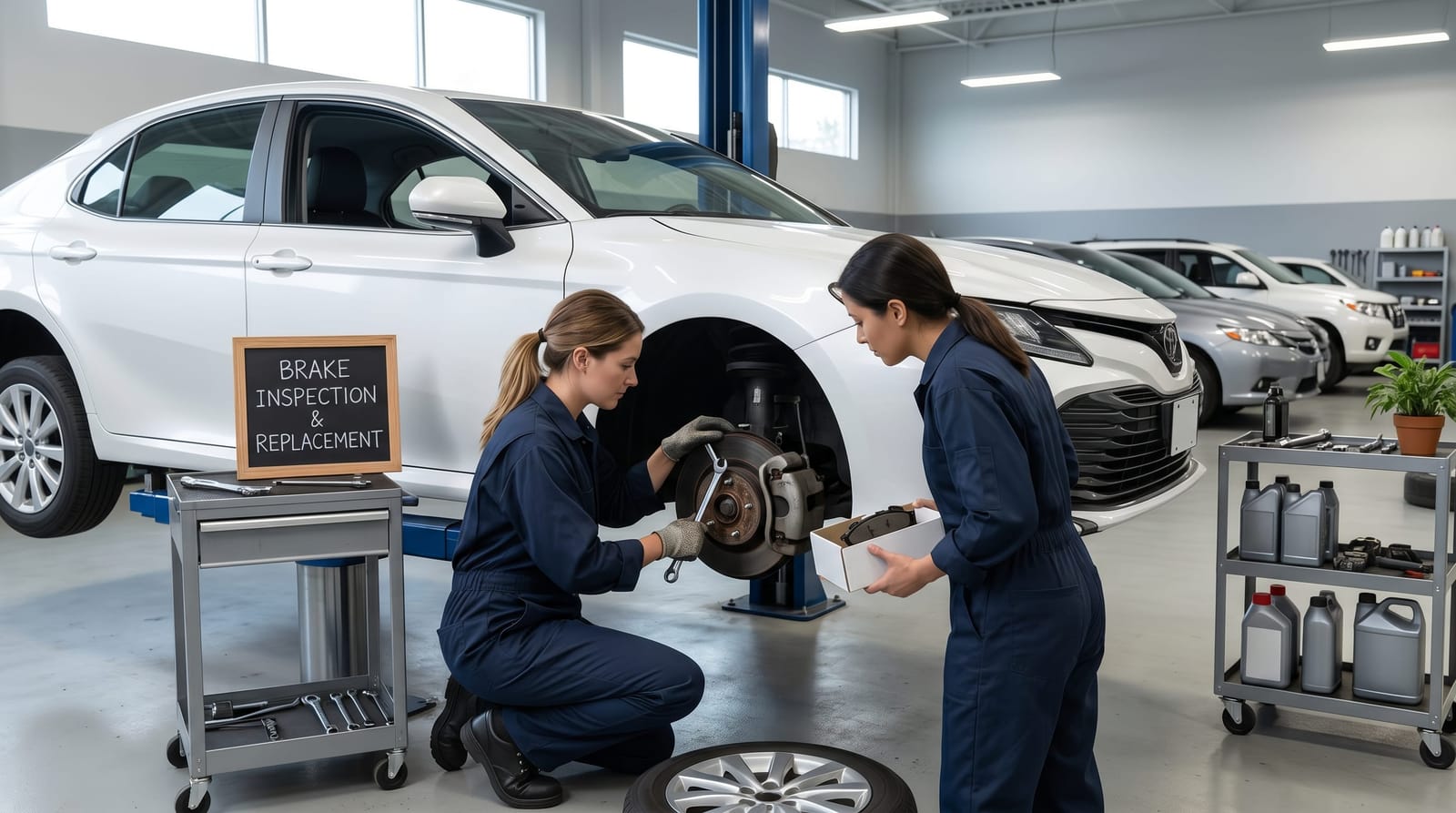
Your brakes are one of the most important safety systems on your vehicle, and knowing when the brake pads need attention can save you from costly repairs down the road. Recognizing the common brake pad replacement signs early gives you time to schedule service before a small maintenance item turns into a larger problem. This guide walks you through what to look for, what to listen for, and when it's time to bring your car in for a professional inspection.
What Are Brake Pads and Why Do They Wear Down?
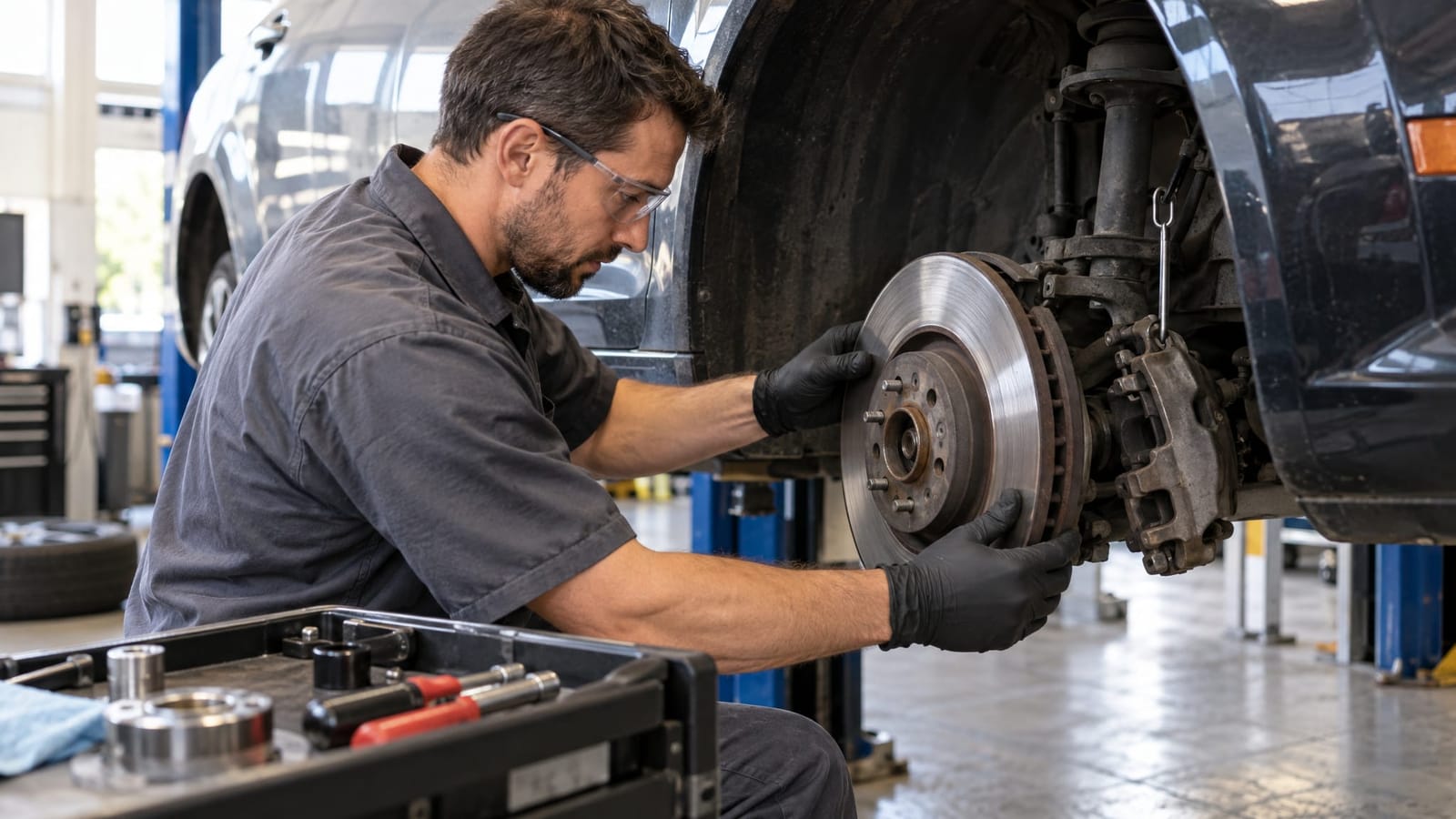
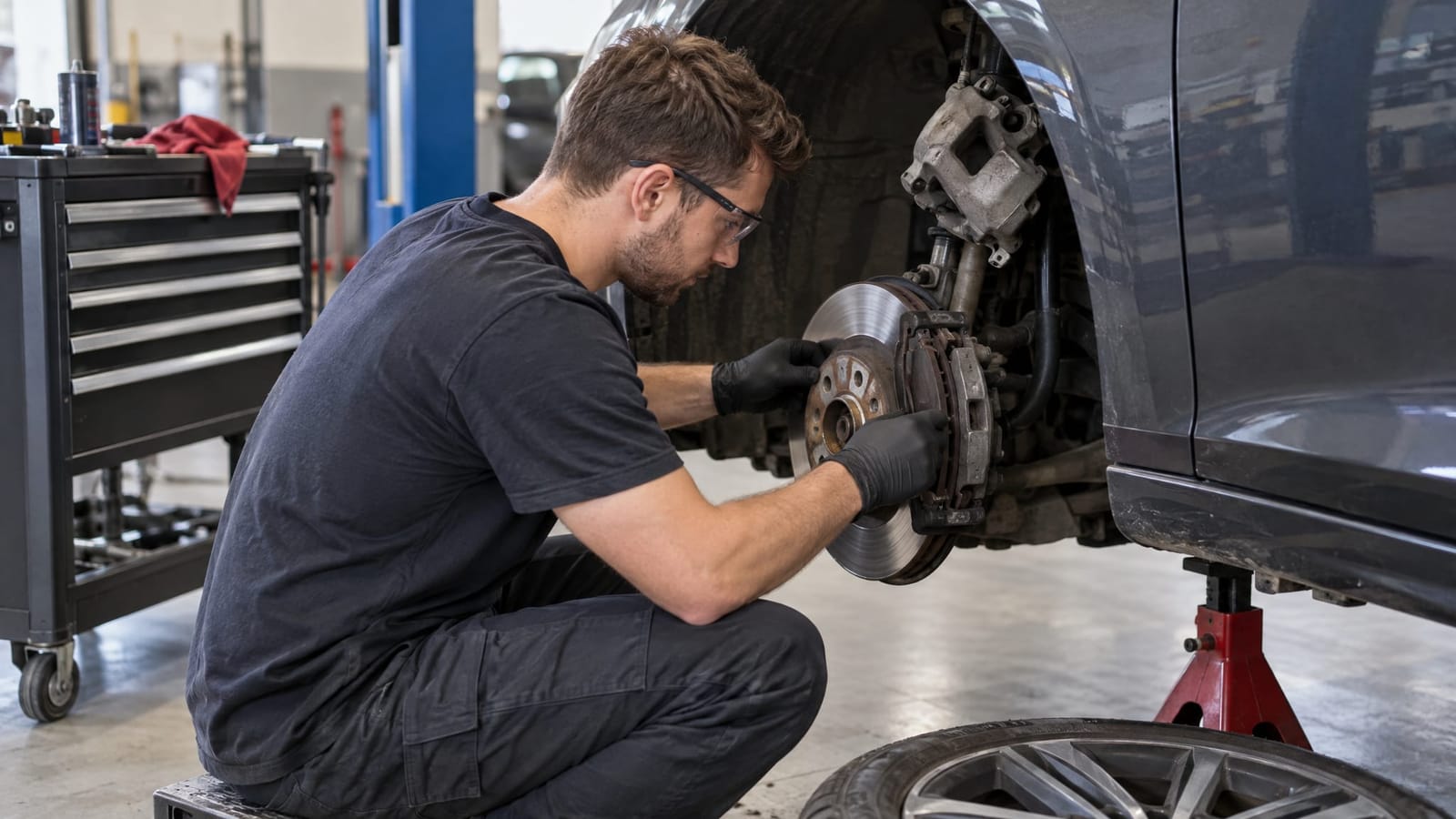
Brake pads are the friction components that press against your brake rotors to slow your vehicle. Every time you press the brake pedal, a small amount of material is worn away from the pad surface. This is completely normal: it's how the system is designed to work. Over time, however, that friction material gradually thins out until the pad can no longer do its job effectively.
Most new brake pads start with approximately 10 to 12 millimeters of friction material. Automotive technicians generally recommend replacing brake pads when they wear down to around 3/32 of an inch (roughly 2.4 millimeters) or less. At that point, the pad has very little material left to generate safe stopping power, and waiting longer increases the risk of damage to your rotors.
How quickly your pads wear depends on several factors, including your driving habits, the type of vehicle you drive, the quality of the brake pads installed, and conditions like stop-and-go city traffic versus highway driving. Drivers who frequently brake hard in heavy traffic will generally see pads wear faster than those who drive mostly on open roads.
Sounds That Tell You Something Is Wrong
Your vehicle is designed to communicate brake pad wear through sound, and learning to recognize those sounds is one of the most reliable ways to catch a problem early. Here are the most common noises associated with worn brake pads:
- Squealing or squeaking: A high-pitched squealing sound when you press the brakes is often caused by a small metal wear indicator built directly into the brake pad. When the pad wears thin enough, this indicator contacts the rotor and creates that noise on purpose: it's your vehicle's way of telling you it's time for an inspection.
- Grinding noise: A loud grinding or metal-on-metal sound is a more urgent warning. This typically means the brake pad material has worn away completely and the metal backing plate is now contacting the rotor directly. At this stage, the rotor is being damaged with every stop, which can significantly increase your repair costs.
- Chirping when the car moves: Light chirping that stops when you press the brakes can sometimes indicate surface rust on rotors, which is common after rain. However, if it continues or is accompanied by other symptoms, it's worth having a technician take a look.
Keep in mind that some higher-quality brake pads, particularly certain ceramic formulations, are designed to run quieter. If your pads don't squeal, that doesn't necessarily mean they're fine. That's why visual and professional inspections still matter even when everything sounds normal.
Physical Sensations You Should Pay Attention To
Worn brake pads don't only create sounds: they can also change how your vehicle feels when you stop. Watch for these physical warning signs:
- Vibration or pulsation in the pedal: If your brake pedal vibrates or pulses when you apply pressure, it often points to uneven pad wear or warped rotors. This sensation can also occur when brake pads have become glazed from heat.
- Soft or spongy pedal feel: A brake pedal that feels softer than usual or sinks lower toward the floor than it used to may indicate worn pads or a brake fluid issue. Either way, this warrants prompt attention.
- Vehicle pulling to one side: If your car drifts left or right when braking, one side may be wearing more unevenly than the other. This could be caused by uneven pad wear, a sticky caliper, or other brake system issues.
- Longer stopping distances: If you notice your vehicle takes more distance to come to a complete stop than it used to, reduced braking effectiveness may be the cause.
None of these sensations should be ignored or assumed to go away on their own. When braking feels different than normal, a professional inspection is the right next step.
Visual Inspection: What You Can Check Yourself
You don't need to be a mechanic to do a basic visual check on your brake pads. On most vehicles, you can see the brake pad through the wheel spokes without removing the tire. Here's what to look for:
- Look through the wheel spokes toward the brake assembly.
- Identify the shiny metal disc: that's the rotor. The brake pad will be pressed against it, clamped by the caliper (the housing that squeezes the pad).
- Look at the thickness of the pad material between the caliper and the rotor. If the pad appears to be less than about a quarter inch thick, it's time to schedule service.
Some vehicles also have a dashboard warning light connected to a brake pad sensor. Approximately 70% of newer vehicles include this feature. If a brake warning light appears on your dashboard, don't ignore it: schedule an inspection soon.
That said, a visual check from outside the wheel has its limits. A professional inspection allows a technician to measure pad thickness accurately, check rotor condition, inspect brake fluid, and evaluate the entire brake system, not just the pads.
How Often Should Brake Pads Be Inspected?
Brake pads don't wear on a perfectly predictable schedule, but most automotive professionals recommend having them inspected at least once a year or every 12,000 miles: whichever comes first. Many shops include a brake check as part of a routine tire rotation or oil change, which makes it easy to stay current without scheduling a separate appointment.
Owners of German vehicles like BMW, Mercedes-Benz, and Audi should be aware that these brands often use softer brake pad compounds that can wear faster than pads on domestic vehicles: sometimes lasting only 20,000 to 30,000 miles under typical driving conditions. If you drive a European vehicle, more frequent brake inspections are a smart habit.
If you're curious about what type of brake pad material is best for your specific vehicle, understanding the difference between ceramic and semi-metallic brake pads can help you and your service technician make the right choice for your driving style and vehicle type.
Frequently Asked Questions
How long do brake pads typically last?
Most brake pads last between 30,000 and 70,000 miles, but the range varies widely based on driving habits, vehicle weight, pad material, and traffic conditions. City driving with frequent stops tends to wear pads faster than highway driving. Your technician can give you a more accurate estimate based on your specific vehicle and driving history.
Can I drive with worn brake pads for a short time?
If your pads are showing signs of wear but still have some material left, you may be able to drive briefly before getting them replaced, but it's not something to put off. Once you hear grinding or your stopping distance increases noticeably, continuing to drive can damage your rotors, which makes the overall repair significantly more expensive. When in doubt, get it checked promptly.
Do all four brake pads wear out at the same rate?
Not necessarily. Front brake pads typically wear faster than rear pads because the front brakes handle a greater share of stopping force, often around 60 to 70 percent of your vehicle's braking load. This is why front pads generally need replacement more frequently. However, a full inspection should always check all four corners, since wear patterns can vary based on vehicle design and driving habits.
What happens if I ignore brake pad replacement signs too long?
When brake pads wear down completely, the metal backing plate contacts the rotor directly. This can score or warp the rotor surface, leading to the need for rotor resurfacing or full rotor replacement: a significantly more expensive repair than a standard brake pad replacement. Staying on top of brake inspections is one of the most effective ways to avoid unnecessary repair costs.
The Bottom Line on Brake Pad Replacement Signs
Knowing the common brake pad replacement signs, squealing sounds, grinding noises, pedal pulsation, pulling, and visible wear, gives you the awareness to act before a routine maintenance item becomes a bigger repair. Brakes are too important to your safety and your vehicle's long-term health to leave to guesswork. If anything feels or sounds off, scheduling a professional brake inspection is always the right move. At Rancho Express Lube, our ASE-certified technicians are here to give you an honest, straightforward assessment of your brake system so you can drive with confidence.