How Long Do Brake Repairs Take at a Professional Shop?
One of the most common questions vehicle owners ask before scheduling service is simple: how long is this going to take? When it comes to brake repair time at a professional shop, the honest answer is that it depends on what needs to be done, but for most standard brake jobs, you're looking at one to three hours. This post breaks down what affects that timeframe, what a typical appointment looks like, and how to plan your schedule so brake service fits into your day without unnecessary stress.
Typical Brake Repair Time at a Professional Shop
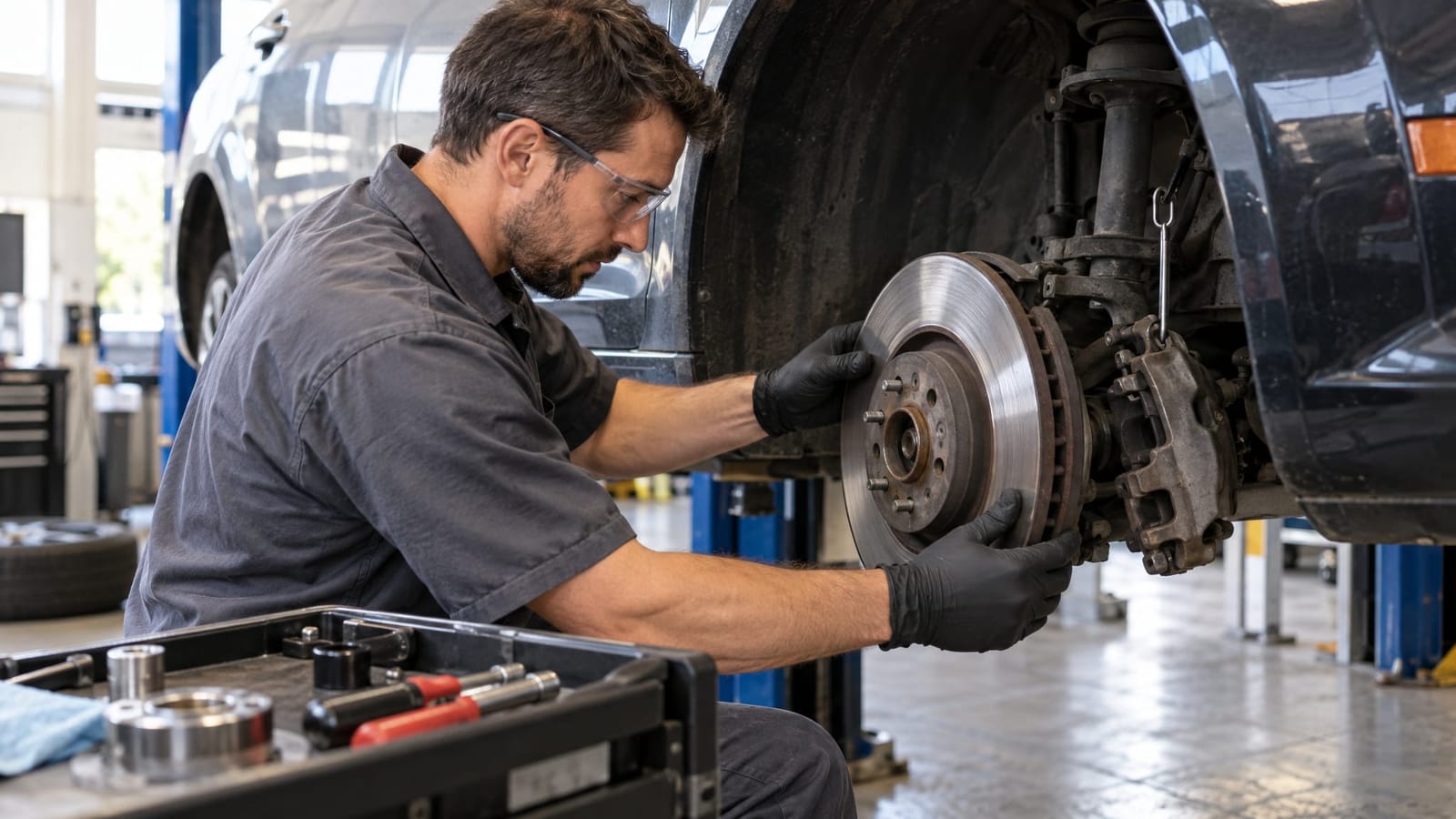
For the majority of brake repairs, a professional shop can complete the work within one to three hours. More specifically, here's how repair time generally breaks down by service type:
- Brake pad replacement only: Approximately 1 to 1.5 hours per axle
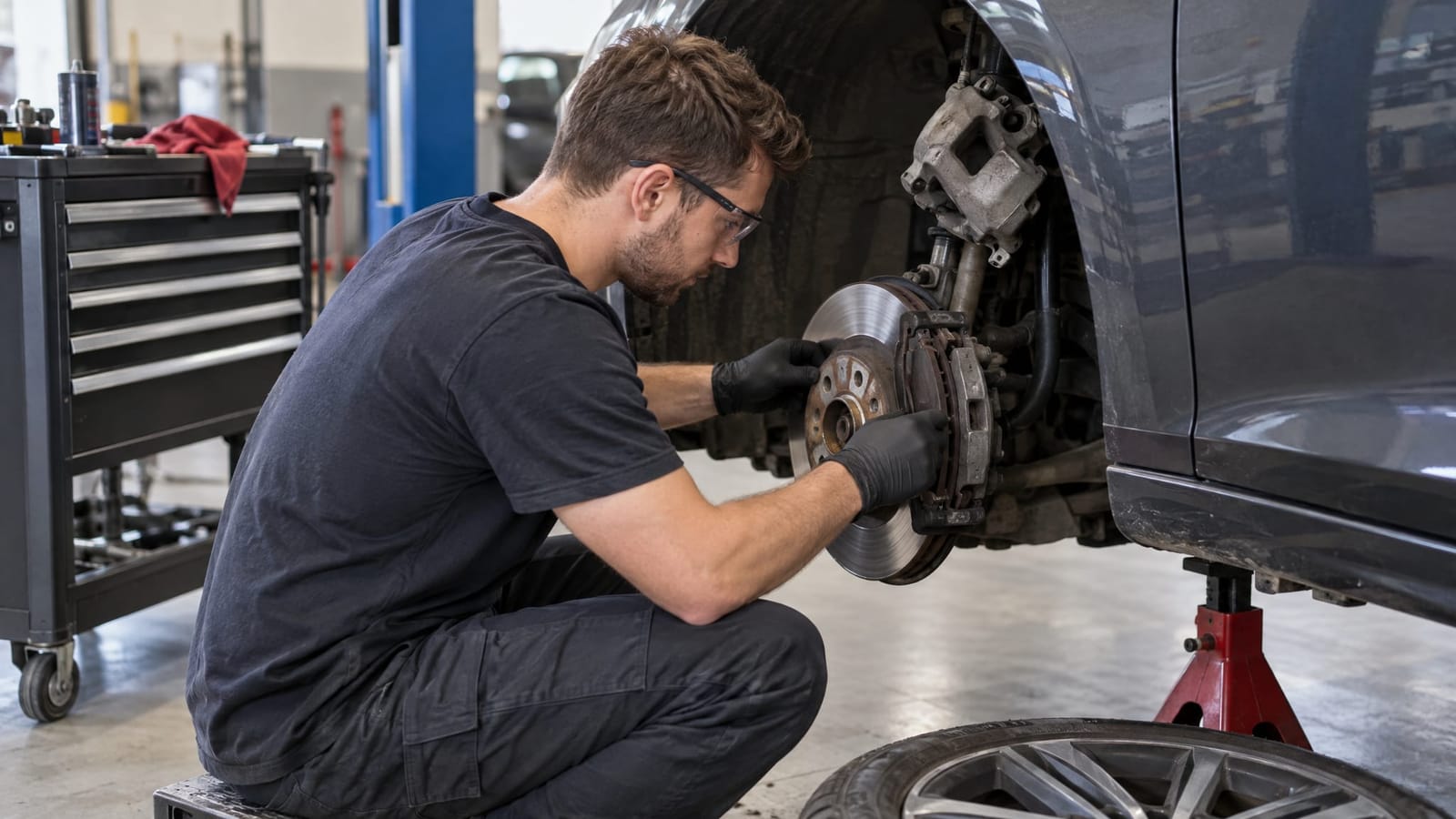
- Brake pads and rotors: Around 2 hours per axle
- Pads, rotors, and calipers: Roughly 2.5 hours per axle
- Full brake system service (pads, rotors, calipers, and brake hoses): Up to 3 hours or more
These are standard labor estimates used by professional shops. Keep in mind that if you're having all four wheels serviced at once, which is common for comprehensive brake maintenance, total shop time may be longer, though technicians often work efficiently by staging components across multiple wheels simultaneously.
A reputable shop will give you a time estimate before work begins, so you're never left guessing. If you're curious about what prompts a full brake service in the first place, understanding brake pad replacement signs can help you catch issues early before they require more extensive repairs.
What Factors Affect How Long Brake Repairs Take?
Brake repair time at a professional shop isn't one-size-fits-all. Several factors can shorten or extend your appointment, and it's helpful to understand them going in.
Extent of the Repair
Replacing just the front brake pads is a much faster job than replacing pads, rotors, and calipers on all four wheels. The more components involved, the more time a technician needs to complete the work properly and safely.
Vehicle Type and Accessibility
Some vehicles are engineered in ways that make brake components easier to access than others. Trucks, SUVs, and luxury vehicles sometimes require additional steps to reach brake hardware, which can add time to the job. This isn't a red flag: it's just a reflection of how differently vehicles are built.
Condition of Existing Parts
If brake hardware like caliper bolts or brake line fittings have corroded over time, a technician may need extra time to safely remove them without causing damage. In dry climates like the Inland Empire, this is less common than in areas with road salt, but it's still worth factoring into expectations for older vehicles.
Parts Availability
If a shop has your vehicle's specific parts in stock, the job moves quickly. If a less common part needs to be ordered, there may be a delay. A professional shop will let you know upfront whether parts are on hand or need to be sourced, so you can plan accordingly.
Brake Pad Material
The type of brake pads being installed can also be a consideration. For example, understanding the differences between ceramic vs semi metallic brake pads matters not just for performance but for compatibility with your vehicle, which a technician will confirm before installation.
How to Plan Your Day Around a Brake Service Appointment
For busy professionals and vehicle owners with full schedules, a little advance planning makes brake service far less disruptive. Here are a few practical ways to make the process smoother:
- Schedule early in the day. Morning appointments tend to move fastest because the shop is starting fresh. You're less likely to experience delays from earlier jobs running long.
- Ask for a time estimate when you book. A good shop will tell you upfront whether your service is a one-hour job or closer to three. This lets you arrange a ride, work remotely nearby, or simply plan what to do while you wait.
- Confirm parts availability in advance. When you call to schedule, mention your vehicle's year, make, and model. This allows the shop to confirm parts are ready so your appointment doesn't hit unexpected delays.
- Be available by phone during the service. Occasionally, a technician discovers additional wear during the repair, such as a brake hose showing signs of age or hardware that needs replacing. Staying reachable means the shop can quickly get your approval rather than pausing work while they try to reach you.
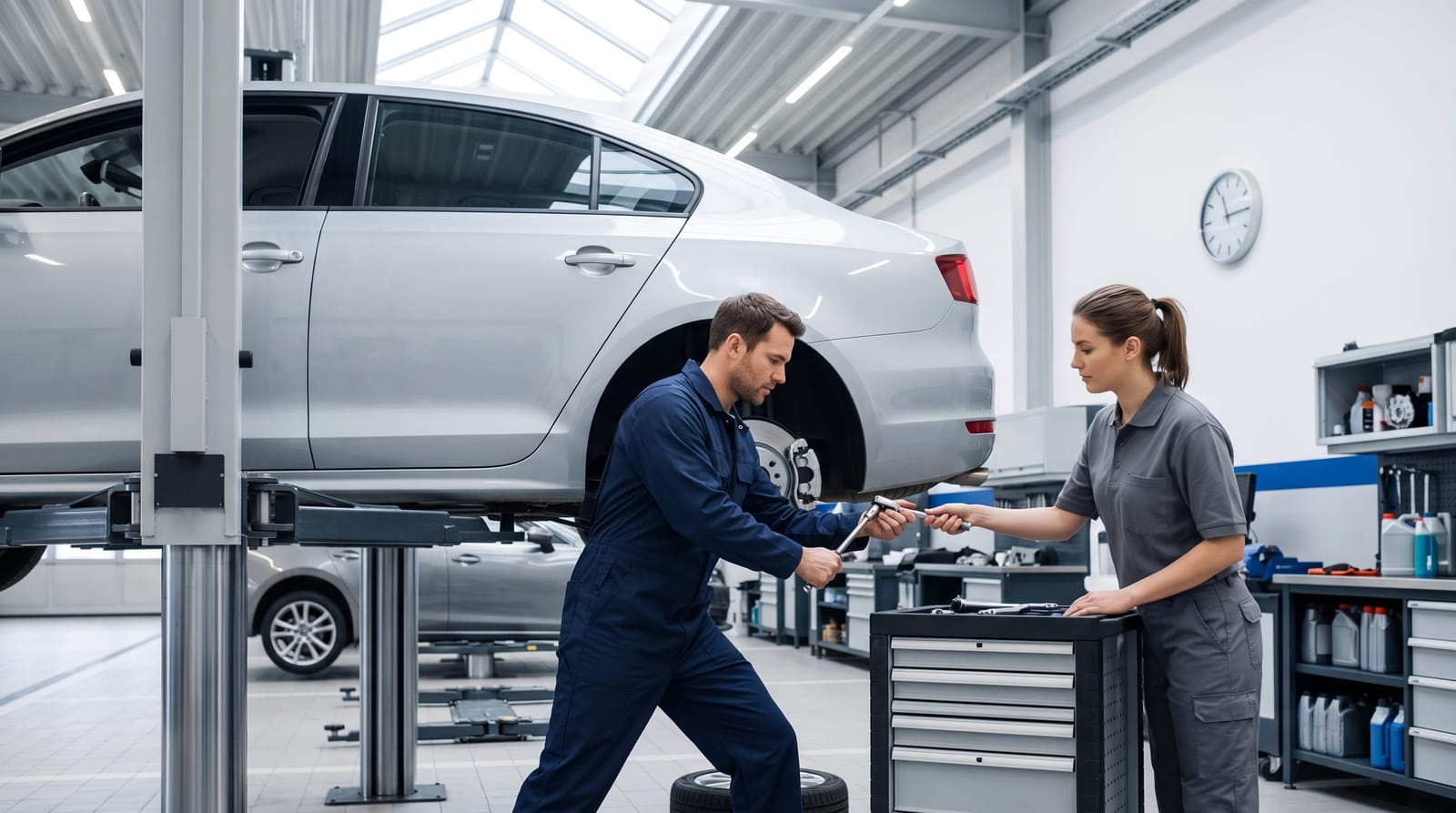
Most professional shops also offer waiting areas with comfortable seating, Wi-Fi, and coffee, making a two-hour brake job a reasonable use of a morning rather than a major inconvenience.
Is Same-Day Brake Service Possible?
In many cases, yes. For standard brake repairs, pad replacement, rotor resurfacing or replacement, or a straightforward caliper swap, same-day service is realistic at a well-staffed shop that carries common parts in inventory. Brake repair time at a professional shop is generally designed to fit within a half-day window for most vehicles.
That said, if you're driving a less common vehicle, need parts ordered, or require more extensive repairs across all four wheels, a next-day or scheduled appointment will give the shop time to prepare properly. Rushing a brake job is never in your interest: accurate, thorough work matters far more than speed when it comes to your vehicle's safety systems.
If your schedule is tight, simply let the service advisor know. A reputable shop will do their best to work with your availability while being honest about what's realistic.
Frequently Asked Questions
How long does a standard brake pad replacement take at a shop?
A standard brake pad replacement typically takes about one to one and a half hours per axle at a professional shop. If you're replacing pads on both the front and rear axles, plan for closer to two to three hours total, depending on vehicle type and how the work is staged.
Will I need to leave my car at the shop all day for brake repairs?
For most brake repairs, you won't need to leave your vehicle all day. Standard brake jobs are completed within one to three hours. However, if additional issues are discovered during the inspection or parts need to be ordered, the shop will communicate that to you before proceeding so you can decide how to plan your time.
Does brake repair time differ for trucks or SUVs compared to sedans?
It can, slightly. Larger vehicles sometimes have more complex brake setups or heavier-duty hardware that takes a bit more time to service correctly. The difference is usually modest, often 30 to 60 additional minutes, and a shop familiar with your vehicle type will factor this into their estimate when you schedule.
How do I know if my brakes need repair before I book an appointment?
Common signs include squealing or grinding noises when stopping, a soft or spongy brake pedal, the vehicle pulling to one side during braking, or a longer stopping distance than usual. If you're noticing any of these, it's worth scheduling an inspection soon. A technician can assess what needs attention and give you an accurate estimate for both cost and time.
Planning Around Brake Service Is Easier Than Most People Expect
Brake repair time at a professional shop is typically more manageable than many vehicle owners anticipate. Most standard repairs wrap up within one to three hours, and with a little advance planning, booking early, confirming parts availability, and staying reachable, the process fits comfortably into a busy day. Keeping up with brake maintenance is a straightforward part of responsible vehicle ownership, and a trusted shop will make sure the experience is efficient, transparent, and stress-free from start to finish.