How Much Does Professional Tire Installation Cost?

When it's time for new tires, one of the first questions most vehicle owners ask is a simple one: what's this going to cost me? Tire installation cost for professional service can vary more than you might expect, and understanding what you're actually paying for helps you make a smarter decision. This post breaks down typical pricing, what's included at different price points, and how to evaluate whether the cheapest option is really the best value for your vehicle.
Typical Price Ranges for Professional Tire Installation
Professional tire installation cost generally falls somewhere between $40 and $100 per tire at most reputable automotive service shops. That range exists because not all installations are the same: the price reflects the equipment used, the services bundled in, and the expertise of the technicians doing the work.
Here's a general breakdown of what you might encounter:
- Budget retail options (Walmart, warehouse clubs): Installation-only service can run as low as $15 per tire. This covers the basic mount but may not include balancing, disposal of your old tires, or a valve stem replacement.
- Mobile installation services: Providers like Tire Rack's mobile installation service start at around $40 per tire, offering convenience but varying in what's included depending on location.
- Full-service automotive shops: Most professional shops charge $40 to $100 per tire for a complete service package that typically includes mounting, balancing, valve stem replacement, and proper torquing of lug nuts.
A full set of four tires at a professional shop commonly runs between $160 and $400 for installation alone, not counting the tires themselves. That number is worth keeping in mind when comparing options.
What's Actually Included in Professional Tire Installation?
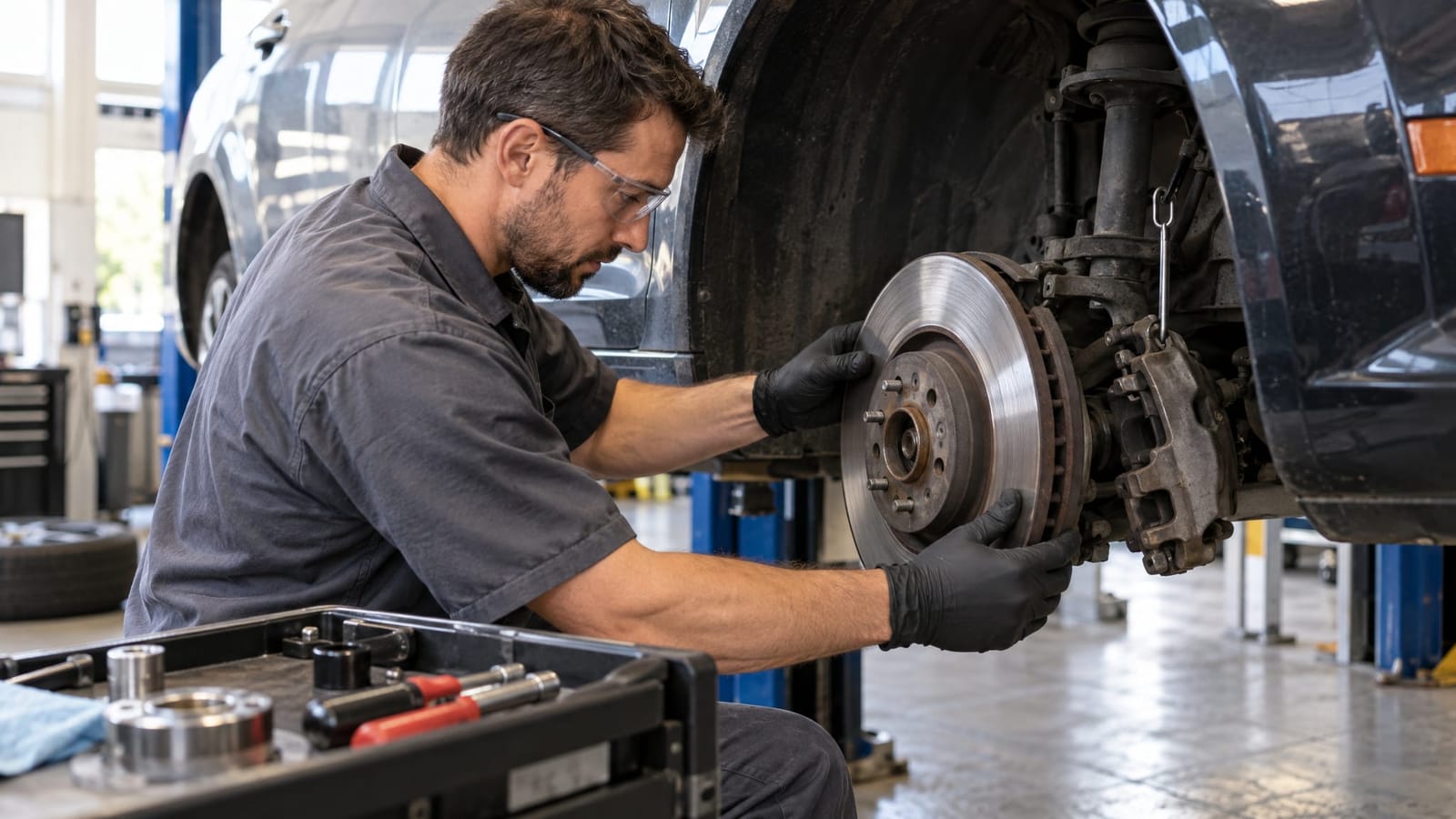
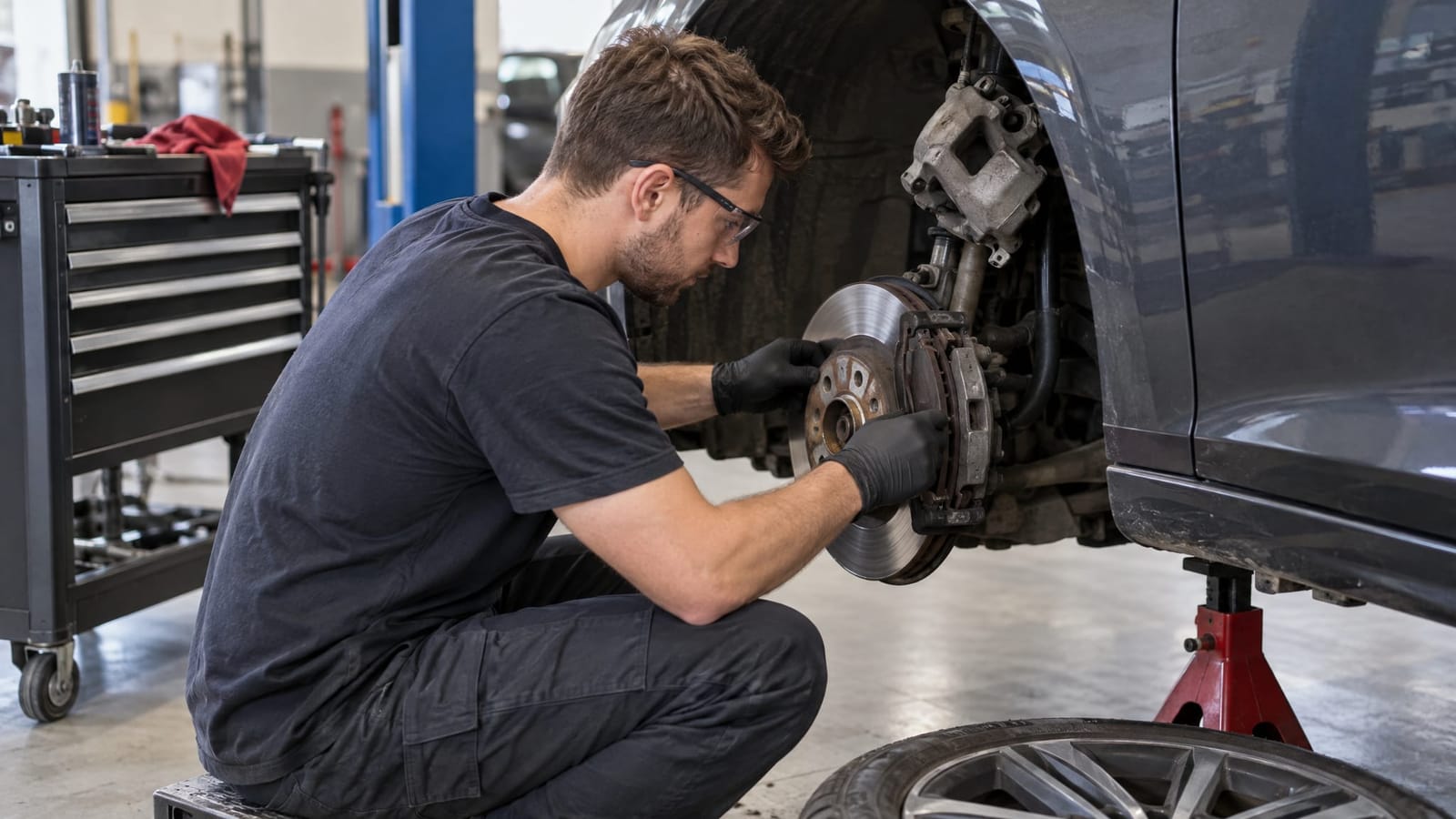
This is where the real difference lies. When you see a $15 per tire price tag, it's worth asking what that price actually covers. At a full-service automotive shop, professional tire installation cost typically includes several steps that work together to keep your vehicle safe and riding smoothly.
Mounting
This is the physical process of removing your old tire from the wheel rim and seating the new tire onto it. It requires proper equipment to avoid damaging the wheel or the tire bead: the edge that creates an airtight seal against the rim.
Balancing
Once the tire is mounted, it needs to be balanced. This involves placing small weights on the wheel to ensure even weight distribution as the tire spins. Understanding the difference between tire mounting vs balancing is helpful here: they're two separate steps that both matter for ride quality and tire longevity. Skipping balancing can lead to vibration and uneven wear over time.
Valve Stem Replacement
Valve stems are small but important: they're the part you press to add air. They can dry out and crack over time, especially rubber stems. A professional installation usually includes replacing these as part of the service.
TPMS Service
Many newer vehicles have tire pressure monitoring sensors (TPMS) built into the wheels. A professional shop will properly service or reset these sensors during installation, which is something a basic installation service may skip.
Torque and Disposal
Lug nuts need to be tightened to a specific torque specification, not just "tight." Proper torquing prevents issues down the road. Most professional shops also handle responsible disposal of your old tires, which is included in the service fee.
Discount Installation vs. Professional Service: Is There a Real Difference?
It's a fair question. If you can get tires installed for $15 each at a large retailer, why would you pay more at a professional shop?
The honest answer is that it depends on your vehicle and what you value. For a basic commuter car where you're primarily focused on keeping costs low, a budget retailer might get the job done adequately. However, there are a few things worth considering:
- Quality of equipment: Professional automotive shops invest in precision mounting and balancing equipment. Older or lower-grade machines can sometimes cause minor damage to alloy wheels or result in less accurate balancing.
- Staff experience: At a dedicated automotive shop, the technician installing your tires works on vehicles all day. This matters for things like TPMS handling, torque specs, and catching anything unusual about your wheels or rims.
- Bundled services: A professional shop will often flag if your wheels are showing uneven wear that suggests an alignment issue, or if your tires are due for rotation. That kind of oversight has real value for long-term vehicle health.
- Time and convenience: Many professional shops offer faster turnaround and a more predictable service experience, which matters when your schedule is tight.
If you're unsure whether your current tires even need replacing yet, reviewing the signs that tell you when to replace your tires is a good starting point before you commit to any installation cost.
Other Costs to Budget For
Installation is one part of the equation, but there are a few other potential costs worth knowing about upfront so nothing surprises you at the register:
- Wheel alignment: Installation itself doesn't correct alignment issues. If your vehicle has been pulling to one side or your old tires showed uneven wear, an alignment check ($60-$100 typically) may be recommended alongside new tire installation.
- Tire rotation (future visits): Most shops charge $20-$50 for a rotation, though some include it with other services. Rotating tires regularly extends their life significantly.
- Road hazard coverage: Some shops offer optional road hazard warranties on tires for an added fee. Whether this makes sense depends on your driving habits and local road conditions.
- Old tire disposal fees: If not included in the installation price, disposal fees are usually $2-$5 per tire.
Knowing these line items in advance makes it easier to budget accurately and compare quotes from different providers on equal footing.
Frequently Asked Questions
Is tire balancing included in the installation price?
At most professional automotive shops, yes: balancing is bundled into the installation price. However, at budget retail locations, it may be a separate charge. Always ask before you commit so you're comparing complete service costs, not just the base installation fee.
How long does professional tire installation take?
For a full set of four tires, professional installation at a well-equipped shop typically takes 45 minutes to an hour and a half. The time can vary depending on the shop's current workload, whether any additional services like alignment are needed, and the complexity of your vehicle's wheel setup.
Do I need an appointment for tire installation, or can I walk in?
Many automotive shops accept walk-ins for tire installation, though calling ahead or scheduling an appointment is a good idea, especially if you're bringing four tires and want to minimize your wait time. Some shops also appreciate the heads-up to confirm they have the right equipment for your vehicle.
Is it okay to only replace two tires at a time?
In many situations, yes: particularly if two of your tires are still in good condition. A professional shop can help you assess the tread depth and condition of your remaining tires to determine whether replacing all four makes more sense. The new tires are generally installed on the rear axle to maintain handling stability.
The Bottom Line on Tire Installation Cost
Professional tire installation cost ranges from about $40 to $100 per tire at a full-service shop, and that price reflects a complete job: mounting, balancing, valve stems, proper torquing, and the expertise to do it right. Cheaper options exist, but it's worth understanding exactly what you're getting and what might be left out. For most vehicle owners, paying for professional installation is a reasonable investment in ride quality, tire longevity, and peace of mind. If you want to understand the full picture of keeping your tires in good shape, our complete tire service guide covers everything from installation to long-term maintenance in one place.