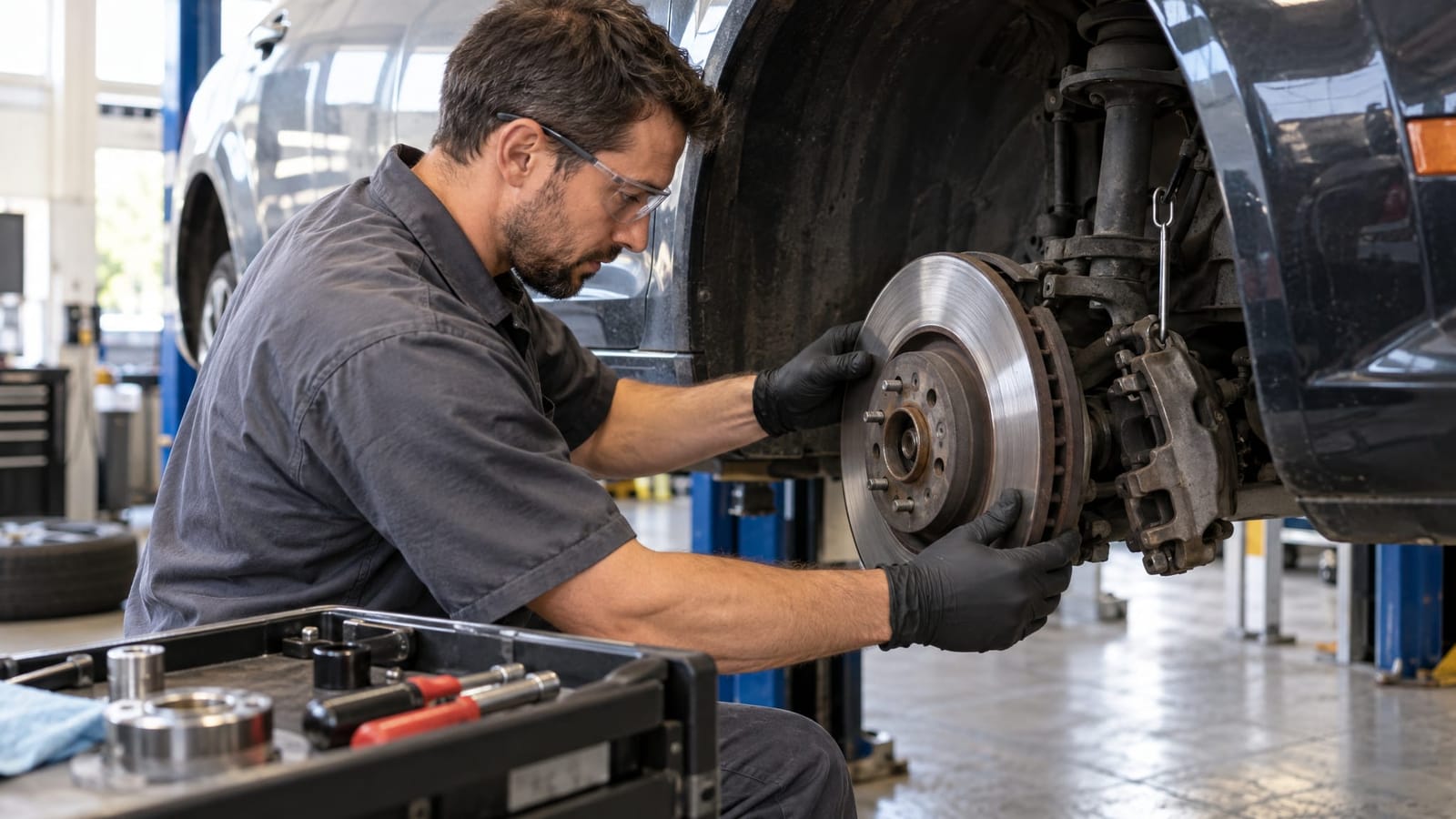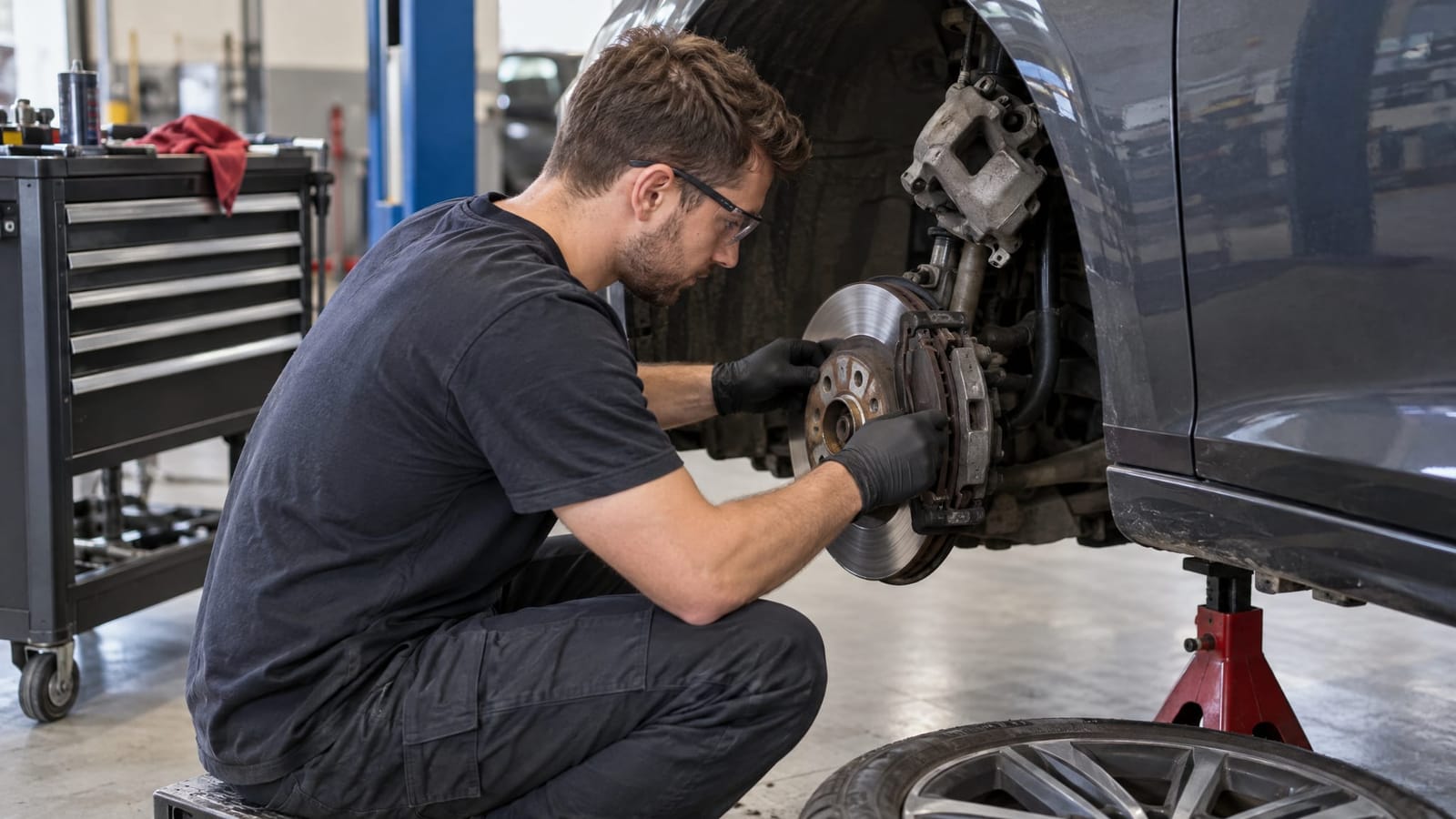
Tire Installation Service: Professional Mounting and Balancing
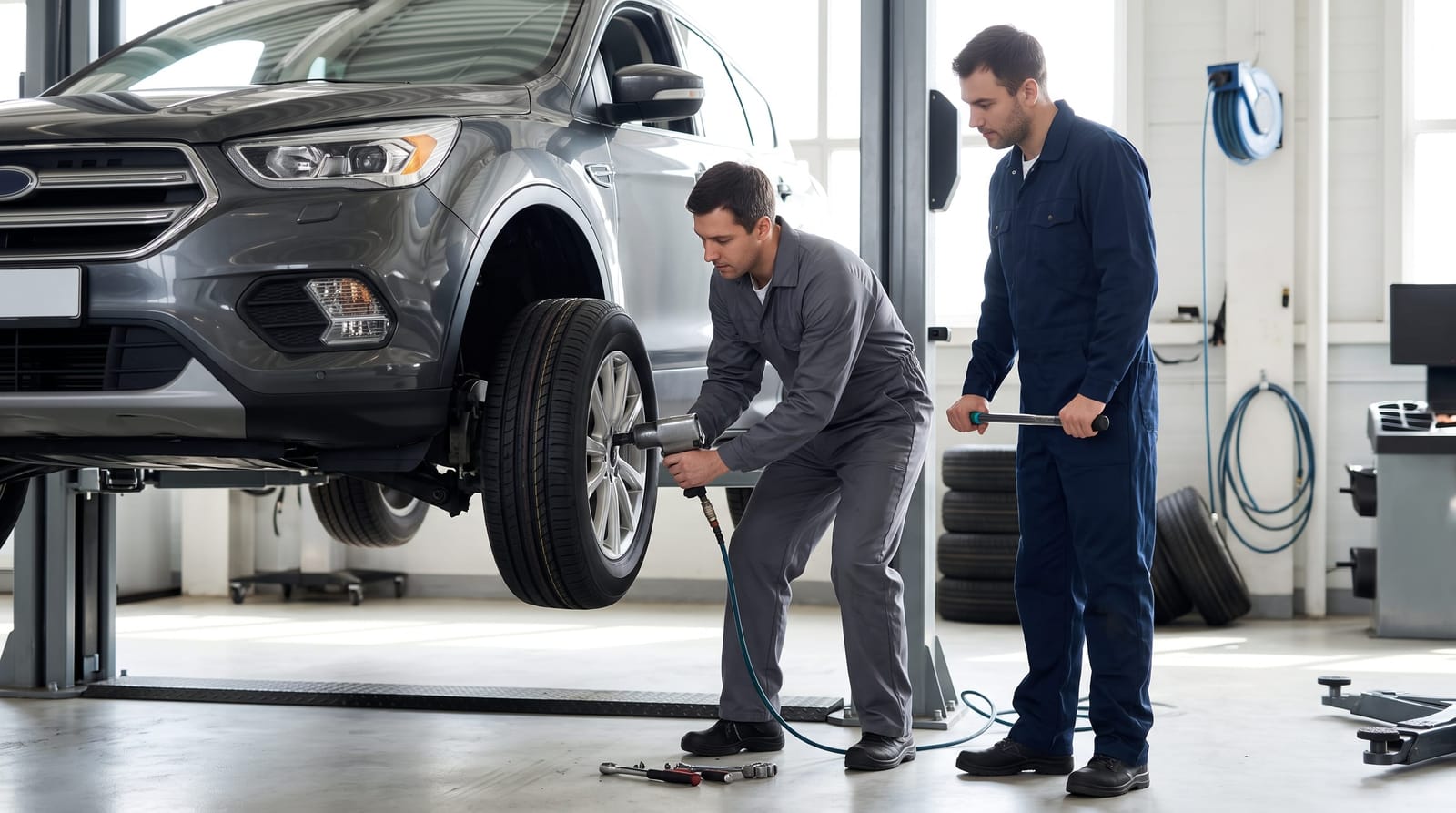
When it comes to keeping your vehicle safe and performing well, few services matter more than a proper tire installation. As part of our complete tire service guide, this post takes a closer look at what actually happens during a professional tire installation service, from mounting and balancing to valve stem inspection and final quality checks. Whether you're replacing a single worn tire or putting a full new set on your vehicle, understanding what a quality installation involves helps you make better decisions and know what to expect when you pull into the shop. This guide walks through each step of the process in plain terms, so you feel informed and confident no matter what your tire needs look like.
What a Professional Tire Installation Service Actually Includes
A lot of vehicle owners assume that tire installation service just means swapping one tire for another. In reality, a thorough installation involves several coordinated steps, and skipping any one of them can affect how the tire rides, wears, and performs over time.
A complete professional tire installation typically includes:
- Removing the old tire from the wheel (dismounting)
- Inspecting the wheel for damage, corrosion, or debris
- Inspecting and replacing the valve stem if needed
- Mounting the new tire onto the wheel using a tire mounting machine
- Inflating the tire to the vehicle manufacturer's recommended PSI
- Balancing the tire and wheel assembly using a computerized balancing machine
- Installing the wheel back onto the vehicle and torquing the lug nuts to spec
- Disposing of old tires responsibly
According to industry data, approximately 85% of tire-related vehicle handling problems are caused by improper mounting or balancing during installation, not by the tires themselves. That's why the process behind a tire installation service matters just as much as the tires you choose.
At Rancho Express Lube, every tire installation follows this complete process. We don't cut corners on steps that protect your investment and your safety on the road.
Tire Mounting: Getting the Fit Right From the Start
Mounting is the process of seating a tire onto a wheel rim. It sounds straightforward, but it requires the right equipment and attention to detail to do correctly without damaging the tire or wheel.
How Mounting Works
Technicians use a tire mounting machine to guide the tire bead, the inner edge of the tire, onto the rim safely. A lubricant is applied to the bead to reduce friction and help the tire seat evenly. Once the tire is on the rim, it's inflated to seat the bead fully against the rim flange. You'll often hear a loud pop during this step: that's the bead snapping into position, which is completely normal.
Why Mounting Quality Matters
Improper mounting can cause uneven bead seating, which leads to air pressure loss, vibration, or irregular tire wear. For vehicles with alloy or specialty wheels, common on newer cars and trucks, careless mounting can also scratch or chip the wheel finish. Research from the National Highway Traffic Safety Administration (NHTSA) estimates that underinflated or improperly seated tires contribute to roughly 11,000 tire-related crashes in the U.S. each year. Proper mounting is one of the most direct ways to prevent those issues before they start.
If you've purchased tires elsewhere and want them installed locally, you can install customer purchased tires at our shop: we mount and balance tires from any source as long as they're the correct size and rating for your vehicle.
Wheel Balancing: The Step That Prevents Vibration and Uneven Wear
After mounting, every tire and wheel assembly needs to be balanced before it goes back on the vehicle. Balancing corrects for small weight variations in the tire and wheel that, even at just a few grams, can cause noticeable vibration at highway speeds.
How Computerized Balancing Works
The mounted tire is placed on a computerized spin balancing machine. The machine spins the assembly at speed and measures where the weight is distributed. It identifies exactly where and how much weight needs to be added to bring the assembly into balance. Small wheel weights: typically 0.25 oz to 1 oz each: are then applied to the inner or outer rim in the precise locations the machine identifies.
Static vs. Dynamic Balancing
Modern shops use dynamic balancing, which accounts for weight variation in two planes, side to side and front to back, rather than just one. This is the standard for passenger vehicles and is significantly more accurate than older static balancing methods. Static balancing only measures imbalance in one plane, which means it can miss the kind of wobble that shows up at 60 mph on the highway.
Studies show that a wheel imbalance of just 1 ounce at 60 mph creates the equivalent of repeatedly hitting the road surface with a 1-pound hammer once per tire revolution: roughly 800 times per mile. Over time, that causes wear on tires, suspension components, and steering parts. Proper balancing at installation is a straightforward way to protect all of those systems. To understand how mounting and balancing work together as distinct steps, take a look at tire mounting vs balancing explained in more detail.
Valve Stem Service: A Small Part With a Big Impact
Valve stems are the small rubber or metal fittings that allow you to inflate your tires and check air pressure. They're easy to overlook, but they're a critical part of maintaining proper tire pressure over the life of the tire.
Why Valve Stems Should Be Inspected at Every Installation
Rubber valve stems degrade over time: they become brittle, crack, and can develop slow leaks that cause tire pressure to drop gradually. Since a new tire is expected to last anywhere from 40,000 to 70,000 miles depending on type and usage, installing a new tire on an old, compromised valve stem doesn't make sense. Studies indicate that up to 25% of slow tire pressure loss is caused by faulty valve stems rather than punctures or bead seal issues.
When to Replace Valve Stems
As a general guideline, rubber valve stems should be replaced every time new tires are installed. Metal valve stems, common on vehicles with TPMS (Tire Pressure Monitoring System) sensors, should be inspected and the sealing components replaced to prevent corrosion-related leaks. For a detailed breakdown of this topic, our post on replace valve stems new tires covers everything you need to know about when and why it matters.
At Rancho Express Lube, we inspect valve stems as a standard part of our tire installation service and recommend replacement when there's any sign of wear, cracking, or age-related degradation.
Torque and Final Installation: The Details That Complete the Job
Once the tire is mounted, balanced, and the valve stem is confirmed serviceable, the wheel goes back on the vehicle. This step is more precise than it might appear.
Proper Lug Nut Torque
Lug nuts need to be tightened to the vehicle manufacturer's torque specification, not just "tight." Overtightening can warp brake rotors and make future tire removal difficult or dangerous. Undertightening can allow a wheel to loosen over time, which is a serious safety issue. Each vehicle has a specific torque spec (commonly between 80 and 120 foot-pounds for passenger vehicles), and professional shops use a torque wrench or torque stick to hit that number accurately rather than relying on an impact gun alone.
Post-Installation Pressure Check
After installation, tire pressure is verified against the placard in your driver's door jamb, not a generic number. Many vehicles have different recommended pressures for front and rear tires, and some require specific adjustments for load or towing. Getting pressure right at installation sets the tire up for even wear from the first mile.
If you're not sure whether your current tires actually need replacing before going through the full installation process, our guide on when to replace tires signs will help you evaluate tread depth, wear patterns, and age-related factors.
What to Expect From Tire Installation Costs and What's Included
Tire installation service pricing varies depending on the shop, the type of vehicle, and what's included. Understanding what you're actually paying for helps you compare options fairly.
Most professional tire installation services charge on a per-tire basis, with full-service installations typically ranging from $15 to $45 per tire depending on tire size and wheel type. This generally covers mounting, balancing, valve stem inspection, inflation, and disposal of the old tire. Some shops bundle additional services like a courtesy tire rotation or TPMS reset into their installation package.
It's worth asking specifically what's included in the quoted price, whether disposal fees are built in, whether valve stems are replaced as standard, and whether the quote covers balancing. A lower per-tire price that excludes balancing isn't necessarily a better deal. For a more complete look at what affects the total cost of professional installation, see our breakdown of tire installation cost professional to understand what's worth paying for and what's optional.
Related Topics Worth Exploring
Professional tire installation connects to several related service questions that vehicle owners commonly ask. Understanding tire wear indicators and knowing exactly when tires need replacing helps you plan installations before a tire becomes an emergency. Knowing the difference between mounting and balancing helps you ask better questions at the shop. If you've found a good deal on tires online, understanding how bring-your-own-tire installations work lets you take advantage of that without sacrificing installation quality. And getting familiar with valve stem service ensures a complete, long-lasting installation rather than one that develops a slow leak within the first year.
Each of these topics connects directly to the quality of your tire installation service experience, and to how well your tires perform over the miles ahead.
Getting Professional Tire Installation Right the First Time
A tire installation service that's done properly, with correct mounting, accurate balancing, valve stem attention, and precise torque, gives your tires the best possible start. It reduces vibration, promotes even tread wear, and helps your tires reach their full lifespan. Skipping steps or choosing installation based on price alone can cost more in the long run through premature wear, handling issues, or air pressure problems that develop over time.
At Rancho Express Lube in Claremont, we treat every tire installation as a complete service, not just swapping rubber. If you're ready to schedule a tire installation, have questions about a specific tire size or vehicle, or want to bring in tires you've already purchased, give us a call or stop by. We're here to make the process straightforward, honest, and done right.