What Does a Multi-Point Inspection Actually Check?

If you've ever brought your car in for an oil change and the service advisor mentioned a complimentary multi-point inspection, you may have wondered what that actually means. What are they looking at? How thorough is it? And is it really useful? These are fair questions, and you deserve a straight answer. A multi-point inspection is one of the most practical tools in any preventative maintenance routine, and understanding what it covers helps you make smarter decisions about your vehicle's care.
What Is a Multi-Point Inspection (And What It Isn't)
A multi-point inspection is a structured visual and hands-on review of your vehicle's key systems and components. Technicians work through a standardized checklist, typically covering anywhere from 20 to 50 individual items depending on the shop and the vehicle, and document the condition of each one.
It's important to understand what a multi-point inspection is not: it does not include diagnostic testing. That means a technician isn't plugging in a scan tool to pull trouble codes or running electrical load tests on your battery. Instead, the inspection focuses on observable conditions: things a trained eye can assess through measurement, visual review, and physical checks. Think of it as a health snapshot of your vehicle rather than a deep medical workup.
This distinction matters because it sets realistic expectations. A multi-point inspection helps identify components showing wear or potential concern, but any diagnosis of a specific problem requires additional troubleshooting. That said, catching early warning signs through regular inspections is exactly how preventative maintenance is supposed to work, and it's far better than waiting until something fails.
The Core Systems a Multi-Point Inspection Covers
While the exact checklist can vary slightly from shop to shop, most thorough multi-point inspections examine the following areas:
Fluid Levels and Condition
Technicians check and visually assess all major fluids, including engine oil, coolant, brake fluid, power steering fluid, transmission fluid, and windshield washer fluid. They're looking at both the level and the general condition, for example, brake fluid that has become dark or contaminated may indicate it's time for a flush, even if the level looks fine. Most manufacturers recommend replacing brake fluid every 2 years or 24,000 miles, though many drivers don't realize this until a technician points it out during an inspection.
Brakes
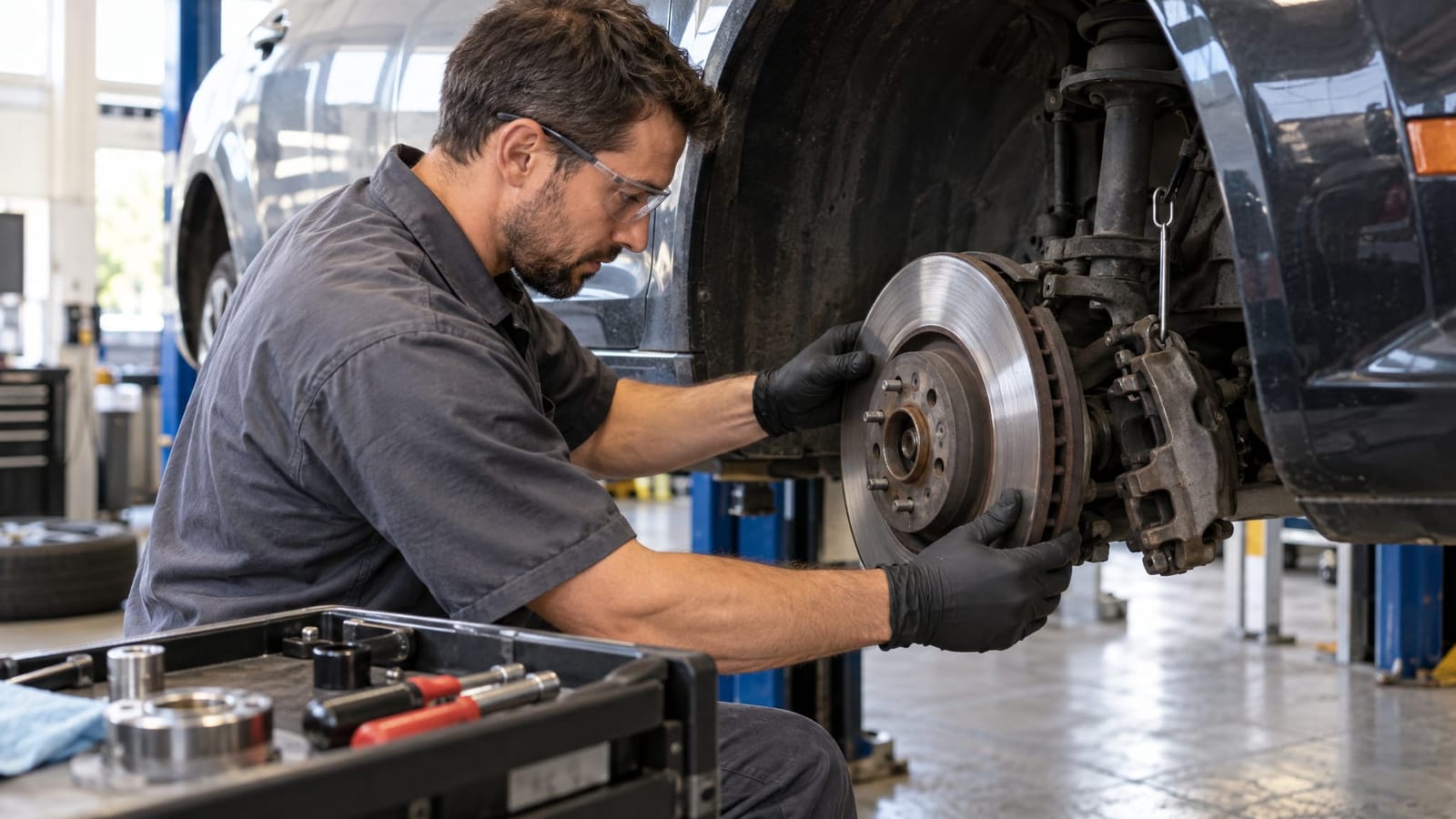
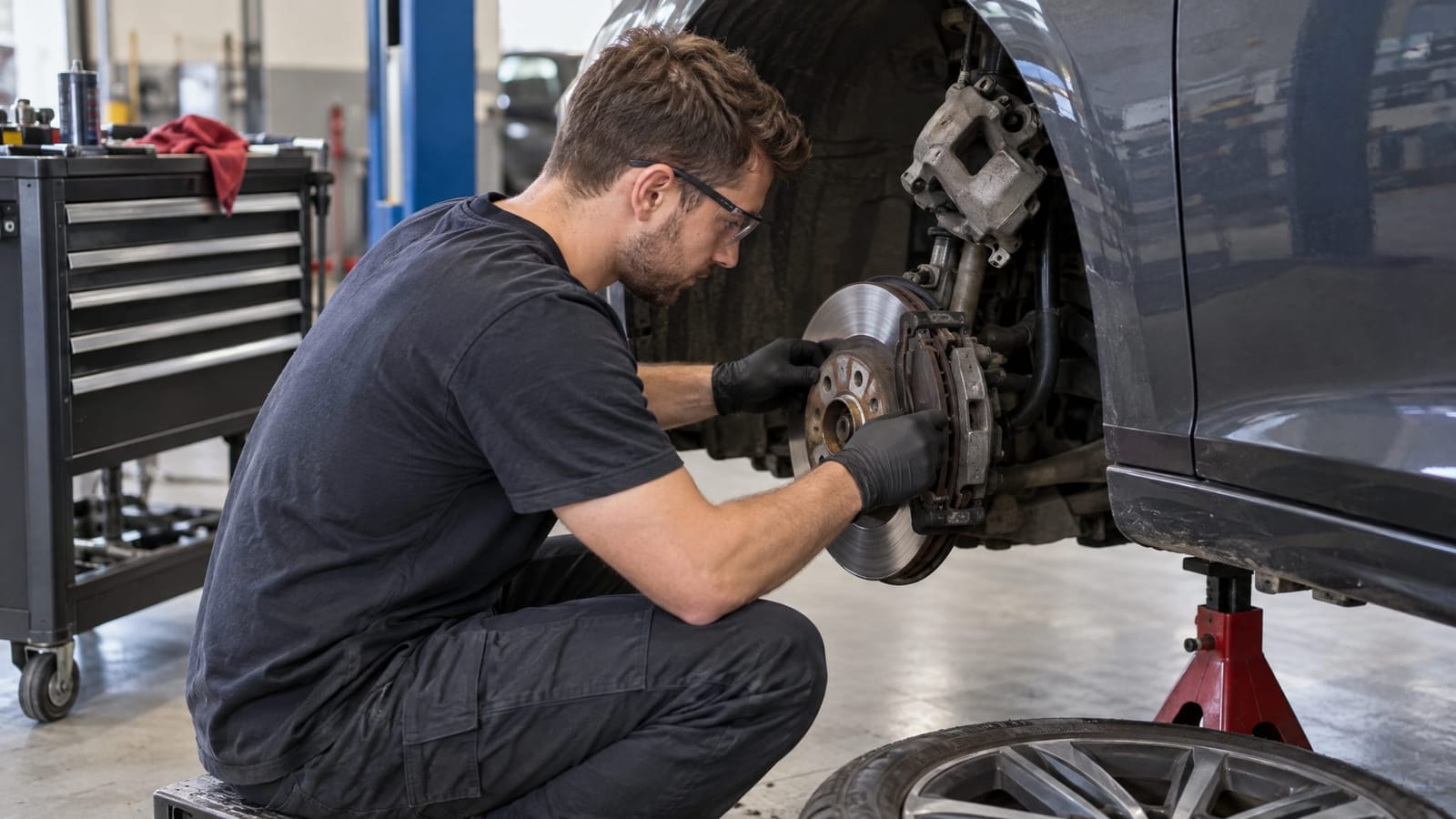
Brake pad thickness is one of the most important things measured during an inspection. Most pads start at around 10-12mm of usable material. Technicians typically flag pads at 4mm or below as needing attention, and anything at or under 2mm is considered worn-out and in need of immediate replacement. Rotors are also checked for visible scoring, warping, or uneven wear. Brake inspections alone make the multi-point process worthwhile: brake issues rarely announce themselves until they become urgent.
Tires
Tire tread depth is measured using a gauge, with most technicians flagging tires that measure 4/32" or less as approaching replacement range and anything at 2/32" as legally worn out in most states. Technicians also check tire pressure, look for uneven wear patterns (which can signal alignment or suspension issues), and inspect sidewalls for cracks or bulges. According to the NHTSA, underinflated tires contribute to roughly 11,000 tire-related crashes annually in the U.S.: a reminder of why this basic check matters.
Battery and Charging System
The battery's terminals are inspected for corrosion buildup, and the overall condition of the battery case is noted. While a full battery load test requires separate equipment, visible corrosion or a battery that's more than 3-4 years old may be flagged for follow-up testing. Most car batteries have a lifespan of 3 to 5 years, depending on climate and driving habits, and Fontana's hot summers can accelerate battery wear faster than the national average.
Belts, Hoses, and Under-Hood Components
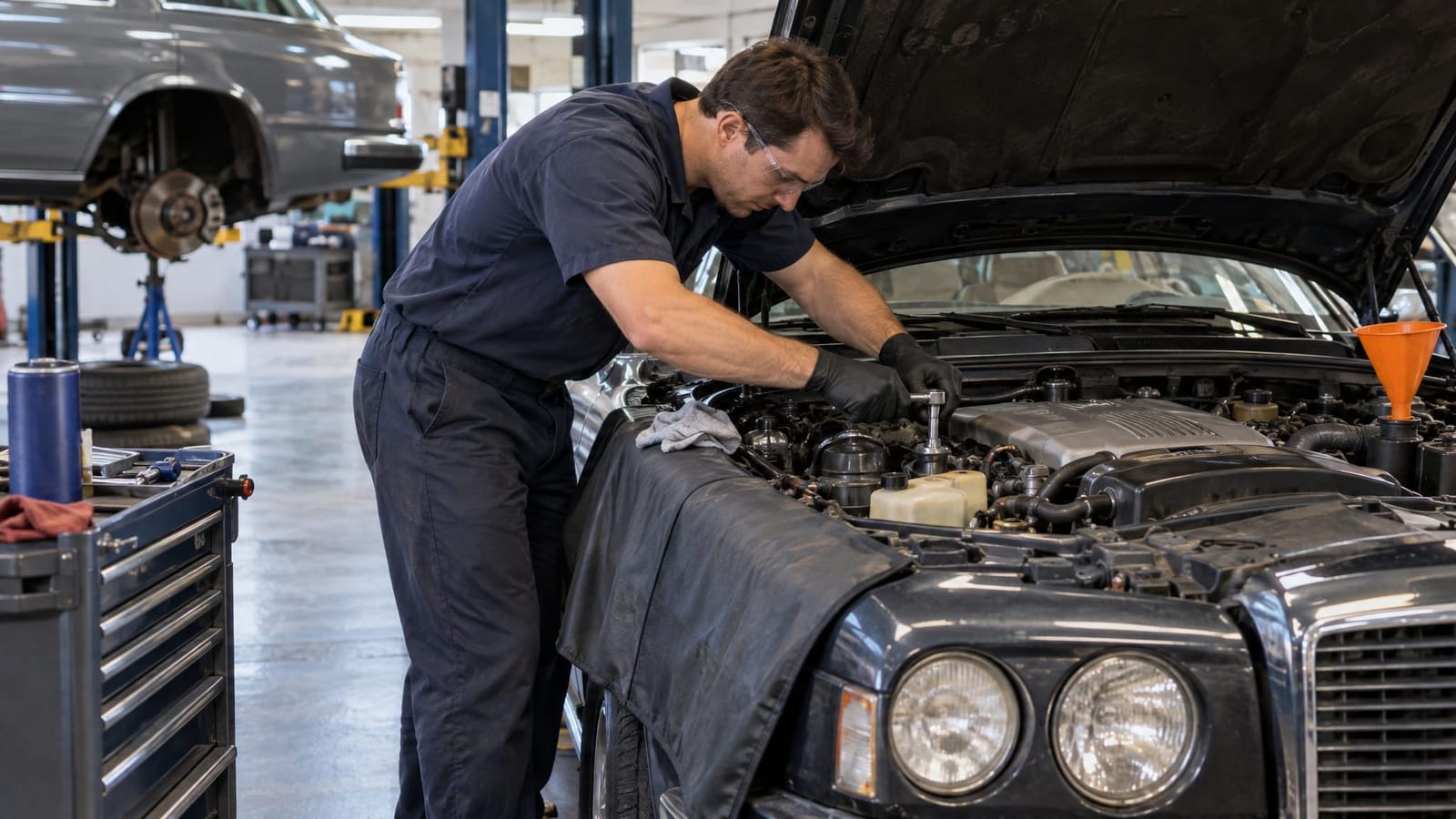
The serpentine belt and any remaining drive belts are visually inspected for cracking, fraying, or glazing. Coolant hoses are checked for soft spots, swelling, or hardening. Air filter condition is typically assessed as well. These are components that tend to degrade gradually and quietly: they don't always warn you before they fail, which is exactly why catching early wear matters.
Lights, Wipers, and Safety Items
Exterior lights, headlights, brake lights, turn signals, and reverse lights, are checked for burned-out bulbs. Wiper blade condition is assessed for streaking or tearing. These items might seem minor, but a non-functional brake light is both a safety issue and a potential traffic citation.
What Documentation Should You Receive?
A well-run multi-point inspection results in a written report that you keep. This document typically uses a simple color-coded system: green for items in good condition, yellow for items to monitor, and red for items that need attention now. Each category should list the specific component and a brief note explaining the finding.
This report serves two practical purposes. First, it gives you a clear, pressure-free picture of your vehicle's current condition so you can plan and budget for upcoming maintenance. Second, it creates a paper trail for your vehicle records: useful when it comes time to sell, and helpful for tracking how quickly certain components are wearing over time. If you're thinking about how preventative maintenance can save money on expensive car repairs down the road, having detailed inspection records is a big part of that equation.
Don't hesitate to ask your technician to walk you through the report. A trustworthy shop will take the time to explain findings in plain language without pressuring you into same-day repairs you're not ready to authorize.
How Often Should a Multi-Point Inspection Happen?
The most convenient answer: every time you come in for an oil change. Since oil changes happen every 3,000 to 5,000 miles (or every 5,000 to 7,500 miles for full synthetic), pairing an inspection with your routine service means your vehicle gets reviewed 2 to 4 times per year without any extra trips or appointments. Many shops, including Rancho Express Lube, include a multi-point inspection as a standard part of every oil change service, making it one of the easiest habits to build into your vehicle ownership routine.
If you drive a higher-mileage vehicle (over 75,000 miles), more frequent checks are a reasonable idea. Older vehicles naturally have more components in varying stages of wear, and staying ahead of those issues is the core goal of any solid what does multi point inspection include conversation with your service provider.
Frequently Asked Questions
Does a multi-point inspection cost extra?
At many shops, including Rancho Express Lube, a multi-point inspection is included at no additional charge as part of a routine oil change. It's worth asking when you schedule service so you know what to expect. There's typically no reason to skip it: the information it provides is genuinely useful.
Will the shop pressure me to fix everything on the report right away?
A reputable shop will present the findings and let you decide. Items flagged in yellow are things to watch and plan for; items in red are more urgent, but the decision is still yours. You should never feel pushed into same-day repairs you haven't budgeted for. The report is meant to inform you, not stress you out.
Is a multi-point inspection the same as a state safety inspection?
No. A state safety inspection is a legally mandated check with pass/fail criteria set by the state. A multi-point inspection is a service shop's internal review process: it's more comprehensive in some ways, less formal in others, and focused on proactive maintenance rather than compliance.
What if I just bought a used car: should I get a multi-point inspection?
Absolutely. A multi-point inspection on a recently purchased used vehicle gives you a clear baseline of where everything stands. It's one of the smartest first steps you can take after buying a used car, especially if you don't have records of its previous maintenance history.
The Bottom Line
A multi-point inspection is a practical, thorough review of the systems and components that keep your vehicle safe and reliable: covering brakes, tires, fluids, battery, belts, lights, and more. It produces a documented record of your vehicle's condition and helps you stay ahead of issues before they become expensive surprises. It's not a diagnostic test, but it's one of the most valuable tools in a consistent preventative maintenance routine. When you pair it with regular oil changes at a shop you trust, you're doing exactly what good vehicle ownership looks like.