What Maintenance Do Service Trucks Need Beyond Regular Cars?
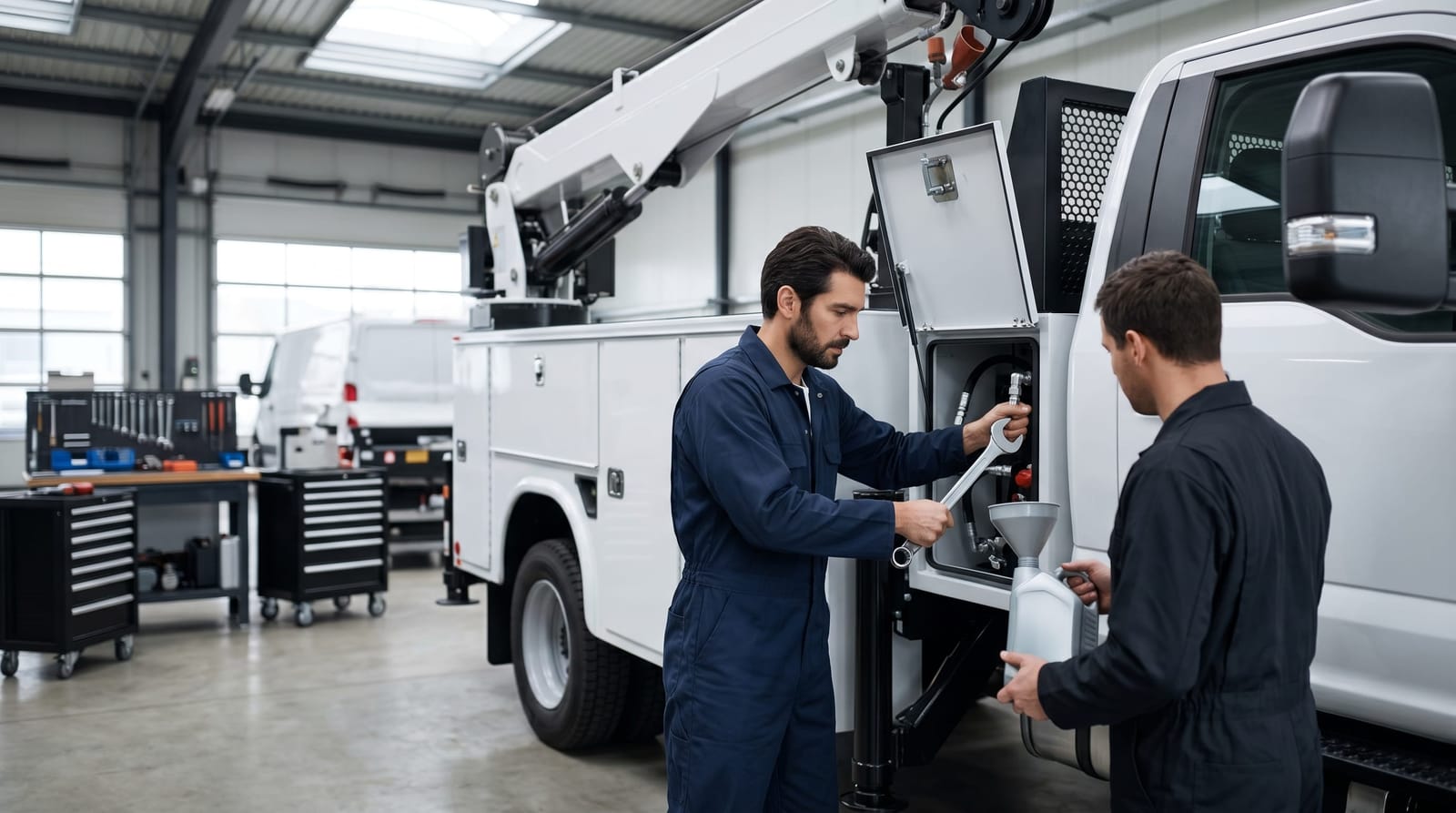
If you use a truck for work, whether it hauls equipment, carries tools, or makes daily deliveries, you already know it works harder than the average passenger car. But many business owners and owner-operators don't realize just how different service truck maintenance requirements are from standard vehicle upkeep. Skipping or delaying this specialized care doesn't just risk a breakdown: it can mean missed jobs, regulatory headaches, and repair bills that far outweigh what routine service would have cost. Here's what you need to know to keep your work truck reliable and compliant.
Why Service Trucks Have Different Maintenance Needs
A typical passenger car might carry four people and a few bags of groceries. A service truck might haul 2,000 pounds of tools, idle for extended periods at job sites, navigate tight loading zones, and clock 30,000 or more miles per year under constant load. That level of use puts significantly more stress on nearly every system in the vehicle.
Heavy loads affect brakes, suspension, and tires far more aggressively than light driving. Extended idling, common for trucks with equipment running on power takeoff (PTO) systems, adds engine wear that doesn't show up on the odometer. Frequent starts and stops in urban or suburban service routes are harder on transmissions than long highway miles. All of this means the standard maintenance intervals designed for passenger vehicles often aren't sufficient for commercial use.
Truck manufacturers typically publish separate severe-duty maintenance schedules for vehicles used in commercial applications, and those intervals are noticeably shorter. For example, oil changes that a regular car might need every 5,000 to 7,500 miles may need to happen every 3,000 to 5,000 miles for a heavily loaded work truck. Following those manufacturer-specified intervals, not the lighter-duty ones, is the foundation of good service truck maintenance.
Key Maintenance Areas That Go Beyond the Basics
Beyond oil changes and tire rotations, service trucks require focused attention on several systems that take on significantly more wear and tear in commercial use.
Brake System Inspections
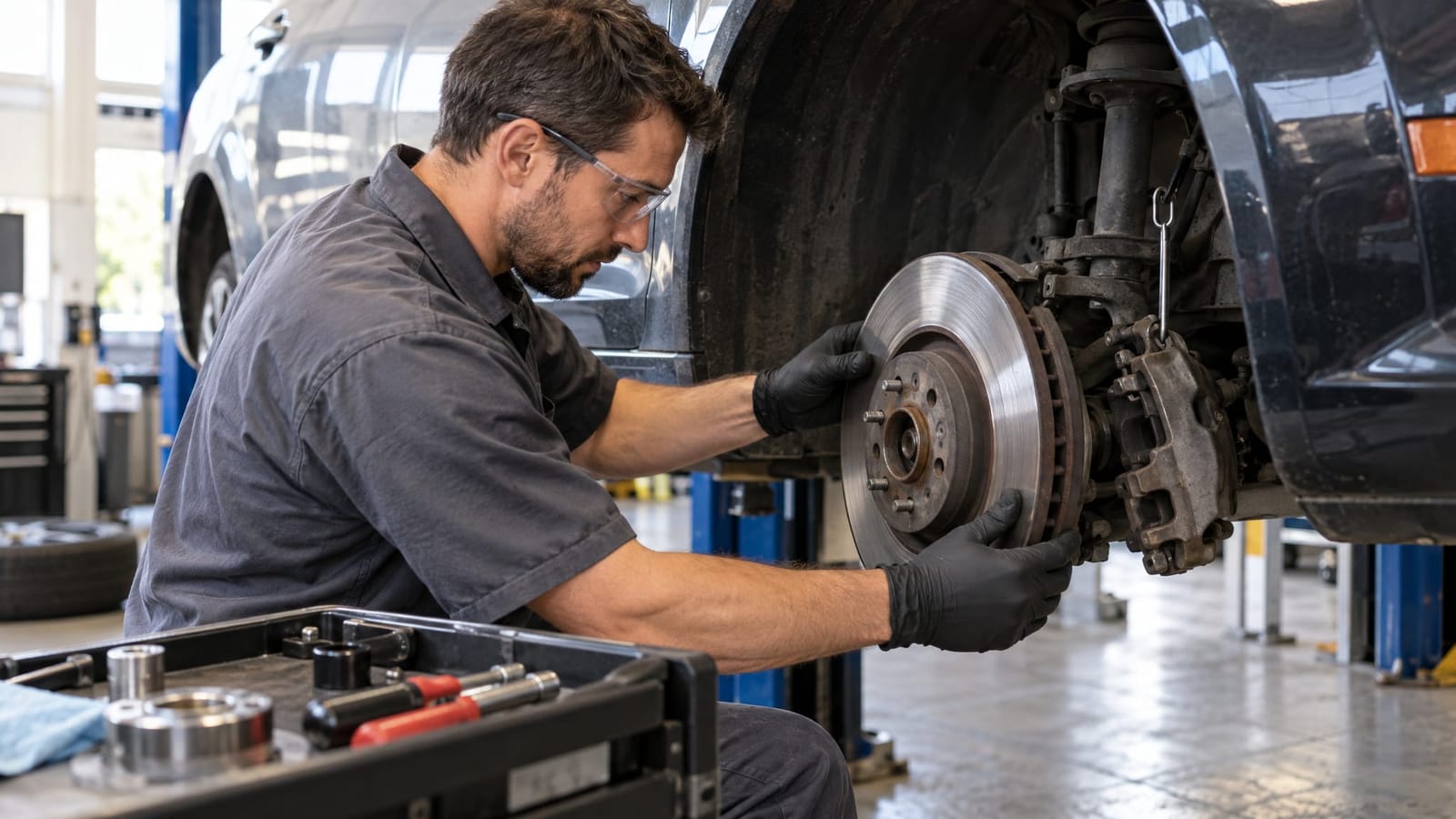
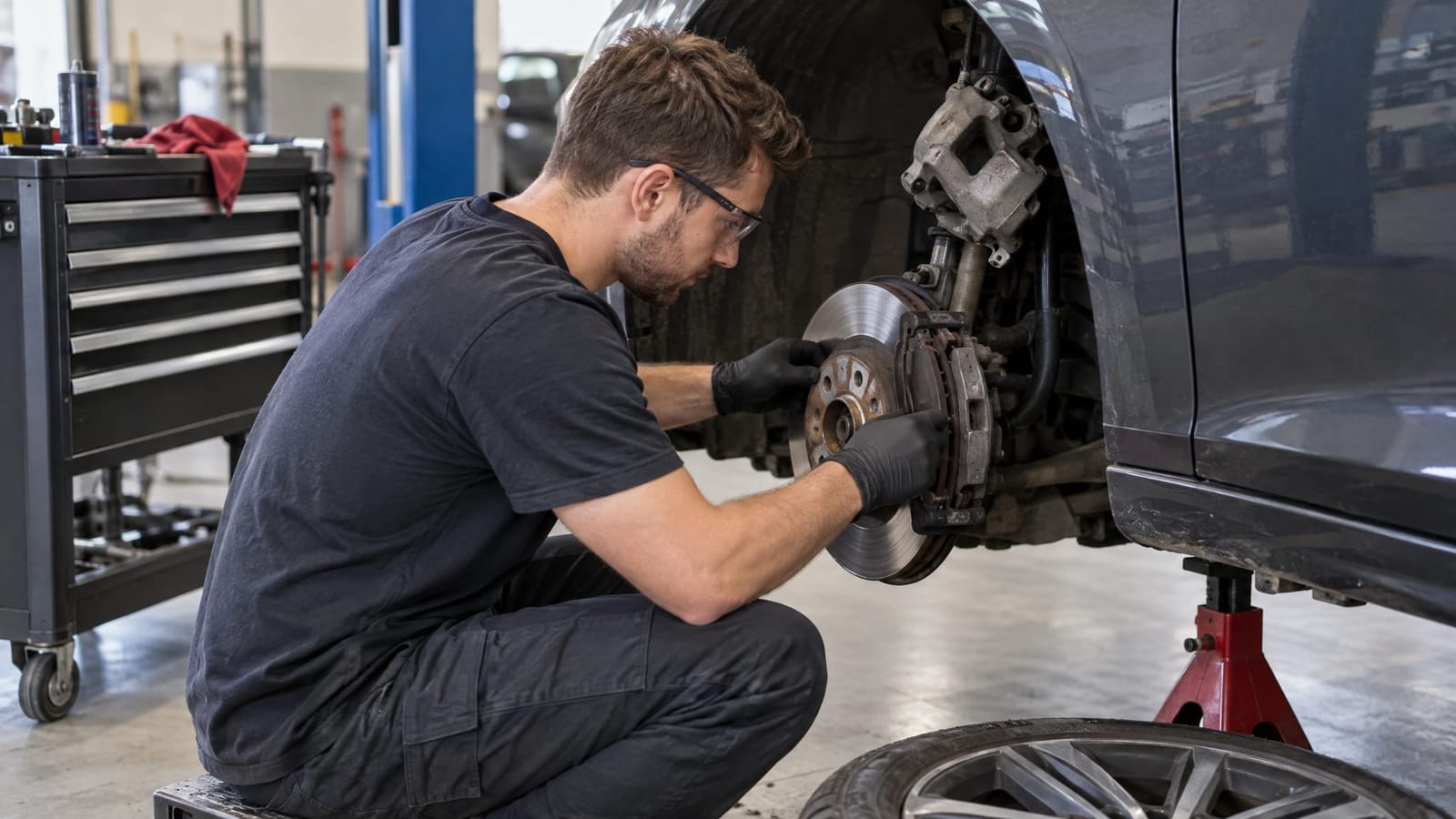
Heavier loads mean longer stopping distances and faster brake wear. Brake pads on a fully loaded service truck can wear down in a fraction of the time compared to a standard car. Brake inspections should happen at every service visit, not just annually. Brake fluid should also be checked regularly, since it absorbs moisture over time and can reduce braking performance under heavy use.
Transmission and Differential Service
Automatic transmissions in work trucks that tow or haul regularly should have their fluid changed more frequently than light-duty recommendations suggest, often every 30,000 to 45,000 miles under heavy use, compared to 60,000 to 100,000 miles for passenger cars. The differential, which transfers power to the drive wheels, also carries heavier loads and benefits from more frequent fluid checks and changes.
Cooling System Maintenance
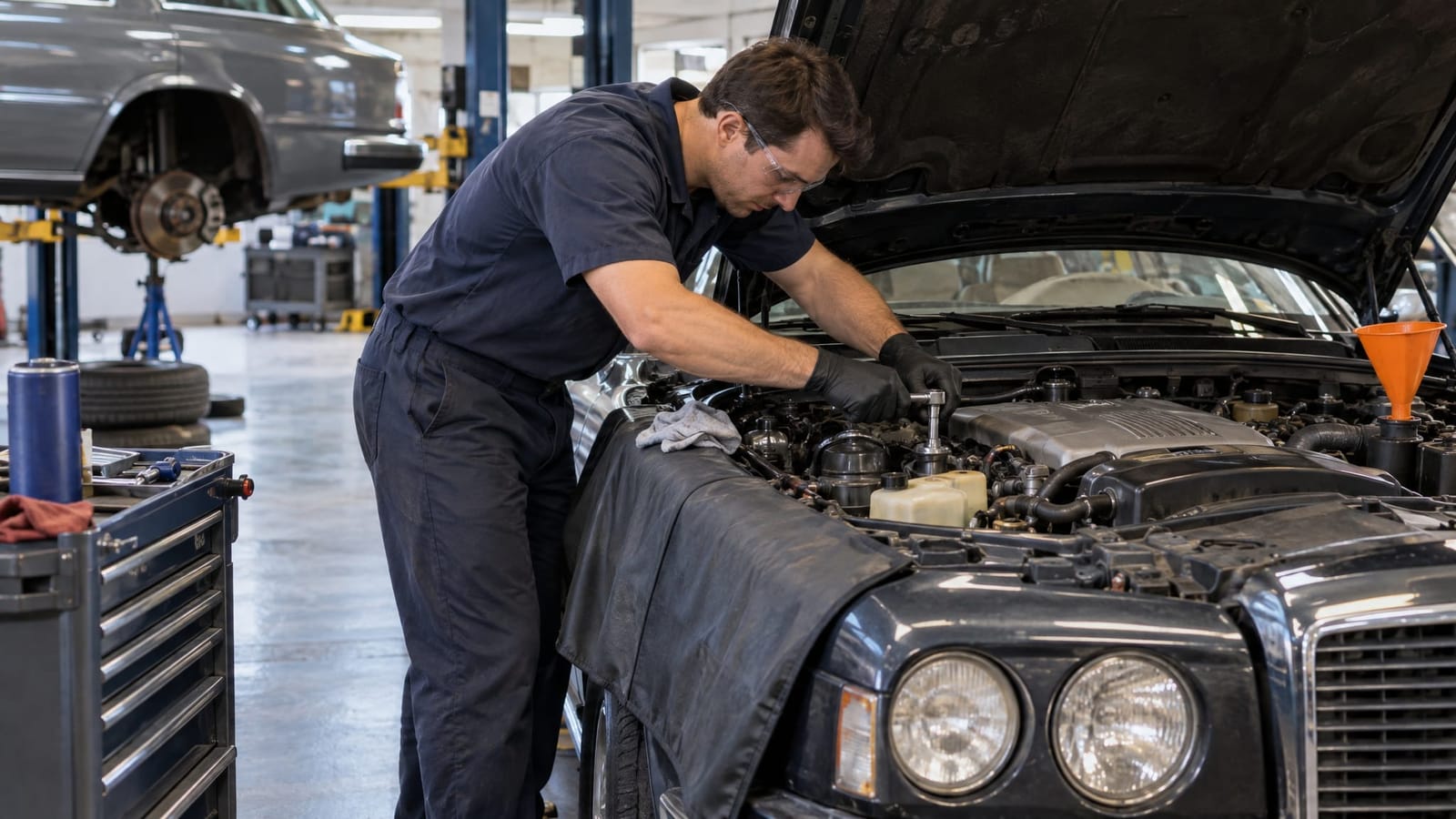
Engines working harder generate more heat. The cooling system, including the radiator, coolant, hoses, and thermostat, needs closer monitoring on trucks that run under load regularly. Coolant flushes every 2 years or 30,000 miles (whichever comes first) are a reasonable baseline, though your specific truck's manual may recommend shorter intervals for severe-duty use.
Suspension and Steering Components
Carrying heavy loads repeatedly wears out ball joints, tie rods, and shocks much faster. Suspension issues don't just cause a rough ride: they affect tire wear, steering response, and overall vehicle control. These components should be visually inspected at every major service interval and addressed before they cause more expensive cascading problems.
Air Filters and Fuel System
Work trucks operating in dusty environments, construction sites, gravel lots, agricultural areas, clog air filters significantly faster than normal. A clogged air filter reduces engine efficiency and increases fuel consumption. Checking and replacing the air filter based on actual conditions rather than a fixed mileage interval is a smarter approach for service vehicles.
Understanding Service Truck Maintenance Requirements for Compliance
If your service truck has a gross vehicle weight rating (GVWR) over 10,001 pounds and crosses state lines or operates commercially, federal regulations from the Federal Motor Carrier Safety Administration (FMCSA) come into play. Even many trucks that don't cross state lines may be subject to state-level commercial vehicle regulations that mirror federal standards.
The FMCSA requires that all maintenance activities, repairs, inspections, fluid services, part replacements, be documented and retained. Specifically, records must be kept for at least 12 months while the vehicle is in service, and for 6 months after the vehicle leaves your operation. That means a simple handwritten log isn't enough; you need organized, retrievable records that show what was done, when, and by whom.
A proper maintenance plan aligned with DOT and FMCSA standards typically includes a written preventive maintenance schedule, documentation of every service performed, records of any driver-reported defects and how they were resolved, and records of annual inspections. Businesses that operate even a small fleet of commercial vehicles, say, 3 to 5 service trucks, can quickly find themselves overwhelmed trying to track this manually. That's why many owners find it helpful to learn how to track maintenance for multiple business vehicles, using a system that keeps everything organized and accessible.
Building a Preventive Maintenance Schedule for Your Service Truck
A preventive maintenance (PM) schedule for a service truck is typically broken into service intervals based on mileage, engine hours, or time: whichever comes first. Here's a general framework that works well for most light-to-medium commercial trucks:
- Every 3,000-5,000 miles: Oil and filter change, tire pressure check, visual inspection of lights and fluid levels
- Every 10,000-15,000 miles: Tire rotation, brake inspection, air filter check, battery condition check
- Every 30,000 miles: Transmission fluid service, differential fluid check, coolant inspection, fuel filter replacement
- Every 60,000 miles: Spark plugs (gasoline engines), timing belt inspection if applicable, full suspension inspection
- Annually: Full vehicle inspection per DOT standards if required, review and update of maintenance records
These are starting points: your truck's owner manual and the conditions it operates in should always guide the final schedule. A truck running 5 days a week under full load in summer heat needs more frequent attention than one used occasionally in mild conditions.
The goal of any preventive maintenance program for service trucks is simple: catch small issues before they become expensive ones. A transmission fluid change might cost $150 to $250. A transmission rebuild can run $2,500 to $5,000 or more. Routine maintenance is almost always the better investment, especially when your truck's reliability directly affects your ability to earn income.
Practical Tips for Staying Ahead of Service Truck Maintenance
Keeping a work truck properly maintained requires a bit more intentionality than most personal vehicle owners are used to. A few habits can make a big difference:
- Use a maintenance log: Whether it's a simple spreadsheet, a dedicated app, or a notebook kept in the cab, log every service with the date, mileage, and what was done.
- Train drivers to report issues promptly: If someone else drives your truck, they need to know that unusual noises, warning lights, or changes in handling should be reported immediately, not ignored until the next oil change.
- Schedule service proactively: Don't wait until something goes wrong. Build maintenance appointments into your work calendar so they're treated as planned downtime rather than emergencies.
- Work with a shop that understands commercial vehicles: Not every quick-lube or general repair shop is comfortable with heavy-duty trucks. Find a provider familiar with service truck maintenance requirements who can give you consistent, reliable service.
Frequently Asked Questions About Service Truck Maintenance
How often should a service truck get an oil change?
For most work trucks operating under heavy or severe-duty conditions, oil changes every 3,000 to 5,000 miles are appropriate. This is shorter than the typical 5,000 to 7,500-mile interval for passenger cars because commercial use, frequent idling, heavy loads, and stop-and-go driving, puts more strain on engine oil and causes it to break down faster. Always check your truck's severe-duty maintenance schedule in the owner's manual for the most accurate guidance.
Do I have to keep maintenance records for my service truck?
If your truck falls under FMCSA regulations, generally commercial vehicles with a GVWR over 10,001 pounds used in interstate commerce, then yes, recordkeeping is legally required. The FMCSA mandates that maintenance records be kept for 12 months while the vehicle is in active service and 6 months after it leaves your operation. Even if your truck isn't federally regulated, keeping organized maintenance records is a smart business practice that helps you track costs, manage service schedules, and demonstrate due diligence if any liability issues arise.
What's the biggest maintenance mistake service truck owners make?
Stretching service intervals beyond what the vehicle's actual use warrants is one of the most common and costly mistakes. Many owners apply the same maintenance schedule they use for a personal vehicle, not accounting for the severe-duty conditions a work truck faces daily. The second most common mistake is failing to document maintenance properly, which can create compliance problems and makes it difficult to track what's been done when multiple people use the vehicle.
Can I use a regular oil change shop for my service truck?
For routine services like oil changes, tire rotations, and fluid top-offs, a well-equipped quick-service shop can handle most service trucks efficiently. The key is making sure the shop understands the correct oil type, viscosity, and service interval for your specific truck, especially if it's a diesel or heavy-duty model. For more specialized services like transmission work, suspension inspection, or brake system service on heavier trucks, look for a shop with experience in commercial or heavy-duty vehicles.
Keeping Your Work Truck Reliable Starts with the Right Maintenance Plan
Service trucks earn their keep by being available and dependable, and that reliability is built through consistent, appropriate maintenance. The service truck maintenance requirements that apply to commercial vehicles go well beyond what a standard passenger car needs, covering everything from more frequent oil changes and brake inspections to compliance-focused recordkeeping. By building a realistic PM schedule, documenting your service history, and working with a trustworthy shop familiar with work vehicles, you're protecting both your truck and the business that depends on it. For more guidance on managing vehicle care across your business, explore the broader preventative maintenance resources available from Rancho Express Lube.