What's Included in an A/C System Inspection?

If your car's air conditioning hasn't been inspected in a while, you might be wondering what exactly a professional looks at during a checkup. An AC system inspection checklist covers far more than just checking if cold air blows out of the vents. It's a thorough review of the components that work together to keep your cabin comfortable, and catching small issues early can save you from a much larger repair bill down the road. Here's a clear, straightforward breakdown of what to expect.
Why an A/C Inspection Matters Before Problems Start
Most vehicle owners don't think about their air conditioning until it stops working, usually on the hottest day of the year. But automotive A/C systems are made up of several interconnected parts, and a failure in one area often puts stress on the others. According to industry service data, refrigerant loss is responsible for roughly 80% of A/C performance complaints, yet many drivers don't notice gradual cooling loss until the system is significantly low.
A proactive AC system inspection checklist helps identify refrigerant leaks, worn components, and electrical issues before they lead to a full system failure. In fact, catching a minor refrigerant leak early typically costs a fraction of what compressor replacement runs, which can range from $500 to over $1,200 depending on the vehicle. Regular inspections, ideally once a year or before summer driving season, are one of the most practical ways to keep your climate control reliable without unnecessary expense.
For drivers experiencing car AC blowing warm air causes, an inspection is often the first step in diagnosing exactly what's going wrong.
The Core AC System Inspection Checklist: What Gets Checked
A complete AC system inspection checklist at a qualified shop typically covers 15 to 20 individual checkpoints across four main categories: refrigerant, mechanical components, electrical systems, and airflow. Here's a detailed look at each area:
Refrigerant and Pressure
- Refrigerant level check: Low refrigerant is the most common cause of poor cooling. Technicians use gauges to measure both high-side and low-side pressure to determine if the system is properly charged.
- Leak detection: Using UV dye or electronic leak detectors, technicians check fittings, hoses, and the compressor for any signs of refrigerant escaping the system.
- Refrigerant type verification: Most vehicles built after 1995 use R-134a, while newer models (2021 and later) increasingly use R-1234yf. Using the correct refrigerant is essential for system health and compliance.
Mechanical Components
- Compressor inspection: The compressor is the heart of the A/C system. Technicians listen for unusual noises and check the clutch engagement to confirm it's cycling correctly.
- Condenser and evaporator check: These heat-exchange components are inspected for blockages, corrosion, and physical damage that can reduce efficiency.
- Belts and hoses: Drive belts connected to the compressor and refrigerant hoses are checked for cracks, wear, or softness that could indicate deterioration.
- Expansion valve or orifice tube: These regulate refrigerant flow. A clogged or failing valve can cause the system to freeze up or blow inconsistently cool air.
Electrical System
- Wiring and connector check: Loose or corroded electrical connections can cause the compressor clutch to fail or the fan to stop working properly.
- Blower motor and speed settings: Each fan speed is tested to confirm the motor is functioning correctly across all settings.
- Pressure switches and sensors: These safety components protect the system from operating at dangerous pressure levels. Technicians verify they're reading accurately.
Airflow and Cabin Filters
- Cabin air filter inspection: A clogged cabin filter is one of the most overlooked causes of reduced airflow. Most manufacturers recommend replacing it every 12,000 to 15,000 miles.
- Vent temperature test: With the system running, a thermometer is used at the vents to confirm the system is cooling to the expected temperature range: typically 35°F to 45°F at the vent output under normal conditions.
- Ductwork and blend door check: The blend door controls the mix of hot and cold air. If it's stuck or broken, you may experience inconsistent temperatures regardless of your thermostat setting.
How Long Does an A/C Inspection Take?
A thorough AC system inspection checklist review typically takes between 30 and 60 minutes at a properly equipped shop. The exact time depends on whether any issues are found during the visual inspection that require further diagnostic work. At Rancho Express Lube, we aim to complete routine inspections efficiently so you're not waiting around longer than necessary.
The inspection process generally follows this order:
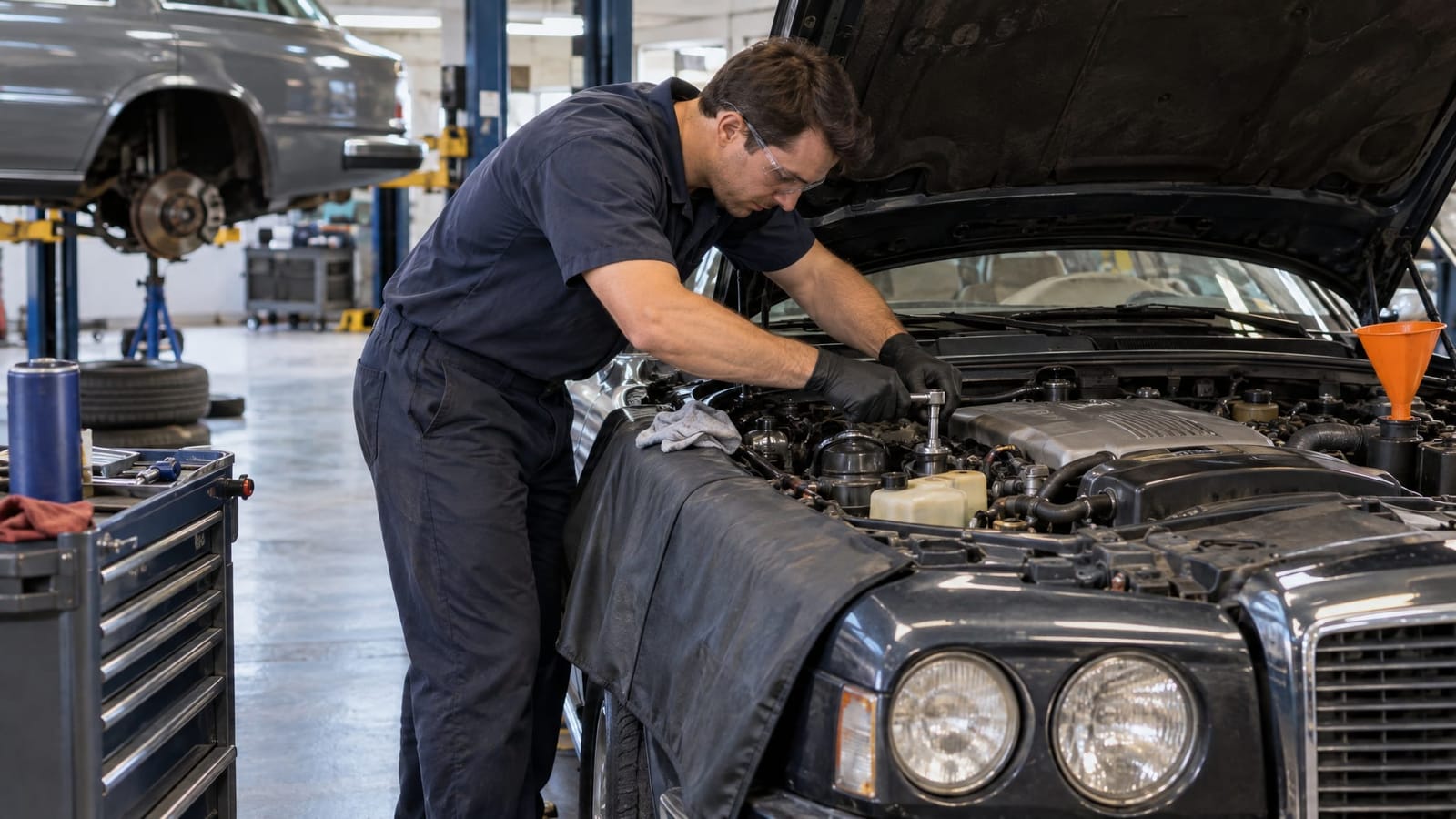
- Visual inspection of all accessible A/C components under the hood
- Pressure gauge hookup to test refrigerant charge levels
- Leak detection check around hoses, fittings, and the compressor
- Electrical component and blower motor testing
- Cabin air filter check and airflow measurement at vents
- Final performance test with the system running
After the inspection, you'll receive a clear summary of what was found, what's in good shape, and what, if anything, needs attention. There's no pressure to make decisions on the spot; our goal is to give you the information you need to make the right call for your vehicle.
Early Detection: The Real Value of a Routine Inspection
One of the most practical benefits of following a consistent AC system inspection checklist is catching small issues before they compound. For example:
- A minor refrigerant leak caught early may cost $75 to $150 to seal and recharge: versus $800 or more if the compressor is run dry and damaged.
- A worn belt replaced proactively costs far less than the roadside service call and tow if it snaps unexpectedly.
- A dirty cabin air filter reduces airflow so gradually that most drivers don't notice, but replacing it (typically under $30) immediately improves comfort and system efficiency.
- A failing pressure switch, if ignored, can allow the system to operate at unsafe pressures and damage other components over time.
If you're unsure whether your vehicle's A/C has been inspected recently, it's worth scheduling one before summer heat arrives, especially for high-mileage vehicles or commercial fleet vehicles that log heavy daily use. If you're wondering whether your vehicle type qualifies for this kind of service, it's worth noting that AC service all car makes is something most full-service shops handle, regardless of whether you drive a domestic sedan, import SUV, or work truck.
Frequently Asked Questions
How often should I get an AC system inspection?
Most automotive professionals recommend an AC system inspection once a year, ideally in the spring before warm weather begins. Vehicles in hot climates like the Inland Empire region, where summer temperatures regularly exceed 100°F, benefit from consistent annual inspections since the system works harder and longer than in milder climates.
What's the difference between an AC inspection and an AC recharge?
An inspection is a diagnostic review of all A/C components to assess overall system health. A recharge specifically refers to adding refrigerant to bring the system back to the correct pressure level. Many shops include a basic refrigerant check as part of the inspection, but a full recharge is a separate service performed when refrigerant is confirmed to be low.
Will I need repairs after every inspection?
Not necessarily. Many inspections come back with no action needed, especially on well-maintained vehicles with regular service histories. The goal of the inspection is to confirm your system is healthy, not to generate additional work. When something does need attention, you'll receive an honest explanation of what it is and why it matters.
Can I skip the inspection if my A/C seems to be working fine?
It's tempting to skip maintenance when nothing seems wrong, but A/C systems can lose up to 15% of their refrigerant annually through normal micro-seepage, and most drivers won't notice reduced cooling until the loss is much more significant. An inspection provides peace of mind and catches gradual issues that aren't yet noticeable from the driver's seat.
The Bottom Line on A/C Inspections
A complete AC system inspection checklist covers refrigerant levels, mechanical components, electrical connections, cabin air filters, and airflow performance, all the pieces that work together to keep your vehicle cool and comfortable. It's one of the most straightforward preventative maintenance services available, and it takes less than an hour in most cases. If it's been more than a year since your A/C was looked at, or if you've noticed any changes in cooling performance, scheduling an inspection is a smart, low-stress way to stay ahead of problems. At Rancho Express Lube, we're here to make that process simple and transparent.