Why is My Car Pulling to One Side?
If your car drifts or pulls to one side while driving, you are not imagining it, and you are not alone. This is one of the most common handling complaints vehicle owners notice during everyday driving. A pull to the left or right is usually a sign that something in your suspension, steering, or brake system needs attention. Understanding the most likely car pulling to one side causes can help you describe the problem accurately and get it resolved before it becomes something more inconvenient.
Wheel Alignment Is the Most Common Culprit
Wheel alignment refers to the precise angle at which your tires make contact with the road. When those angles shift, even slightly, your vehicle will begin to track in one direction rather than moving straight. Studies from the Tire Industry Association suggest that as many as 1 in 3 vehicles on the road have measurable alignment problems, many of which go unnoticed until a pull becomes obvious.
Alignment shifts happen gradually over time. Normal road use, hitting a pothole, driving over a curb, or even a minor parking lot bump can knock your wheels out of their proper settings. The three primary alignment angles, camber, toe, and caster, each affect how your vehicle handles, and any one of them being off can cause a noticeable pull.
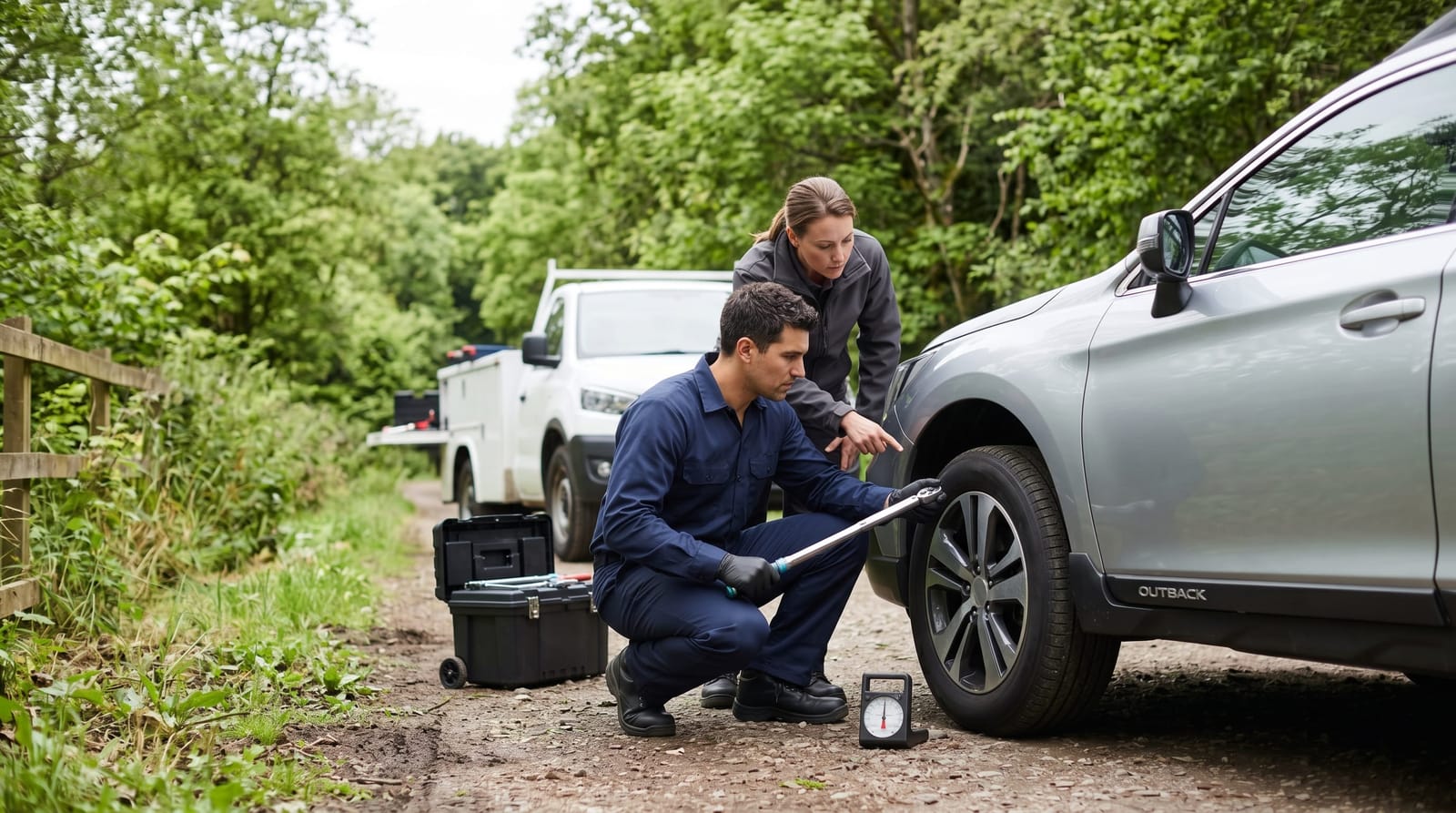
The good news is that alignment is a straightforward correction. A professional alignment service measures these angles with precision equipment and adjusts them back to your vehicle manufacturer's specifications. Most vehicles benefit from an alignment check at least once a year or every 12,000 miles, whichever comes first. If you have hit a significant road obstacle recently and your car now pulls noticeably, an alignment check is a sensible first step.
Tire Pressure and Tire Condition Problems
Uneven tire pressure is one of the simplest and most overlooked car pulling to one side causes. When one tire is significantly underinflated compared to the opposite tire, your vehicle will pull toward the lower-pressure side. Even a 5 to 8 PSI difference between the left and right front tires can create a detectable drift. The good news here is that this is often the easiest fix: check and equalize your tire pressure before anything else.
Beyond pressure, the physical condition of your tires matters. Uneven tread wear on one tire can create resistance differences that pull your steering in one direction. A tire with a damaged internal belt or a slight deformity, sometimes called a tire pull or memory steer, can also be responsible. This type of pull is often more noticeable at highway speeds.
Tire rotation every 5,000 to 7,500 miles promotes even wear across all four tires, which helps prevent this kind of imbalance from developing. If you notice that one front tire is wearing on the inside or outside edge compared to the other, that pattern itself is worth pointing out to a technician: it is useful diagnostic information.
Brake System Issues That Cause Pulling
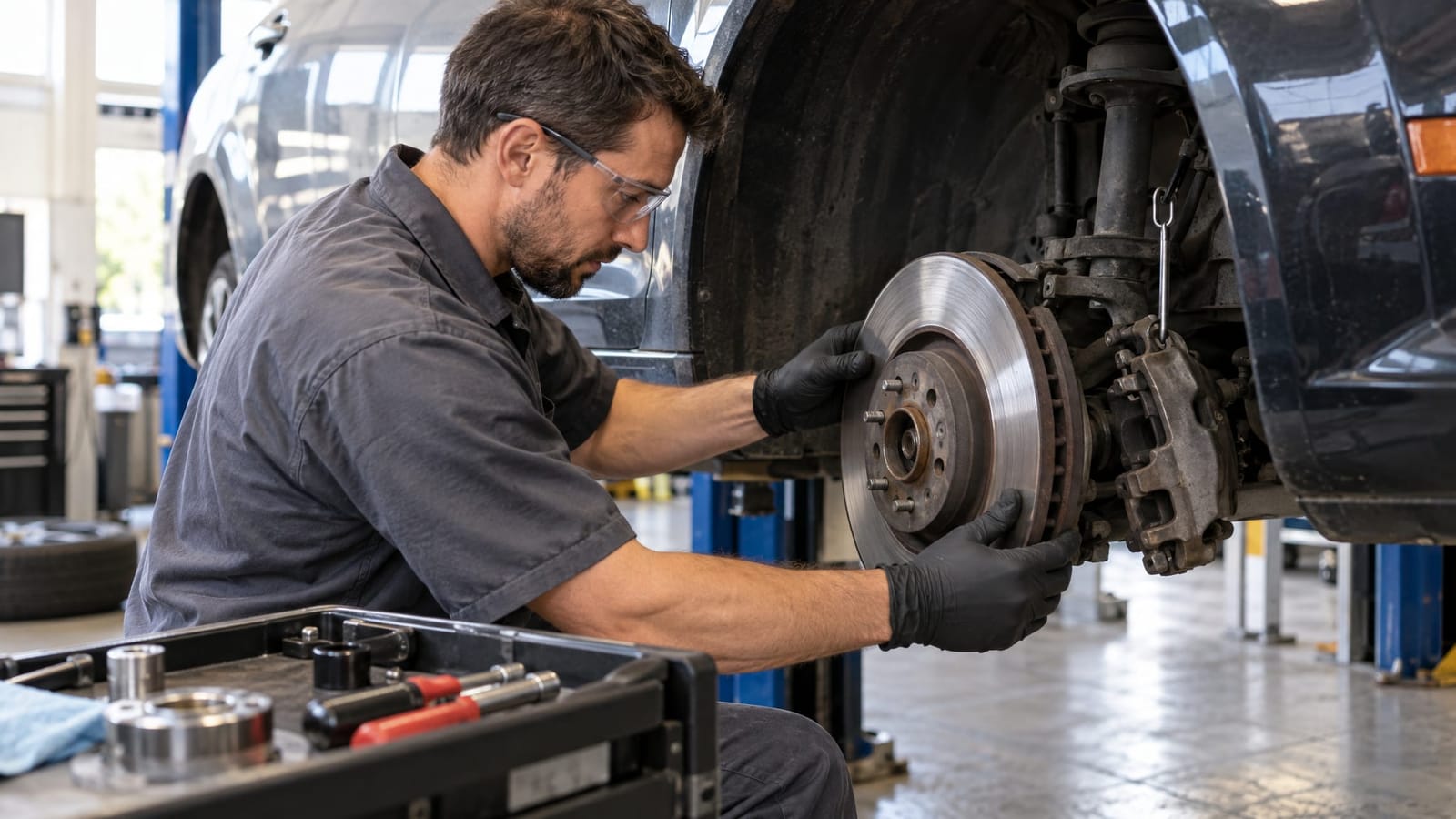
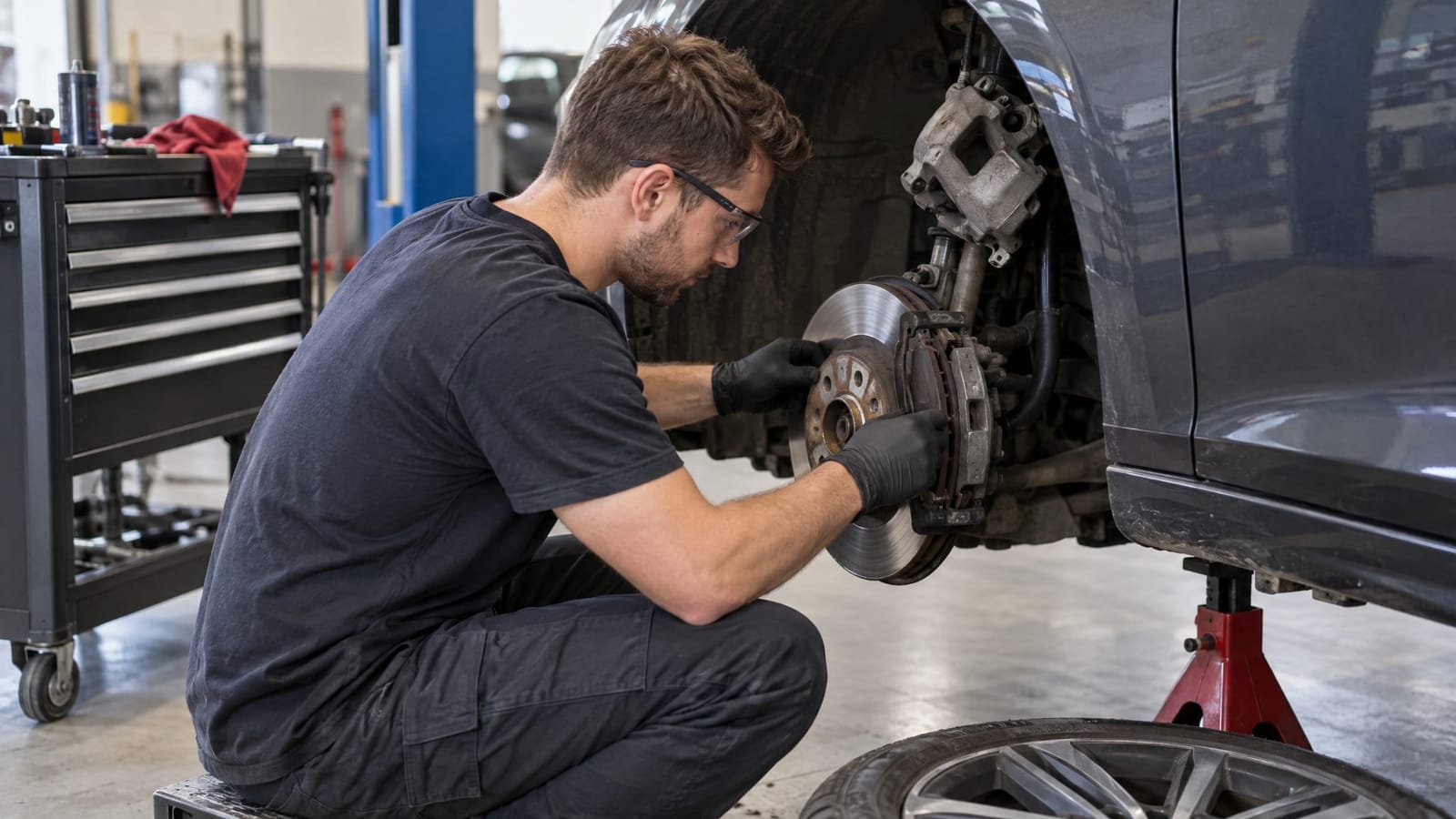
If your car pulls only when you apply the brakes, rather than pulling during normal cruising, the brake system is likely involved. A sticking brake caliper is one of the most frequent brake-related causes of pulling. When a caliper fails to release properly after braking, it maintains partial pressure on the rotor, creating drag on that wheel. This causes the vehicle to pull toward the side with the stuck caliper.
Uneven brake pad wear, a collapsed brake hose, or unequal hydraulic pressure between the left and right sides can produce similar symptoms. Brake-related pulling is a safety concern because it affects your ability to stop in a straight line. If the pull happens specifically under braking, having the brake system inspected sooner rather than later is the right move.
Many drivers describe brake-related pulling as more of a lurch or sudden tug, rather than the steady drift that alignment or tire issues create. That distinction, whether the pull is constant or only happens during braking, is useful information when talking with a service technician.
Suspension and Steering Component Wear
Your suspension system includes dozens of components, control arms, ball joints, tie rods, bushings, that work together to keep your wheels positioned correctly under the vehicle. When any of these parts wear out or develop play, the geometry of your steering and suspension can shift, creating a pull to one side.
Worn tie rod ends are a particularly common source of steering pull. Tie rods connect your steering rack to the wheel assembly, and when they develop looseness, they can allow the wheel to shift slightly from its intended position. According to the Car Care Council, approximately 77% of vehicles inspected during National Car Care Month events show at least one component in need of service, with steering and suspension parts among the most frequently flagged items.
If you are also experiencing symptoms like a loose or wandering steering feel, vibration through the wheel, or unusual tire wear patterns, worn suspension components are worth investigating alongside alignment. A thorough visual inspection by a trained technician can identify worn parts before they affect safety or lead to secondary damage elsewhere. Understanding how suspension components interact is part of what makes power steering repair service and suspension work closely related: both affect how confidently your vehicle tracks and responds to your steering input.
How to Describe the Problem to a Technician
When you bring your vehicle in for a pulling complaint, a few observations from you can help speed up diagnosis significantly. Before your appointment, take note of the following:
- Which direction does the car pull? Left or right: this narrows down which side the technician should focus on first.
- Is the pull constant, or does it only happen during braking? This distinction points toward alignment or tire issues versus brake system problems.
- Does the steering wheel sit centered? A crooked steering wheel while driving straight is a strong alignment indicator.
- Did the pull start suddenly or gradually? A sudden pull after hitting a bump suggests alignment; a gradual drift often points to wear over time.
- Have you noticed any vibration or noise? These clues help identify suspension components that may be involved.
The more detail you can provide, the faster a technician can zero in on the actual cause. Describing your symptoms specifically, rather than simply saying "something feels off", is genuinely helpful and saves diagnostic time.
Frequently Asked Questions
Is it safe to drive if my car is pulling to one side?
It depends on the cause and severity. A mild pull due to uneven tire pressure is less urgent than a pull caused by a sticking brake caliper or a worn tie rod end. If the pull is sudden, significant, or happens specifically under braking, it is worth having the vehicle inspected promptly. Driving with unresolved pulling issues can also accelerate tire wear and put additional stress on steering components.
Can tire rotation fix a car that pulls to one side?
Sometimes. If uneven tire wear is contributing to the pull, rotating the tires may reduce or eliminate it. However, tire rotation will not correct an alignment problem or a brake issue. It is a useful maintenance step, but if the pull persists after a rotation, further diagnosis is needed to identify the underlying cause.
How often should I get a wheel alignment?
Most vehicle manufacturers and service professionals recommend a wheel alignment check approximately once a year or every 12,000 miles under normal driving conditions. If you drive on rough roads frequently, tow a trailer, or experience a notable impact like a pothole or curb strike, an earlier check is a good idea. Proper alignment also extends the life of your tires by ensuring even contact with the road surface.
Why does my car pull to one side after hitting a pothole?
A significant impact from a pothole can knock your wheel alignment angles out of specification instantly. It can also damage a tire internally or disturb a suspension component. If your vehicle begins pulling noticeably after a pothole impact, an alignment check combined with a tire inspection is typically the right starting point to assess what shifted and what, if anything, was damaged.
Getting a Straight Answer: and a Straight Ride
A car pulling to one side is a common problem with a manageable set of causes. Whether it is alignment, tire pressure, brakes, or suspension wear, identifying the right car pulling to one side cause starts with paying attention to when the pull happens and what else you notice while driving. Most of these issues are straightforward to diagnose and correct when caught early. If you have been noticing a drift in your vehicle's handling, bring it in for an inspection: a fresh set of trained eyes can usually pinpoint the source quickly and help you get back to driving confidently.