Brake Pad Replacement: Premium Parts for High-Performance Vehicles
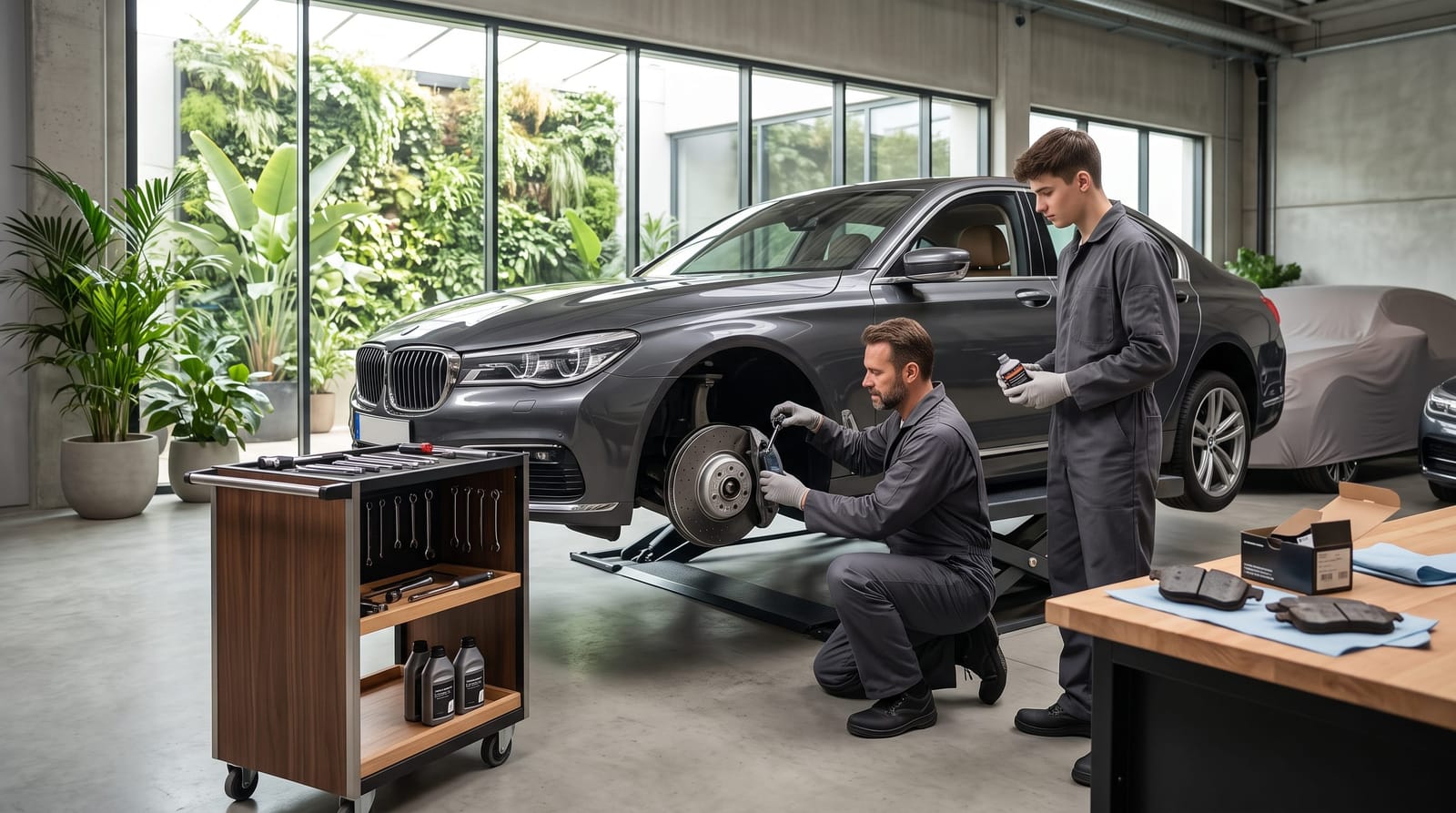
When it comes to keeping a luxury or high-value vehicle safe on the road, few maintenance decisions carry more weight than choosing the right brake pads. As part of our Complete Brake Service Guide, this post takes a closer look at what brake pad replacement actually involves for premium vehicles, and why the process is meaningfully different from a standard brake job. Whether you drive a BMW, Mercedes-Benz, Lexus, or a well-equipped full-size SUV, the brake system on your vehicle was engineered to specific tolerances that require equally specific parts and care. In this guide, we'll walk through the types of brake pads used in premium vehicles, what affects the cost, and why professional installation makes a real difference for long-term safety and performance.
Why Brake Pad Selection Matters More for Luxury and High-Value Vehicles
Not all brake pads are created equal, and that distinction becomes especially important when you're working with a vehicle that carries a higher price tag, more complex engineering, and greater expectations for ride quality and stopping power.
Luxury vehicles and high-performance cars are built with braking systems that are carefully tuned from the factory. The rotors, calipers, and brake pads are all matched to work together. When it's time to replace the pads, using a lower-quality or mismatched product can lead to increased brake dust, uneven wear on rotors, vibration or noise during braking, and, most importantly, reduced stopping performance.
That's not to say budget pads will cause immediate failure. But over time, the mismatch between inferior pads and a precision-engineered brake system often shows up in the form of faster rotor wear, squealing or grinding, and the need for more frequent service. For a vehicle where rotor replacement alone can run several hundred dollars per axle, getting the pads right the first time is simply the more practical choice.
The good news is that today's premium brake pad options are excellent. Understanding what's available helps you have a more informed conversation with your service technician, and helps you feel confident about what's going into your vehicle.
Types of Brake Pads Used in Premium Vehicles
There are several main categories of brake pad materials, and each has its own strengths. For luxury and high-value vehicles, the two most common options are ceramic and semi-metallic pads. Understanding the difference between these two helps you understand what your vehicle may need.
Ceramic Brake Pads
Ceramic brake pads are made from a dense ceramic compound combined with copper fibers. They're a popular choice for luxury vehicles because they operate quietly, produce minimal brake dust, and are gentle on rotors over time. They also perform consistently across a wide range of temperatures, which matters for vehicles that are regularly driven in stop-and-go traffic or varied conditions.
Ceramic pads are generally well-suited for everyday driving in vehicles like sedans, crossovers, and luxury SUVs. If you want to understand how they compare in more detail, our post on ceramic vs semi metallic brake pads goes deeper into the trade-offs between these two materials.
Semi-Metallic Brake Pads
Semi-metallic pads are made from a mix of metal fibers, typically steel, copper, or iron, bonded together with a resin compound. They tend to offer strong stopping power and handle heat well. This makes them a practical choice for larger, heavier luxury SUVs or vehicles that see more demanding driving conditions. The trade-off is that they can be slightly noisier and may produce more brake dust than ceramic options.
Carbon Composite Pads
Some high-end European vehicles, particularly those from manufacturers like BMW M series, AMG variants of Mercedes-Benz, and Porsche, may use carbon composite or carbon-ceramic brake systems at the factory level. These are premium-tier materials designed for vehicles with substantially more braking demands. Replacement costs for these systems are higher, and professional service is especially important to ensure correct fitment and performance.
What Does Brake Pad Replacement Cost for Luxury Vehicles?
It's a fair question, and the honest answer is: more than a standard vehicle, but for understandable reasons.
For a typical passenger car or light truck, brake pad replacement generally runs between $200 and $400 per axle, including parts and labor. For luxury vehicles, SUVs, and premium cars, that range typically moves up to $600-$1,000 per axle, depending on the vehicle, the type of pads required, and the complexity of the brake system.
Several factors contribute to that difference:
- Parts cost: Ceramic and carbon composite pads cost more to manufacture than standard semi-metallic options. OEM-equivalent or manufacturer-approved pads for vehicles like Audi, BMW, or Lexus carry a premium that reflects the engineering behind them.
- Labor time: Some luxury vehicles have more complex brake system designs that require additional time to service correctly. Electronic parking brakes, for example, require a scan tool to retract the rear calipers: a step that adds time and requires proper equipment.
- Vehicle size and rotor dimensions: Larger vehicles with bigger brake systems simply use more material. Full-size luxury SUVs like a Range Rover or Cadillac Escalade have substantially larger braking components than a compact sedan.
If you're curious about specific pricing for German-made vehicles in particular, our post covering brake service cost for German cars breaks down what to expect for brands like BMW, Mercedes-Benz, and Audi.
The bottom line: the higher cost of brake pad replacement for luxury vehicles reflects real differences in parts quality and service complexity, not inflated shop fees. Choosing a shop that uses quality parts and has experience with your type of vehicle ensures that investment is well placed.
How to Know When Your Brake Pads Need Replacement
One of the best ways to avoid unnecessary expense is simply to stay ahead of brake wear. Most premium vehicles are equipped with electronic brake wear sensors that trigger a dashboard warning light when pads reach a certain thickness. But not every vehicle has these sensors on all four wheels, and sensors can occasionally fail, so it's worth knowing the other signs to watch for.
Common indicators that brake pads may be due for replacement include:
- A squealing or chirping noise when braking, especially in the morning or after the vehicle has been sitting
- A grinding sensation or sound, which may suggest the pad material has worn through and metal is contacting the rotor
- Longer stopping distances than usual, or a brake pedal that feels softer than normal
- Vibration through the steering wheel or brake pedal when slowing down
- A brake warning light on the dashboard
For a more thorough look at what to watch for, our guide on brake pad replacement signs covers the warning signals that indicate it's time to have your brakes inspected.
The important takeaway here is that waiting too long on brake pad replacement almost always leads to greater expense. Worn pads cause accelerated rotor damage, and rotor replacement adds significantly to the overall repair cost. Routine inspections catch wear early, and on a high-value vehicle, that proactive approach pays off.
Why Professional Installation Makes a Difference
Brake pad replacement is one of those services where professional installation genuinely matters: particularly for luxury and premium vehicles.
Here's why:
Proper Break-In Procedures
New brake pads need to be properly "bedded in": a process that gradually seats the pad material against the rotor surface. Done correctly, this establishes even contact and helps the pads reach their full stopping potential. Done incorrectly, or skipped entirely, it can lead to uneven pad deposit on the rotor, vibration, and reduced braking effectiveness.
Electronic System Compatibility
Many luxury vehicles have integrated electronic systems tied into their braking components. Rear electronic parking brakes, for example, require a compatible scan tool to retract the caliper pistons before new pads can be installed. Attempting this without the right equipment can damage the caliper or trigger fault codes that affect vehicle operation.
Torque Specifications and Caliper Service
Brake hardware needs to be installed to precise torque specifications. Over-tightening or under-tightening caliper bolts can affect braking performance and safety. A professional technician follows the manufacturer's specifications for your specific vehicle, not a general guideline.
Rotor and System Inspection
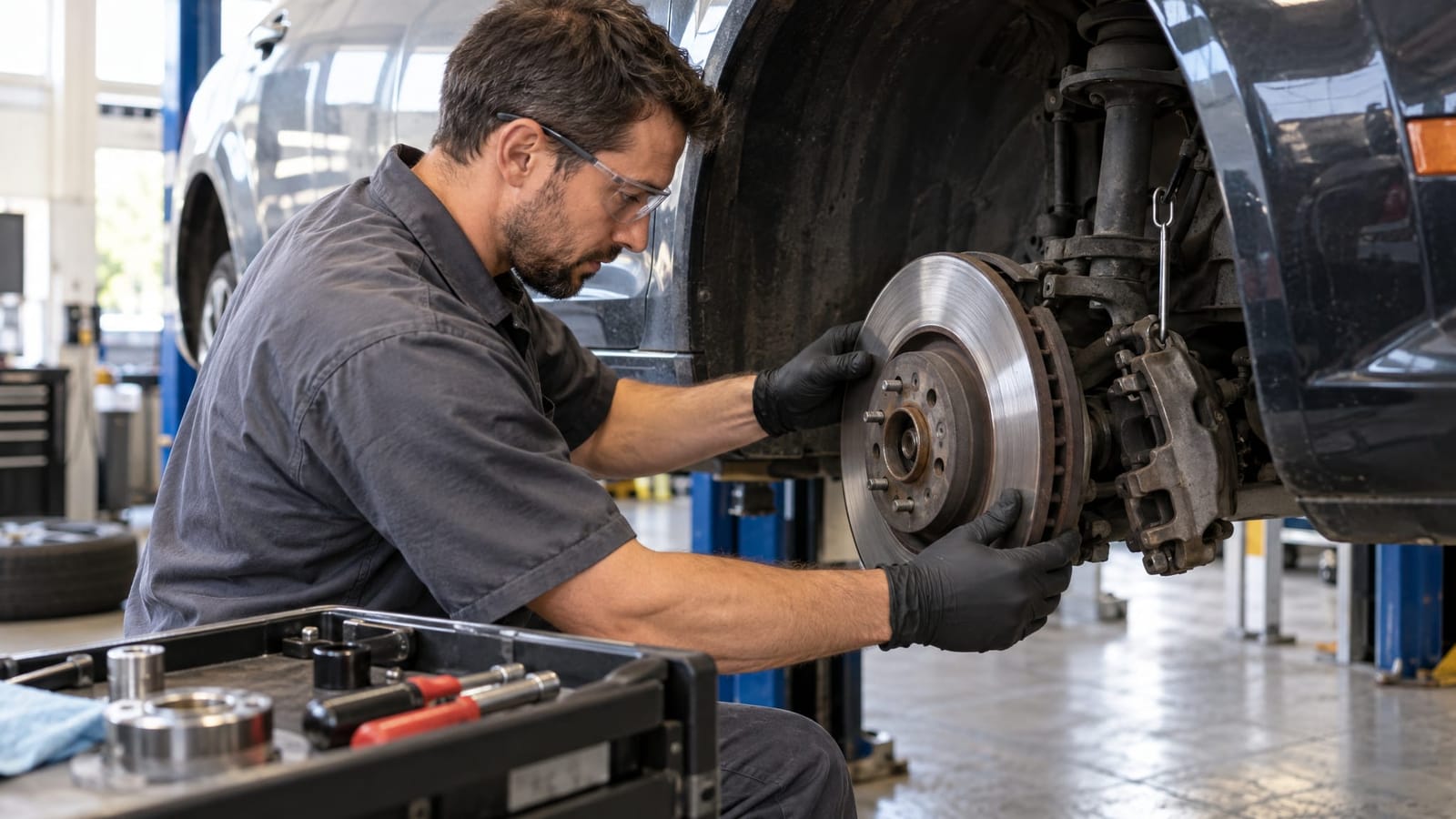
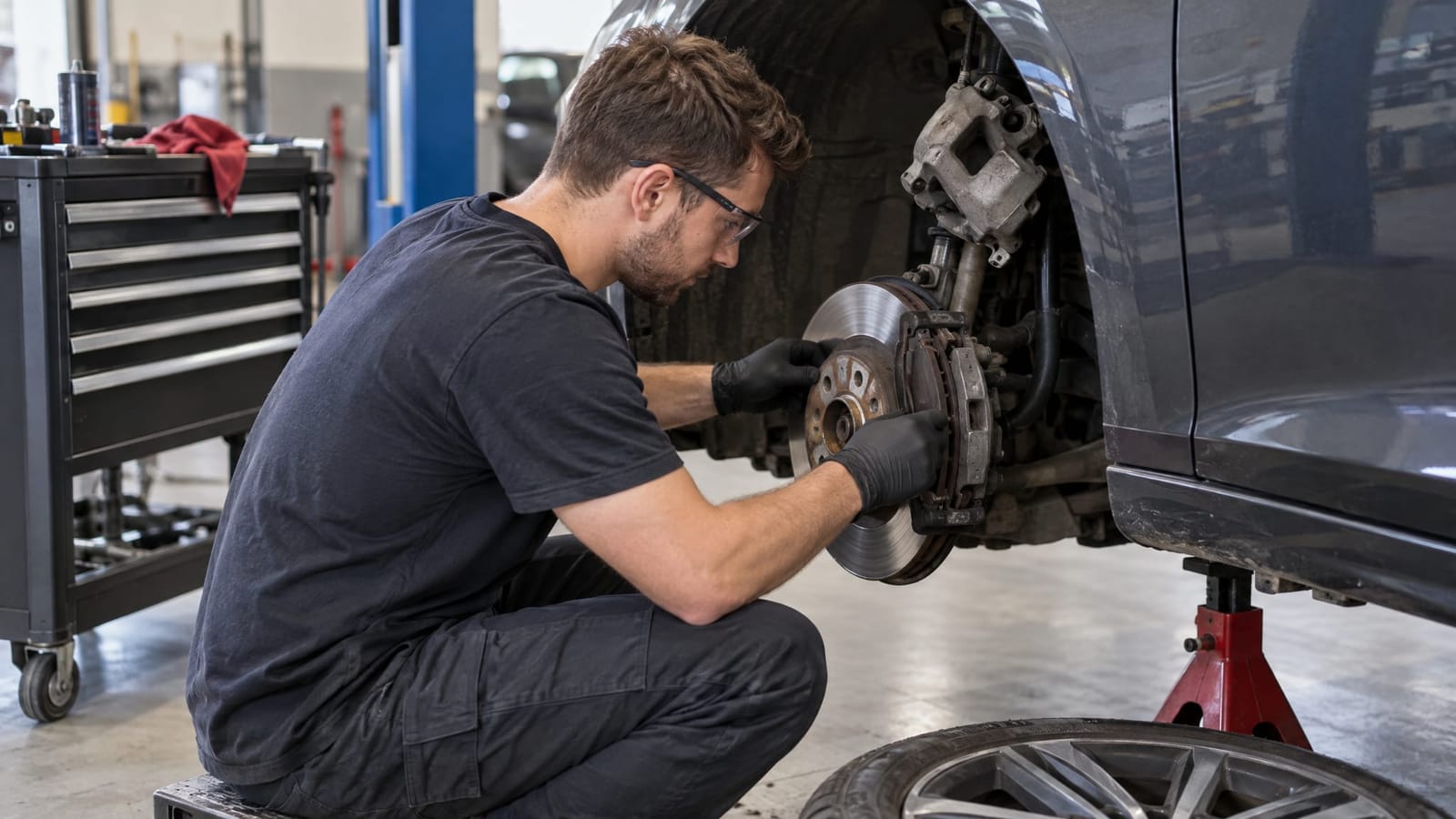
A professional brake service doesn't stop at the pads. A thorough technician will also check rotor thickness and condition, inspect brake calipers for sticking or uneven wear, evaluate brake fluid condition, and look at the full system to make sure everything is functioning as it should. This comprehensive view of the braking system helps you understand the full picture, not just the part that's most visible.
If you're wondering how long a professional brake service typically takes, our post on brake repair time at a professional shop gives a realistic overview of what to expect from start to finish.
Choosing the Right Shop for Brake Service on a Premium Vehicle
Not every shop is equally prepared to work on luxury and high-value vehicles. When selecting a service provider for brake pad replacement on a premium car or SUV, a few things are worth confirming:
- ASE certification: ASE-certified technicians have completed standardized testing in specific areas of automotive service, including brakes. This certification is a meaningful indicator of professional training and competency.
- Quality parts: Ask whether the shop uses OEM-equivalent or manufacturer-approved brake pads. Quality parts matter, and a reputable shop should be transparent about what goes into your vehicle.
- Proper equipment: Servicing modern luxury vehicles requires current diagnostic tools and equipment. A shop that services a wide range of vehicles should have the tools needed to handle electronic brake systems.
- Clear communication: A trustworthy shop explains what was found during inspection, what's recommended, and why, without pressure. You should feel informed, not rushed.
Related Topics Worth Exploring
Brake pad replacement is one important piece of a larger picture. If you'd like to go deeper on specific aspects of brake service for your vehicle, these related guides can help:
- Learn about the specific brake pad replacement signs to watch for between service intervals.
- Understand the real differences between ceramic vs semi metallic brake pads and which may be right for your vehicle.
- Get a detailed breakdown of brake service cost for German cars if you own a BMW, Audi, Mercedes-Benz, or Volkswagen.
- Find out what to expect from the timeline with our guide to brake repair time at a professional shop.
Keeping Your Premium Vehicle's Brakes in Top Condition
Brake pad replacement for luxury and high-value vehicles is a more involved service than a standard brake job, but the investment reflects real value in parts quality, system compatibility, and long-term reliability. Choosing quality pads matched to your vehicle's specifications, staying attentive to early warning signs, and working with a professional shop that understands premium vehicles all contribute to a safer, longer-lasting result.
At Rancho Express Lube, we work with owners of all types of vehicles, from everyday commuters to high-value luxury cars and SUVs, and we're committed to honest, quality service on every brake job we do. If your vehicle is due for a brake inspection or you have questions about what your brakes may need, we're here to help. Stop by or give us a call: we'll take a look and give you a straightforward answer.