Digital Vehicle Inspection: Advanced Diagnostics During Your Oil Change

When most people think about an oil change, they picture a quick fluid swap and a new filter. But a full service oil change today includes much more than that, and one of the most valuable additions is the digital vehicle inspection. At Rancho Express Lube, a digital vehicle inspection during your oil change gives you a detailed, documented look at your vehicle's overall condition while your oil is being changed. You're not left guessing about what the technician found or relying on a verbal summary you might forget by the time you get home. Instead, you receive a clear, photo-supported report that helps you stay ahead of potential issues before they become expensive ones. This post breaks down exactly how digital inspections work, what they check, and why they're worth paying attention to.
What Is a Digital Vehicle Inspection?
A digital vehicle inspection (often called a DVI) is a technology-based process that replaces the old paper checklist with a detailed digital report that includes photos, notes, and condition ratings for each inspected component. Instead of a technician handing you a handwritten sheet with a few checkmarks on it, you receive a comprehensive report, often sent directly to your phone or email, that you can review at any time.
Traditional paper inspections were limited by what could be written down quickly and what a customer could realistically absorb in a two-minute conversation at the service counter. A digital inspection changes that dynamic entirely. Every finding is documented with visual evidence, giving you context that a paper form simply can't provide.
How the Process Works Step by Step
- Technician initiates the inspection using a tablet or mobile device connected to the shop's inspection platform as soon as your vehicle enters the service bay.
- A standardized checklist is followed covering every major system and component relevant to your vehicle type and the service being performed.
- Photos and condition ratings are recorded for each item: typically color-coded as green (good), yellow (monitor), or red (needs attention).
- The completed report is sent to you via text or email, usually before your service is even finished.
- A service advisor reviews the findings with you and answers any questions before any additional work is discussed.
This process typically adds very little time to a routine oil change appointment. Most digital inspections are completed within the same service window, making it a practical addition to any routine visit.
What Gets Checked During a Digital Vehicle Inspection
One of the most common questions vehicle owners have is exactly what a digital inspection covers. The answer is more comprehensive than most people expect. While the specific checklist can vary by shop, a thorough digital vehicle inspection at the time of an oil change typically evaluates between 30 and 50 individual components and systems.
Fluid Levels and Condition
- Engine oil level and color (fresh versus degraded)
- Coolant level and freeze protection rating
- Brake fluid level and moisture content
- Power steering fluid (on applicable vehicles)
- Windshield washer fluid
- Transmission fluid level and condition (where accessible)
Filters
- Engine air filter: checked for dirt accumulation and restriction
- Cabin air filter: checked for debris that affects interior air quality and HVAC performance
Tires and Brakes
- Tire tread depth measured at multiple points on each tire
- Tire pressure compared to manufacturer specification
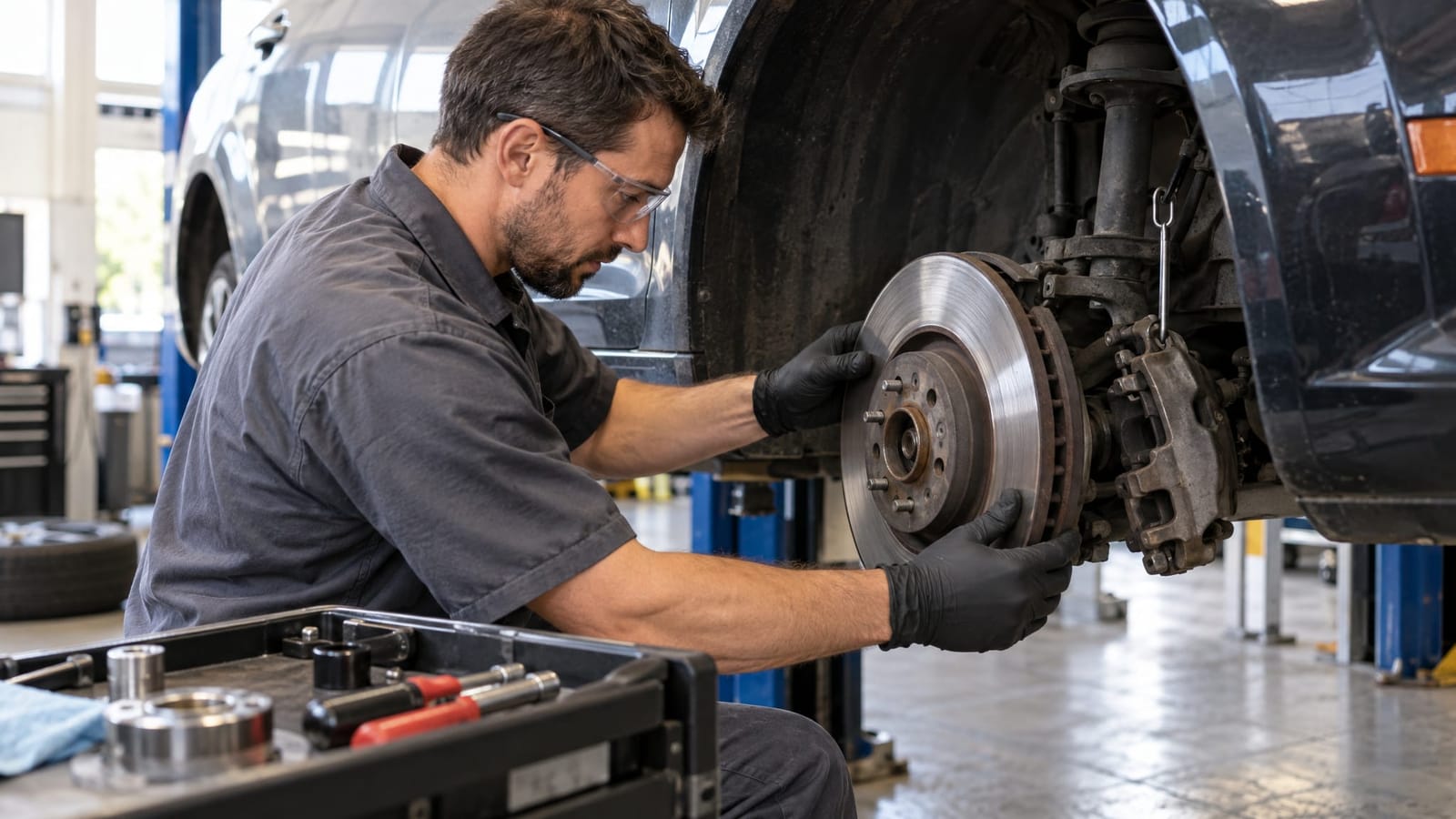
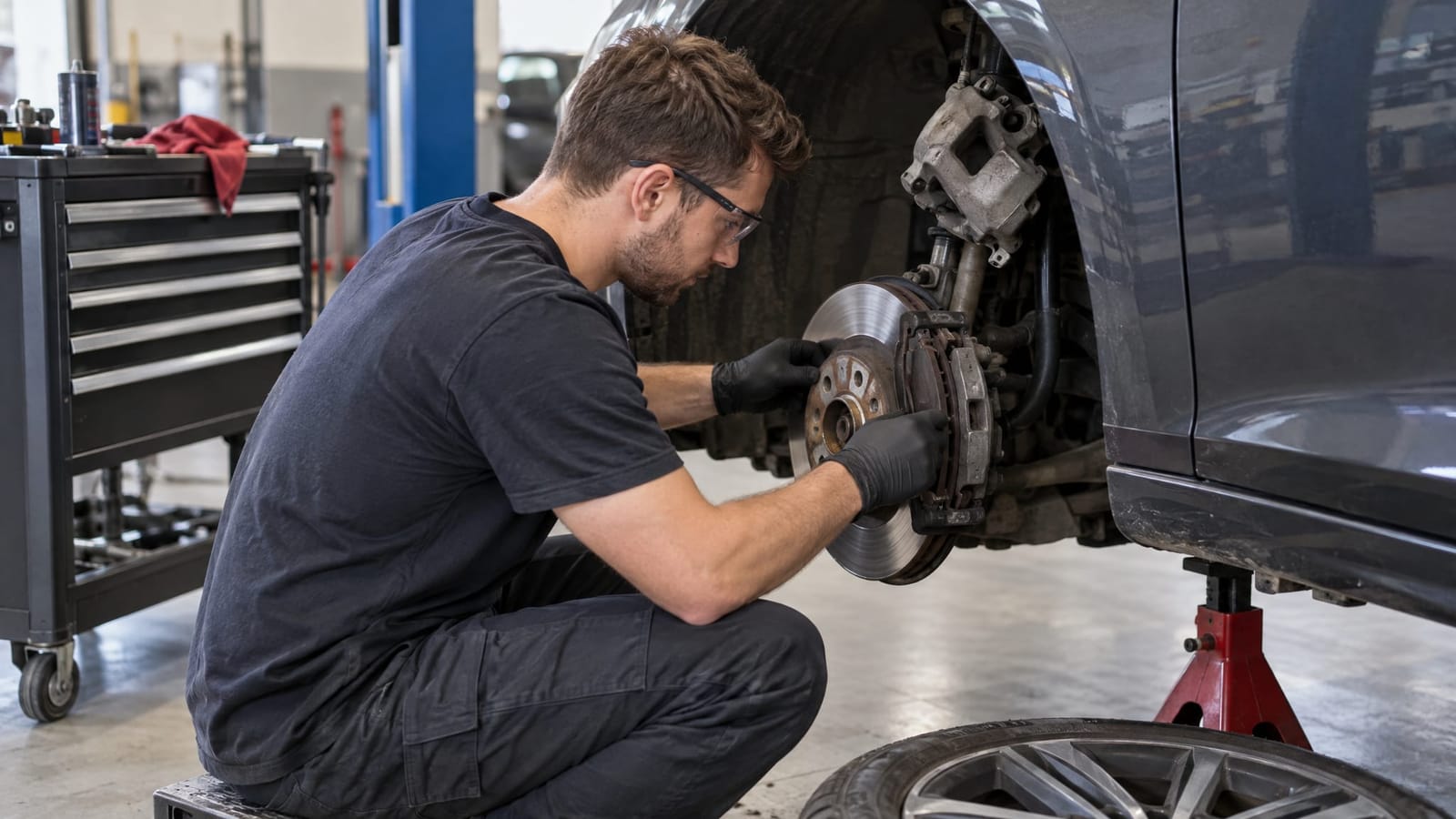
- Visible brake pad thickness on accessible wheels
- Rotor condition where visible
Exterior and Safety Components
- All exterior lighting (headlights, taillights, turn signals, brake lights)
- Wiper blade condition and streaking
- Battery voltage and cold cranking amp test results
- Visible belts and hoses under the hood
Industry data from automotive service networks suggests that digital inspections identify an average of 2 to 3 previously unknown maintenance needs per vehicle: items that owners had no awareness of before the visit. That's a meaningful benefit for anyone interested in keeping their vehicle running reliably over the long term.
Why Digital Inspections Build Trust Between You and Your Shop
One of the most important shifts that digital vehicle inspections have brought to automotive service is transparency. For decades, car owners had to take a technician's word for it when they were told something needed attention. That dynamic created understandable skepticism, and many people left service visits unsure whether a recommended repair was genuinely necessary.
Digital inspections change this entirely. When a technician flags your cabin air filter as dirty, you don't have to wonder: you can see the photo yourself and compare it to what a clean filter looks like. When your tire tread depth is measured at 3/32 of an inch (below the general 4/32-inch replacement recommendation), that number is documented in your report alongside a photo.
This level of documentation creates a healthier relationship between vehicle owners and service providers. You're not being asked to trust a recommendation blindly: you're being shown the evidence and given the opportunity to make your own informed decision. That's how a reliable, long-term service relationship should work.
The Difference Between a Recommendation and a Hard-Sell
A well-executed digital inspection report presents findings in a straightforward way without pressure. Green items are simply acknowledged as being in good shape. Yellow items are noted so you can monitor them at future visits. Red items are brought to your attention with context, not alarm. This approach respects your time, your budget, and your ability to make smart decisions about your own vehicle.
How Digital Inspections Protect Higher-Value Vehicles
For owners of newer vehicles, luxury cars, trucks, or SUVs, particularly those in the Rancho Cucamonga area where driving conditions can vary significantly between highway commutes and mountain terrain, a documented digital inspection offers a layer of protection that goes beyond the inspection itself.
These inspection reports create a service history record. Over time, you accumulate documentation showing that your vehicle was inspected regularly, that findings were tracked, and that maintenance was handled proactively. That kind of documented care history is valuable for several reasons:
- Warranty and service records: Having consistent digital inspection reports supports a documented maintenance history that some manufacturers and extended warranty providers look for.
- Resale value: A vehicle with a verifiable, well-documented service history is simply easier to sell and often commands a better price. Studies from vehicle history reporting services indicate that documented maintenance records can improve a used vehicle's perceived value by 10% or more in private sales.
- Catching wear patterns early: When the same technicians inspect your vehicle over multiple visits, small changes, a gradual drop in tire tread, early signs of fluid discoloration, are caught before they escalate.
- Peace of mind on road trips: Before a long drive, a digital inspection gives you a current snapshot of your vehicle's readiness, documented and on record.
This is especially relevant when you're also investing in full synthetic oil change benefits for a premium vehicle: combining the right oil with regular documented inspections is one of the most practical ways to protect a higher-value car over time.
Digital Inspection vs. Manual Inspection: Why the Technology Matters
It's worth understanding what sets a digital vehicle inspection apart from the older, manual approach, not to dismiss traditional methods, but to appreciate why the documentation and photo evidence make a meaningful difference for vehicle owners.
A manual inspection typically involves a technician working through a paper checklist and noting findings by hand. The results are then verbally summarized to the customer, often quickly, at the service counter. There's no visual documentation, no record sent to the customer, and no way to reference specific findings at a later date.
A digital inspection captures everything in real time with photos attached to each finding. This means:
- You have a record to reference when deciding whether to schedule follow-up work
- You can share the report with a trusted friend or family member who knows vehicles
- The shop has documentation showing exactly what was found and when
- There's no ambiguity about what the technician saw during your visit
For a more complete comparison of what each approach captures, and what manual methods are more likely to miss, see our detailed breakdown on digital inspection vs manual inspection.
Getting the Most Out of Your Digital Inspection Report
Receiving a digital inspection report is only useful if you know how to read and act on it. Here are some practical ways to make the most of this service during your next oil change visit.
Review It Before You Leave
Most shops send the report to your phone while your vehicle is still in the bay. Take two or three minutes to scroll through it before you pull out of the lot. If anything in the red or yellow category catches your eye, ask a service advisor to walk you through what it means and what timeline makes sense for addressing it.
Save Your Reports Over Time
Digital inspection reports are easy to store in your email or a folder on your phone. Keeping them organized lets you track changes over time, for example, watching brake pad thickness decrease gradually across three or four visits, so you can plan for replacement on your own schedule rather than in a rush.
Use It to Budget for Future Maintenance
Yellow-flagged items are not emergencies: they're heads-up notices. If your inspection shows that your air filter is starting to look dirty or your wiper blades are beginning to streak, you can budget for those items in your next visit without feeling caught off guard.
Treat It as a Conversation Starter
A good digital inspection report opens a dialogue. You don't have to decide anything on the spot. Use it as a starting point for a straightforward conversation about your vehicle's current needs and what can reasonably wait.
Related Details Worth Exploring
If you're interested in going deeper on specific aspects of digital vehicle inspections and what they reveal, we cover several related topics in this cluster:
- Our post on digital inspection vs manual inspection goes into detail about the specific components and conditions that photo-based documentation captures more reliably than a paper checklist.
- If you're interested in how the right motor oil choice connects to long-term vehicle health, the piece on full synthetic oil change benefits explains how premium oils and regular inspections work together to extend vehicle life.
Conclusion
A digital vehicle inspection during your oil change is one of the most practical tools available for staying informed about your vehicle's condition without needing to be a mechanic yourself. It replaces guesswork with documentation, builds a transparent service relationship, and helps you make confident decisions about your vehicle's care on your own timeline. For vehicle owners in Rancho Cucamonga who value reliable, well-maintained vehicles, this kind of visibility is genuinely useful, not just a feature, but a real benefit that shows up in how confidently you drive away from every service visit.
Ready to experience a full service oil change Rancho Cucamonga residents trust: complete with a thorough digital vehicle inspection? Stop by Rancho Express Lube and see exactly what your vehicle's condition looks like, documented and on record, before you leave our lot.