Do Wildfire Smoke and Smog Make You Replace Car Filters More Often?
If you've lived in Rancho Cucamonga or anywhere in Southern California for any length of time, you already know how quickly a wildfire season can turn clear skies into a hazy orange blur. What many drivers don't realize is that the same smoky air affecting their lungs is also working its way into their vehicles, and quietly shortening the life of both their engine air filter and cabin air filter. This tutorial walks you through exactly what happens to your filters during heavy smoke events, how to inspect them, and when wildfire smoke car air filter replacement frequency means moving up your maintenance schedule.
How Wildfire Smoke and Smog Affect Your Vehicle's Filters
Vehicle air filters, both the engine air filter and the cabin air filter, are designed to trap airborne particles before they reach sensitive components or the passenger cabin. Under normal driving conditions, they handle everyday dust, pollen, and road debris at a manageable rate.
Wildfire smoke is a different story. Smoke from wildfires contains extremely fine particulate matter, commonly referred to as PM2.5: particles so small they measure just 2.5 micrometers or less in diameter. These ultra-fine particles are dense in wildfire smoke and smog, and they load up a filter far more quickly than ordinary dust.
Here's why that matters in practical terms: a filter that might last 12 months or 12,000 miles under typical Southern California driving conditions can become partially or heavily clogged in a matter of weeks if you're driving regularly during an active wildfire event. Both your engine air filter and your cabin air filter are exposed, and both can suffer accelerated buildup during prolonged smoke exposure.
The bottom line is that wildfire smoke doesn't just change air quality for a few days: during major fire seasons, it can create sustained filter stress that makes your normal replacement schedule unreliable.
What Happens When Each Filter Gets Overloaded
Engine Air Filter
Your engine air filter sits between the outside air and your engine's intake. Its job is to block contaminants before they can enter the combustion chamber. When wildfire smoke loads this filter with fine particulate matter, airflow to the engine becomes restricted. A restricted engine air filter can reduce fuel efficiency and cause the engine to work harder than it should: neither of which is something you want, especially over weeks of heavy smoke exposure.
Unlike some maintenance items you can gauge purely by mileage, a smoke-clogged engine air filter should be evaluated visually after significant wildfire events, regardless of when you last replaced it.
Cabin Air Filter
Your cabin air filter protects the air inside your vehicle: the air your passengers breathe. During wildfire smoke events, this filter is on the front line. It's capturing the fine particles that would otherwise circulate through your heating and air conditioning system and into the cabin.
A heavily loaded cabin air filter can reduce airflow from your vents, make your AC and heat less effective, and, importantly, stop filtering as efficiently once it's saturated. Some cabin air filters include an activated carbon layer, which helps absorb smoke odors in addition to trapping particles. If you start noticing a smoky or musty smell inside your vehicle even with the windows up, that's a strong signal your cabin filter needs attention.
If you're curious whether a HEPA-style cabin air filter makes a meaningful difference for smoke filtration, that's a worthwhile question to explore, understanding whether HEPA cabin air filters are worth the extra cost can help you decide what level of protection makes sense for your situation.
Step-by-Step: Inspecting Your Filters After a Smoke Event
You don't need to be a mechanic to do a basic visual inspection on your air filters. Here's how to approach it after a major wildfire or extended smog period.
- Wait for the smoke event to clear or improve. There's no need to rush an inspection mid-event, but within a week or two after a significant wildfire smoke period, it's worth taking a look.
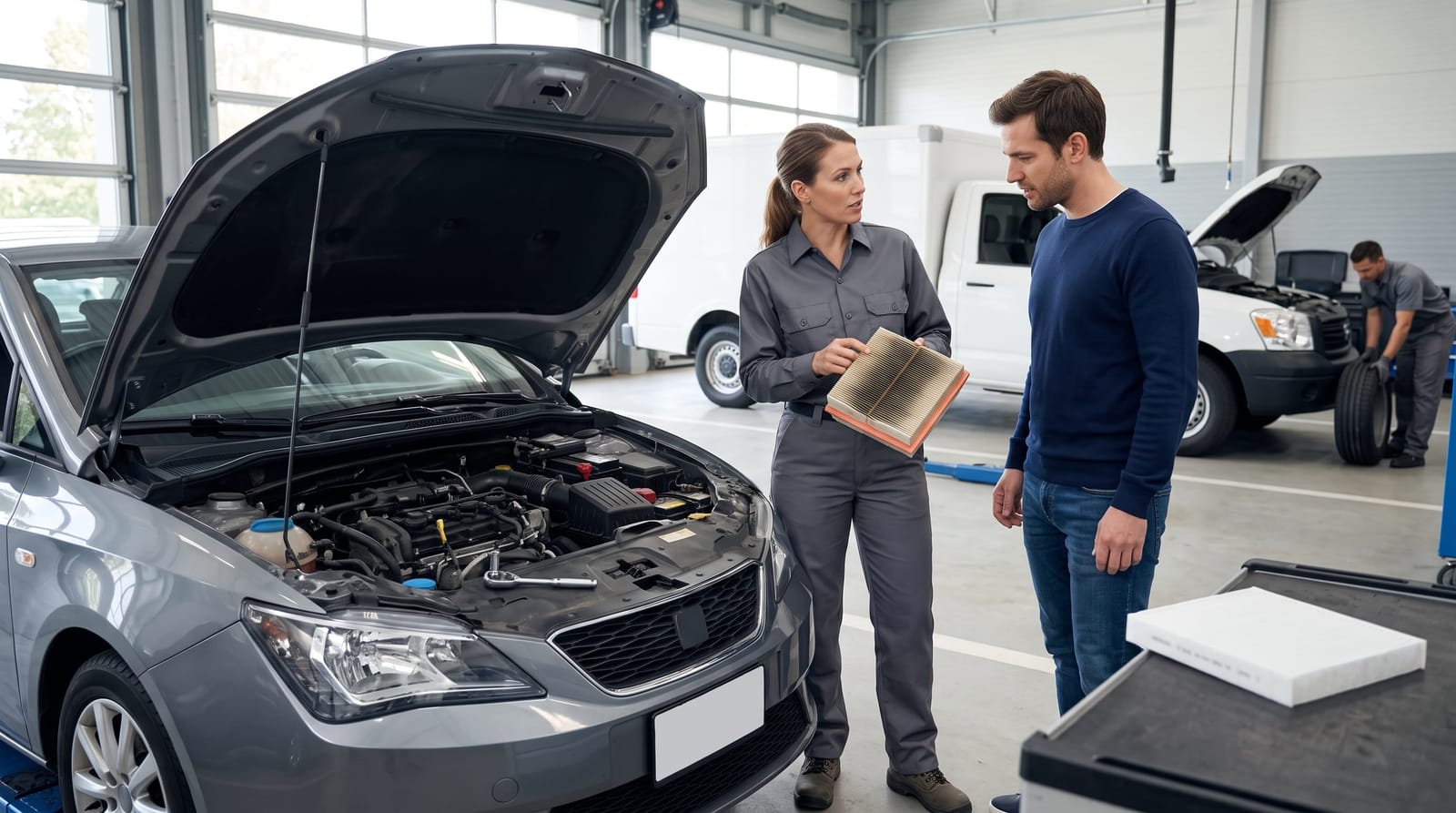
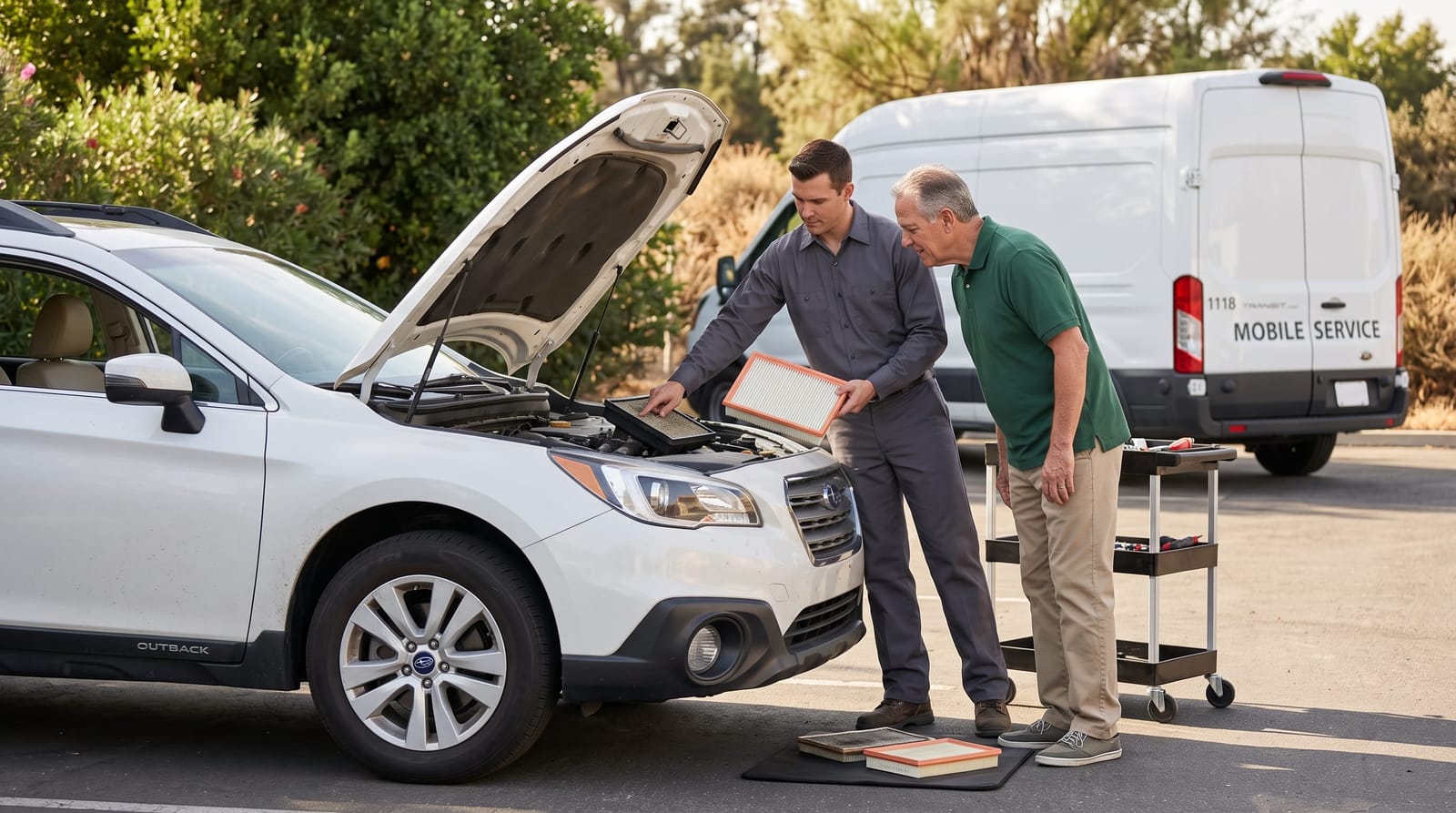
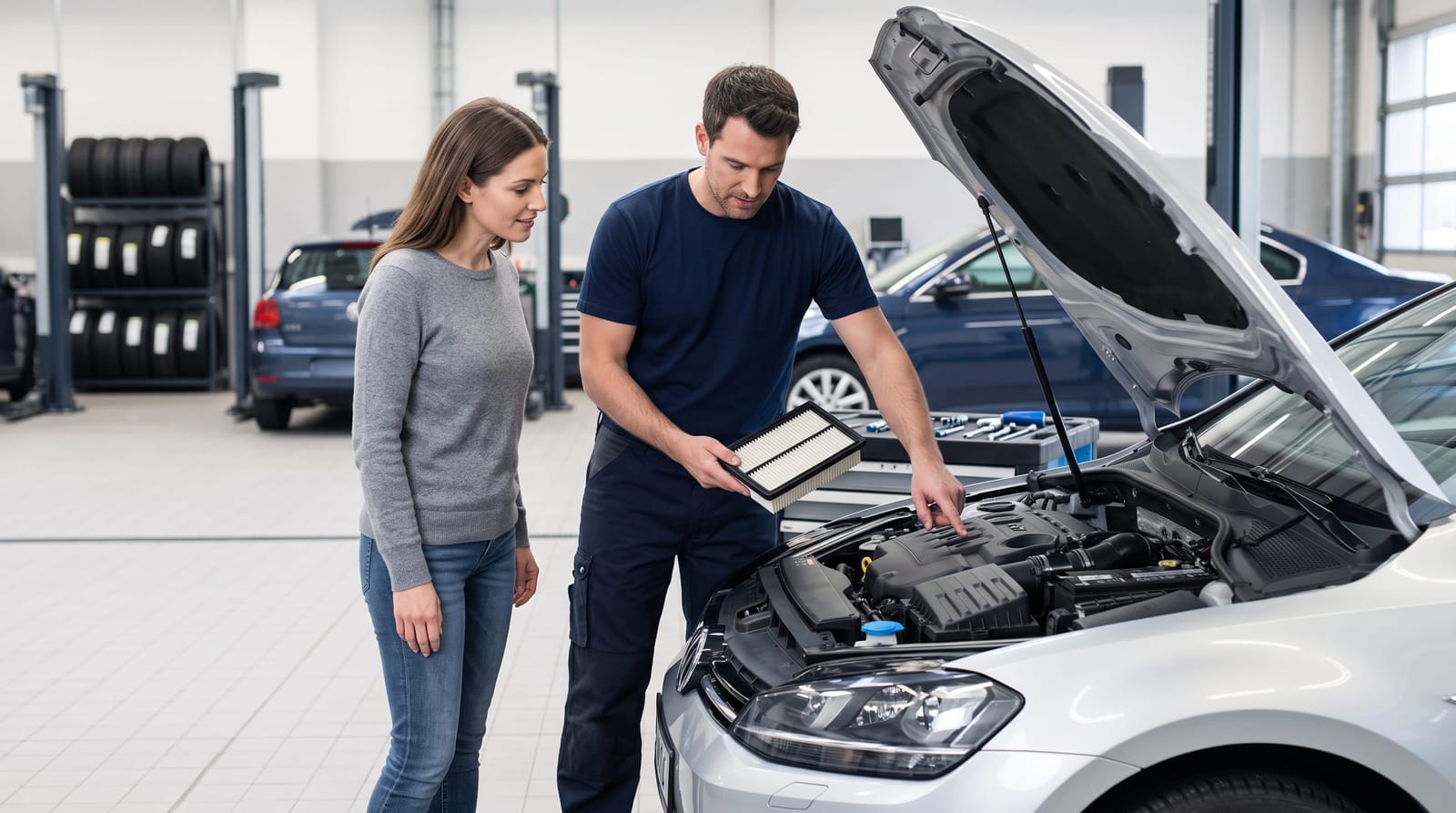
- Check your engine air filter. The engine air filter is typically housed in a black plastic box near the top of the engine, connected to a large flexible tube. Many housings can be opened by releasing a few clips. Once open, lift the filter out and hold it up to light. If it looks heavily gray, brown, or black with visible debris or particulate buildup, it's due for replacement. A filter that still shows visible white or light gray pleating with some discoloration may have some life left, but schedule it for replacement soon.
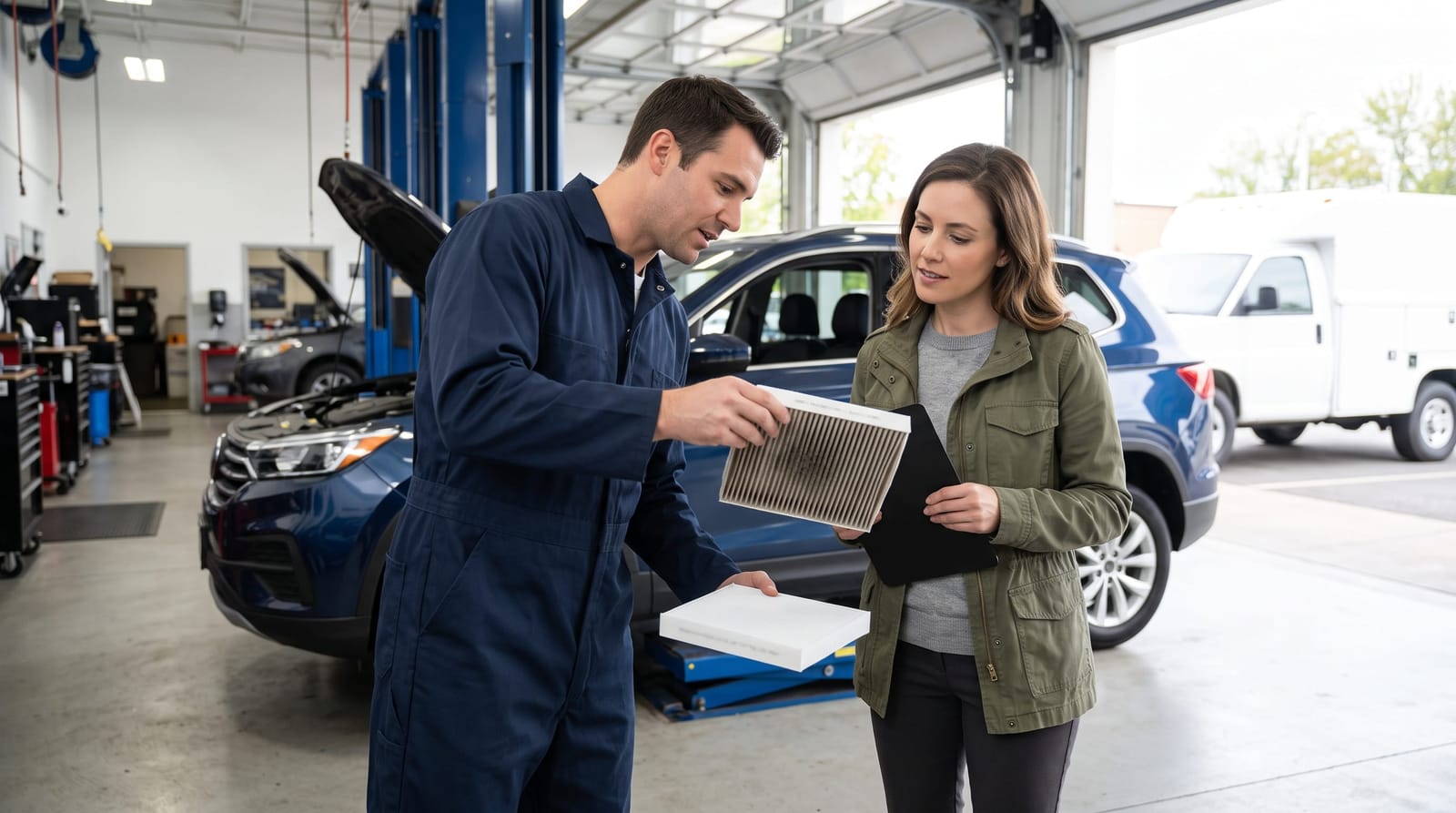
- Check your cabin air filter. The cabin air filter location varies by vehicle: it's commonly accessed through a panel behind the glove box or under the hood near the windshield. Your owner's manual will show the exact location. Pull it out and inspect it the same way: heavy gray or black buildup, matted debris, or a persistent smoky smell are all indicators it needs replacement.
- Don't attempt to clean and reinstall either filter. Both engine and cabin air filters are designed to be replaced, not cleaned and reused. Attempting to shake or vacuum them out doesn't restore their filtering ability and can actually damage the filter media.
- If you're unsure, ask a professional. A quick inspection at a trusted shop can confirm whether your filters need replacement now or have some time left.
When to Replace Filters Ahead of Your Normal Schedule
Under typical driving conditions in the Rancho Cucamonga area, most manufacturers recommend replacing the cabin air filter every 12 months or 12,000 miles, and the engine air filter on a similar or slightly longer interval. During wildfire seasons, those timelines can compress significantly.
Consider replacing your filters ahead of schedule if any of the following apply:
- Your area experienced several weeks of heavy wildfire smoke or poor air quality ratings
- You drive frequently: commuting daily during a smoke event puts much more particulate through your filters than occasional driving
- You notice reduced airflow from your vents, even on high fan settings
- There's a persistent smoky or stale smell inside the vehicle with windows closed
- Your engine air filter looks visibly dark and loaded with debris on inspection
- You haven't replaced your cabin filter in over a year and smoke season has been active
As a general guideline, inspecting both filters once per year is standard practice, but during or shortly after an active wildfire season, an additional mid-year inspection makes good sense, especially for the cabin air filter.
Practical Tips for Driving During Wildfire Smoke Events
While filter replacement handles the long-term maintenance side, there are also some straightforward habits that can help protect both your filters and the air quality inside your vehicle during active smoke events.
- Use your vehicle's recirculation mode. Most cars have a button that recirculates interior air instead of pulling in outside air. During heavy smoke, this reduces the load on your cabin air filter and limits how many smoke particles enter the cabin. Just remember that recirculation mode shouldn't be used continuously for extended periods, as it can cause the interior air to become stale.
- Keep your windows up. This seems obvious but is worth stating: your cabin air filter works best when it's the only path for air to enter.
- Don't run the air conditioning or heat on the highest fan setting unnecessarily during peak smoke days. Higher fan speeds pull more outside air through the cabin filter at a faster rate.
- Plan your filter inspection as part of your post-fire-season routine. Just as you might winterize your vehicle or check on things after a summer road trip, treating wildfire season as a maintenance trigger is a practical habit for California drivers.
Frequently Asked Questions
How often should I replace my cabin air filter during wildfire season?
Under normal conditions, most cabin air filters are designed to last about 12 months or 12,000 miles. During periods of heavy wildfire smoke, they can become clogged much faster: sometimes within a few months of heavy exposure. The best approach is to inspect the filter after any significant smoke event rather than relying solely on mileage intervals.
Does wildfire smoke affect the engine air filter as much as the cabin air filter?
Both filters can be impacted, but the cabin air filter typically sees more accelerated clogging during smoke events because it's filtering the continuous airflow into the passenger cabin. The engine air filter is also worth inspecting after a prolonged smoke period, particularly if you've been driving regularly during the event.
Can I tell if my cabin air filter needs replacement without removing it?
There are a few signs that suggest your cabin air filter may need attention without doing a formal inspection: noticeably reduced airflow from your vents even on high settings, a persistent smoky or musty smell inside the vehicle with windows closed, or increased dust on your dashboard surfaces. That said, a visual inspection is always the most reliable way to know for sure.
Do activated carbon cabin air filters help with wildfire smoke odors?
Yes, activated carbon cabin air filters include a layer of carbon material that helps absorb odors and gases in addition to capturing particulate matter. For drivers in areas regularly affected by wildfire smoke, they can offer an added layer of comfort by reducing the smoky smell inside the vehicle. However, they still need to be replaced on an appropriate schedule: carbon filters don't last indefinitely, especially under heavy smoke exposure.
Bottom Line: Wildfire Season Changes Your Filter Timeline
For drivers in Rancho Cucamonga and across Southern California, wildfire smoke car air filter replacement frequency isn't just a theoretical concern: it's a real and recurring maintenance consideration. The fine particles in wildfire smoke and heavy smog load up your engine and cabin air filters far faster than normal driving conditions do. A once-a-year inspection may not be enough during active fire seasons. Checking your filters after significant smoke events, knowing what to look for, and staying ahead of replacements are straightforward habits that protect both your vehicle and the air you breathe while driving. For more on how both engine and cabin filtration fit into your vehicle's overall maintenance picture, the complete vehicle air filtration guide covers everything in one place.