What's Included in a 30,000 Mile Service?
If your vehicle is approaching the 30,000-mile mark, you've probably seen it mentioned in your owner's manual or heard your service advisor bring it up. But what actually happens at this service interval, and why does it matter? The 30,000 mile service is one of the most important maintenance milestones for any vehicle, and understanding what's included helps you make informed decisions about your car's care. This post breaks down exactly what to expect, why each service matters, and how this milestone fits into your long-term vehicle maintenance plan.
Why the 30,000-Mile Service Is a Key Maintenance Milestone
Most automakers design their vehicles around major service intervals at 30,000, 60,000, and 90,000 miles. These aren't arbitrary numbers: they reflect how long key components typically last before they need attention or replacement. The 30,000-mile service is often called the "foundation service" because it establishes a solid baseline for everything that comes after.
By 30,000 miles, your vehicle has been through a wide range of driving conditions: hot summers, cold mornings, stop-and-go traffic, highway cruising. Fluids have aged, filters have accumulated debris, and wear on certain components has added up. Addressing all of these things at once, during a structured service appointment, is far more efficient than waiting for individual problems to surface on their own.
Keeping up with the 30,000 mile service checklist also matters for warranty purposes. Many vehicle manufacturers and extended warranty providers require documented proof of scheduled maintenance. If you skip this service and something goes wrong down the road, you may find that your warranty coverage is affected.
The Core 30,000 Mile Service Checklist
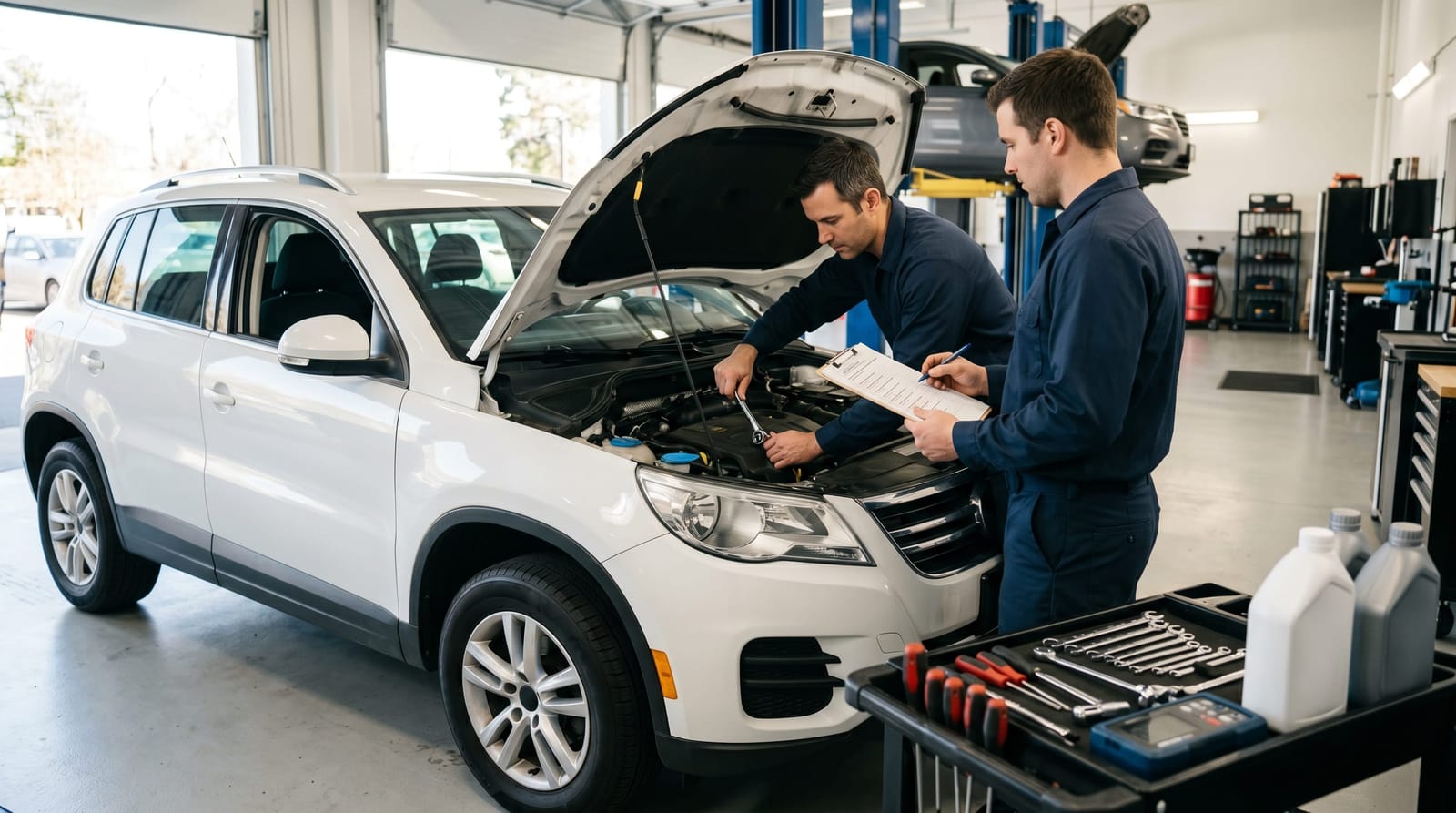
While every vehicle is different, and your owner's manual is always the most authoritative source, most 30,000-mile services include a consistent set of core tasks. Here's what's typically covered:
- Engine oil and filter change: Fresh oil is the foundation of engine health. Even if you've been keeping up with regular oil changes, the 30,000-mile service always includes a fresh change to start the milestone with clean oil.
- Tire rotation: Rotating your tires helps them wear evenly, extending their lifespan and maintaining safe handling. This is typically done every 5,000 to 7,500 miles, so it's naturally included at this service point.
- Air filter replacement: The engine air filter prevents dust, dirt, and debris from entering the engine. By 30,000 miles, most filters are due for replacement, which supports better airflow and fuel efficiency.
- Cabin air filter replacement: This filter keeps the air inside your car clean by capturing dust, pollen, and other particles. It's often overlooked but directly affects your comfort and the performance of your heating and air conditioning system.
- Fluid level inspection and top-offs: Technicians check and top off essential fluids including coolant, power steering fluid, windshield washer fluid, and transmission fluid where applicable.
- Brake fluid service: Brake fluid absorbs moisture over time, which can affect braking performance. Many manufacturers recommend a brake fluid check or change somewhere between 20,000 and 45,000 miles, making this interval a natural time to evaluate it.
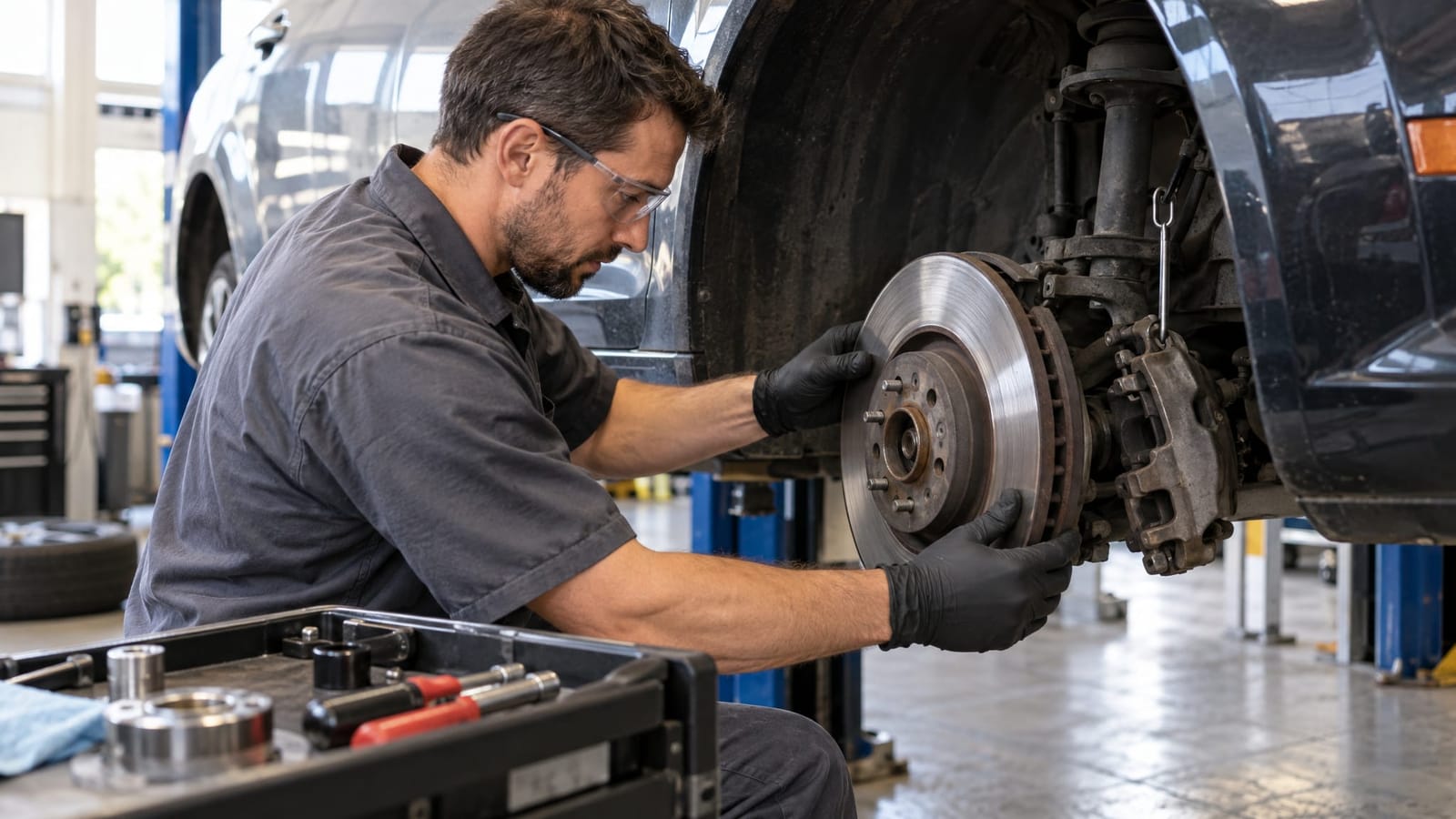
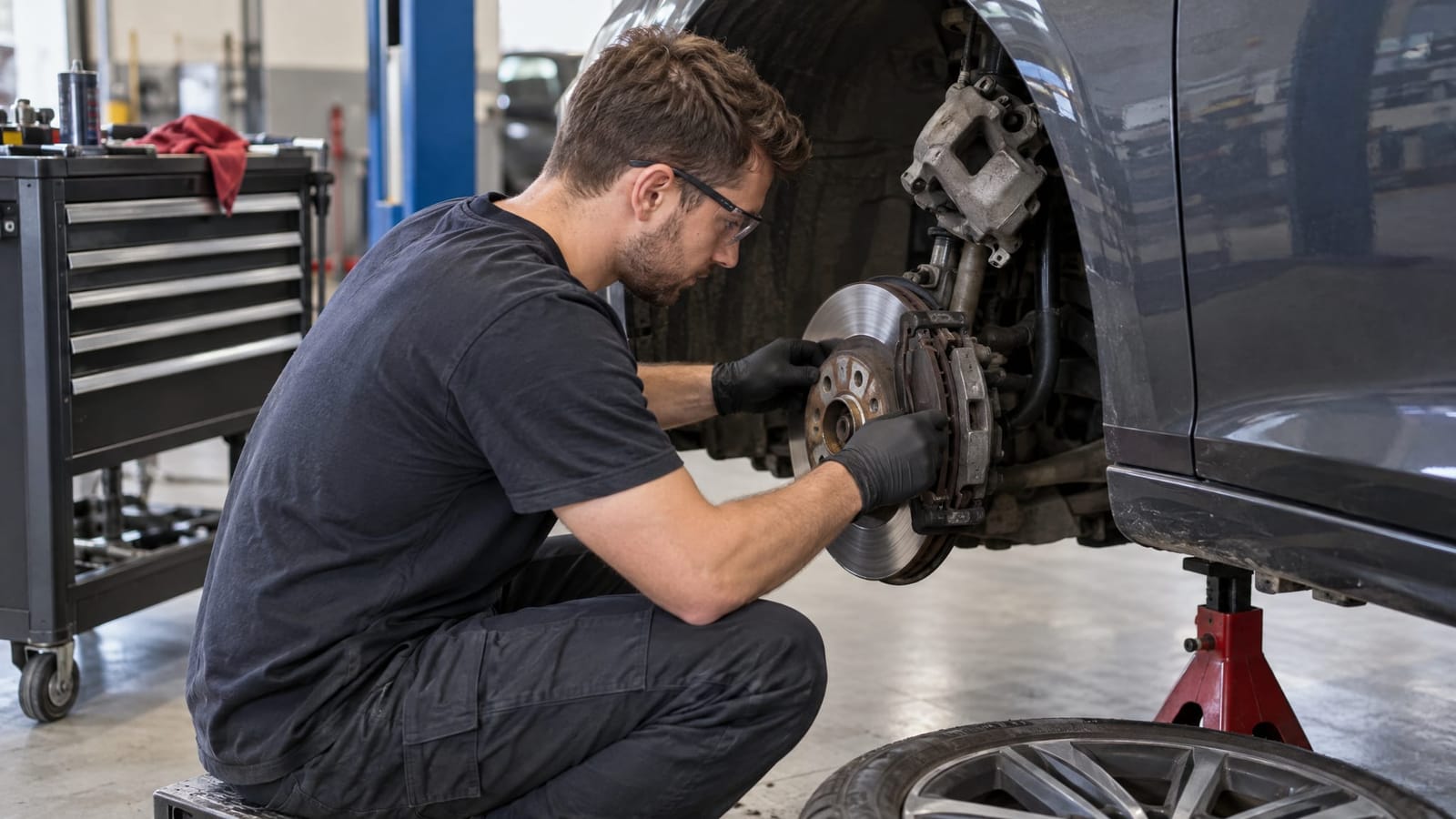
- Brake inspection: A visual inspection of your brake pads, rotors, and calipers ensures your braking system is functioning safely.
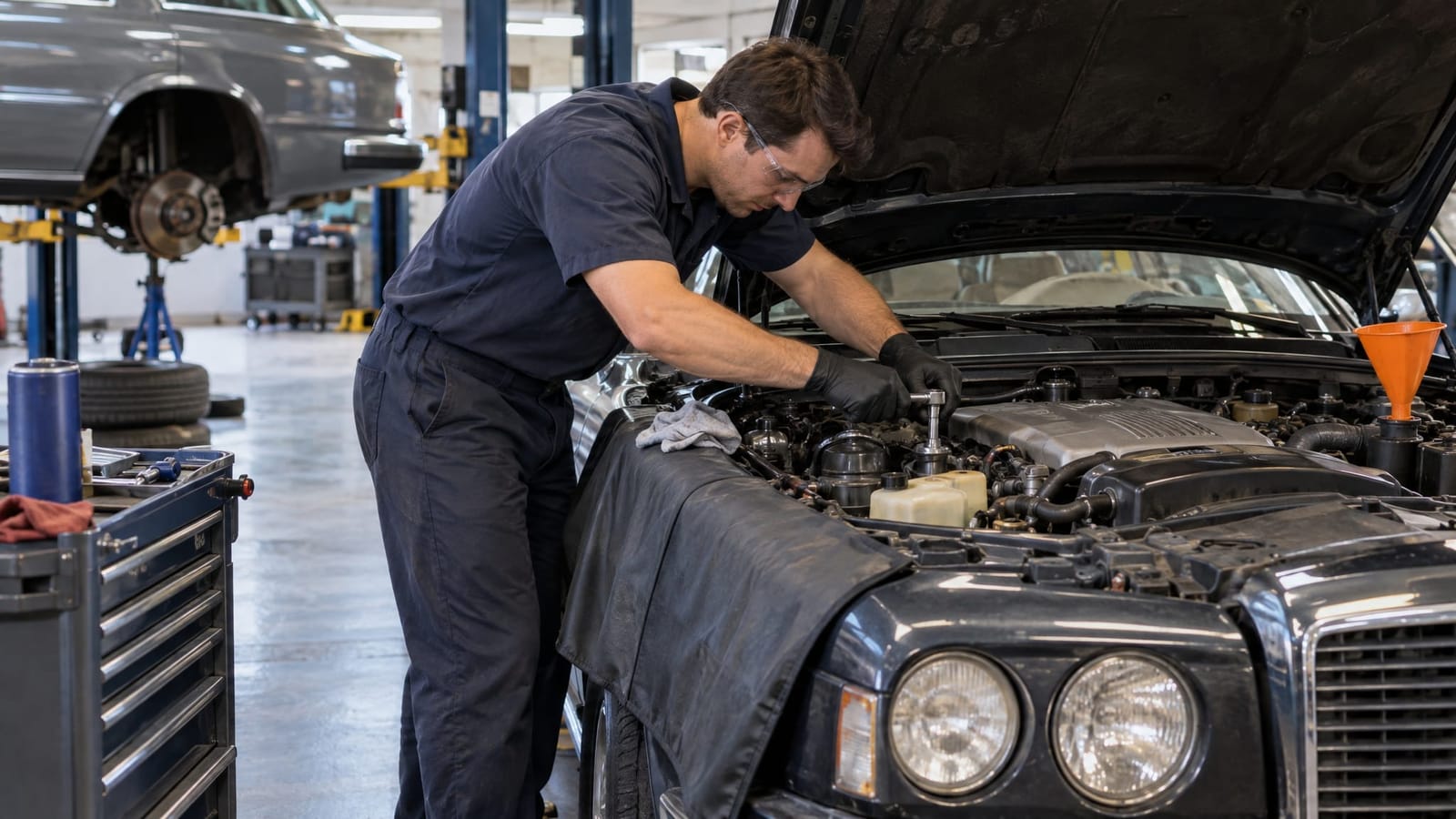
- Belt and hose inspection: Belts and hoses are critical to your engine's operation. Technicians look for signs of cracking, wear, or softness that could indicate they're nearing the end of their service life.
- Battery test: A battery that's a few years old may be close to the end of its reliable lifespan. A simple load test at this point can help you plan ahead rather than deal with an unexpected no-start situation.
- Visual safety inspection: This general walkthrough looks at lights, wipers, suspension components, and any other visible items that could affect safe vehicle operation.
Services That May Vary by Vehicle
While the checklist above covers what most vehicles need at 30,000 miles, some services depend on your specific make, model, and driving habits. It's worth reviewing your owner's manual or asking your service advisor which of the following apply to your vehicle:
- Spark plug inspection or replacement: Some vehicles with conventional spark plugs may need them replaced around this interval, while others with iridium or platinum plugs can go much longer.
- Fuel system cleaning: In vehicles that have accumulated deposits in the fuel injectors or throttle body, a cleaning service can help restore smooth performance.
- Transmission fluid change: Automatic transmission fluid replacement intervals vary widely: some manufacturers recommend it around 30,000 miles, others not until 60,000 or beyond.
- Differential and transfer case fluid (for trucks and AWD/4WD vehicles): If you drive a pickup truck or SUV with four-wheel drive, these fluid changes may fall due around this mileage.
The key takeaway is that a good service center will look at your specific vehicle's needs rather than applying a one-size-fits-all approach. If you're unsure what your car needs, your owner's manual maintenance schedule is the best starting point.
How This Service Protects Your Investment Long-Term
One of the most practical reasons to stay current with your 30,000 mile service checklist is the long-term cost savings it provides. Replacing a $20 air filter or a $30 cabin filter is much less expensive than diagnosing a performance issue caused by a clogged intake. Catching a worn belt during a routine inspection costs far less than dealing with a snapped belt on the side of the road.
This is the core idea behind any preventative car maintenance Fontana program: addressing small, manageable items before they become larger, more expensive repairs. Vehicles that receive consistent care at each major milestone tend to remain reliable for a significantly longer time, and they often hold their resale value better too.
If you drive fewer miles per year and your vehicle hasn't quite reached 30,000 miles on the odometer, it's still worth reviewing your maintenance schedule: understanding how often to service your car if you drive less than 10,000 miles per year can help you stay on track even when mileage-based intervals take longer to reach.
Frequently Asked Questions
How long does a 30,000-mile service typically take?
The time varies depending on which services are performed and the shop's workload, but most 30,000-mile services take between one and two hours. If additional services like brake fluid exchange or fuel system cleaning are included, it may take a bit longer. Calling ahead to schedule an appointment helps minimize your wait time.
Do I have to go to the dealership for my 30,000-mile service to keep my warranty valid?
In most cases, no. Federal law (the Magnuson-Moss Warranty Act) generally allows vehicle owners to have their maintenance performed at any qualified shop without voiding the manufacturer's warranty, as long as the services are performed according to the manufacturer's schedule and records are kept. Always check your specific warranty terms if you have concerns.
What happens if I skip or delay the 30,000-mile service?
Skipping this service doesn't mean your car will immediately break down, but it does mean that aging fluids, dirty filters, and worn components go unaddressed longer than recommended. Over time, this can lead to reduced performance, lower fuel economy, and a higher likelihood of preventable repairs. It can also affect warranty coverage if the vehicle manufacturer requires documented maintenance.
Is the 30,000-mile service different for newer vehicles compared to older ones?
It can be. Newer vehicles often use synthetic oils, longer-lasting spark plugs, and more durable fluids that extend service intervals. Older vehicles, especially those with higher overall mileage, may benefit from more thorough inspections and additional fluid services. Your owner's manual and a trusted service advisor are the best resources for determining exactly what your vehicle needs.
Keeping Your Vehicle on the Right Track
The 30,000-mile service is a straightforward but genuinely important part of responsible vehicle ownership. It covers the essential maintenance items your car needs to stay reliable, efficient, and safe, and it sets the stage for the 60,000 and 90,000-mile services ahead. Whether you drive a daily commuter, a family SUV, or a work truck, staying current with your 30,000 mile service checklist is one of the simplest ways to protect your investment and avoid surprises. When your vehicle reaches this milestone, bring it in and let a trusted technician walk through the full checklist with you.