How Can Preventative Maintenance Save Money on Expensive Car Repairs?
If you've ever been surprised by a large repair bill, you're not alone. Many vehicle owners don't think about car care until something stops working, and by then, the cost can be significant. As part of a broader preventative car maintenance strategy, understanding the financial side of routine service can change the way you think about your vehicle. This post breaks down exactly how preventative maintenance saves money, with real-world comparisons that make the value clear and easy to understand.
The Basic Idea: Small Costs Now vs. Large Costs Later
Preventative maintenance works on a simple principle: addressing small issues before they become big ones. Most major vehicle failures don't happen out of nowhere: they develop gradually from neglected service items. A worn drive belt, low coolant, or degraded transmission fluid can all contribute to serious mechanical damage over time. Catching these things early costs far less than repairing the damage they cause.
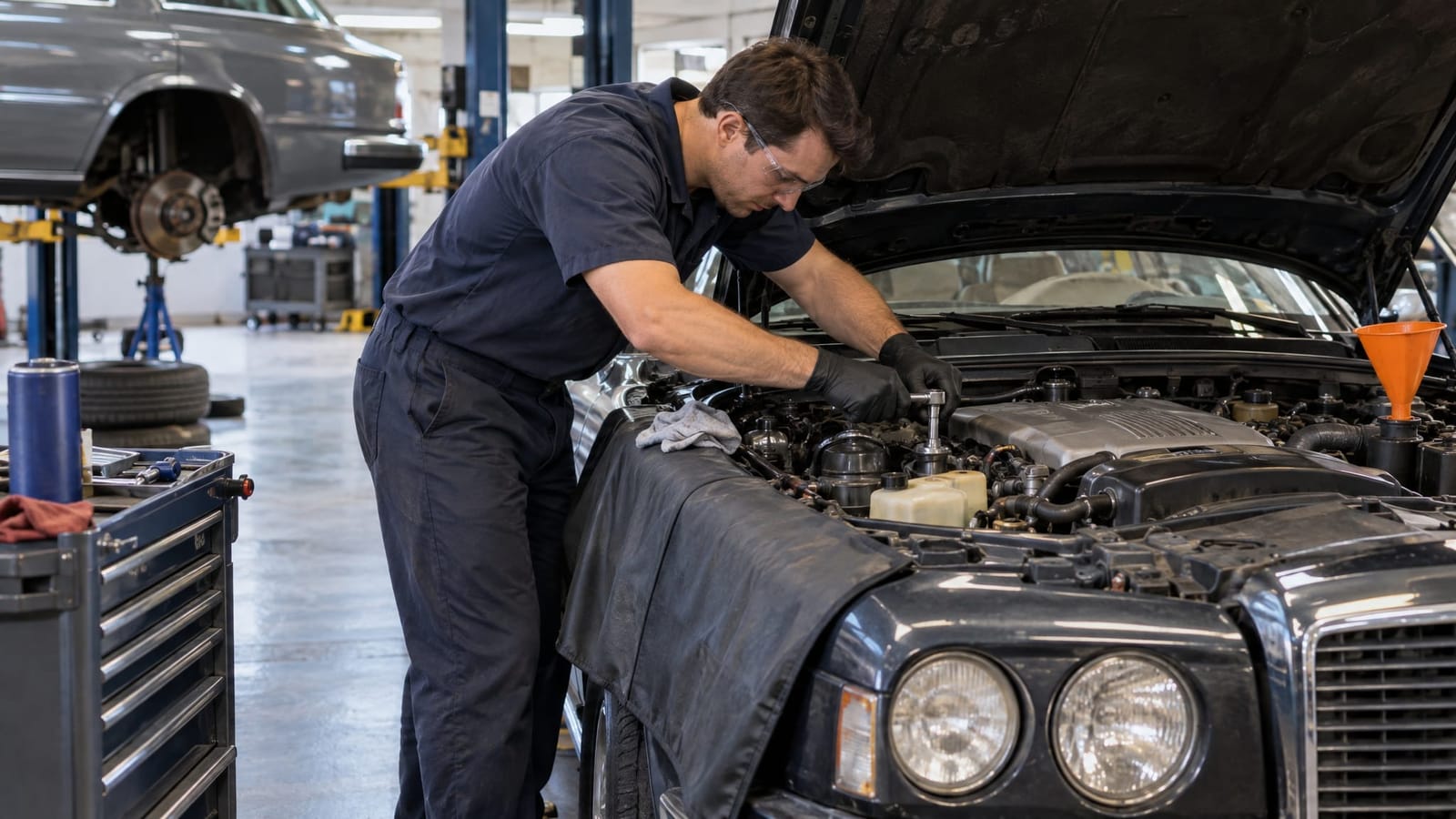
Consider a routine oil change, which typically costs between $40 and $80 depending on your vehicle and the type of oil used. Skipping oil changes causes engine oil to break down and lose its ability to lubricate properly. Over time, this leads to increased engine wear. A partial engine repair can cost $1,500 to $4,000, while a full engine replacement on a mid-size vehicle can run anywhere from $4,000 to $10,000 or more. The math is straightforward: a few oil changes a year is a fraction of what you'd spend dealing with the consequences of skipping them.
This pattern holds true across nearly every system in your vehicle. Preventative care isn't about spending money unnecessarily: it's about spending smaller amounts strategically so you avoid larger, unplanned expenses down the road.
Common Repairs That Preventative Maintenance Helps You Avoid
Some of the most expensive automotive repairs are also some of the most preventable. Here's a look at how routine maintenance connects to keeping those large bills out of your life:
- Cooling system failures: Coolant flushes are typically recommended every 30,000 to 50,000 miles. Neglecting this allows the coolant to become acidic and corrode internal components. A blown head gasket, one result of overheating, can cost $1,500 to $3,000 to repair. A coolant service costs a fraction of that.
- Transmission damage: Transmission fluid degrades over time and loses its ability to protect the internal components that allow your vehicle to shift smoothly. A transmission fluid service is relatively affordable. A full transmission rebuild or replacement, on the other hand, can run $2,500 to $5,000 or more.
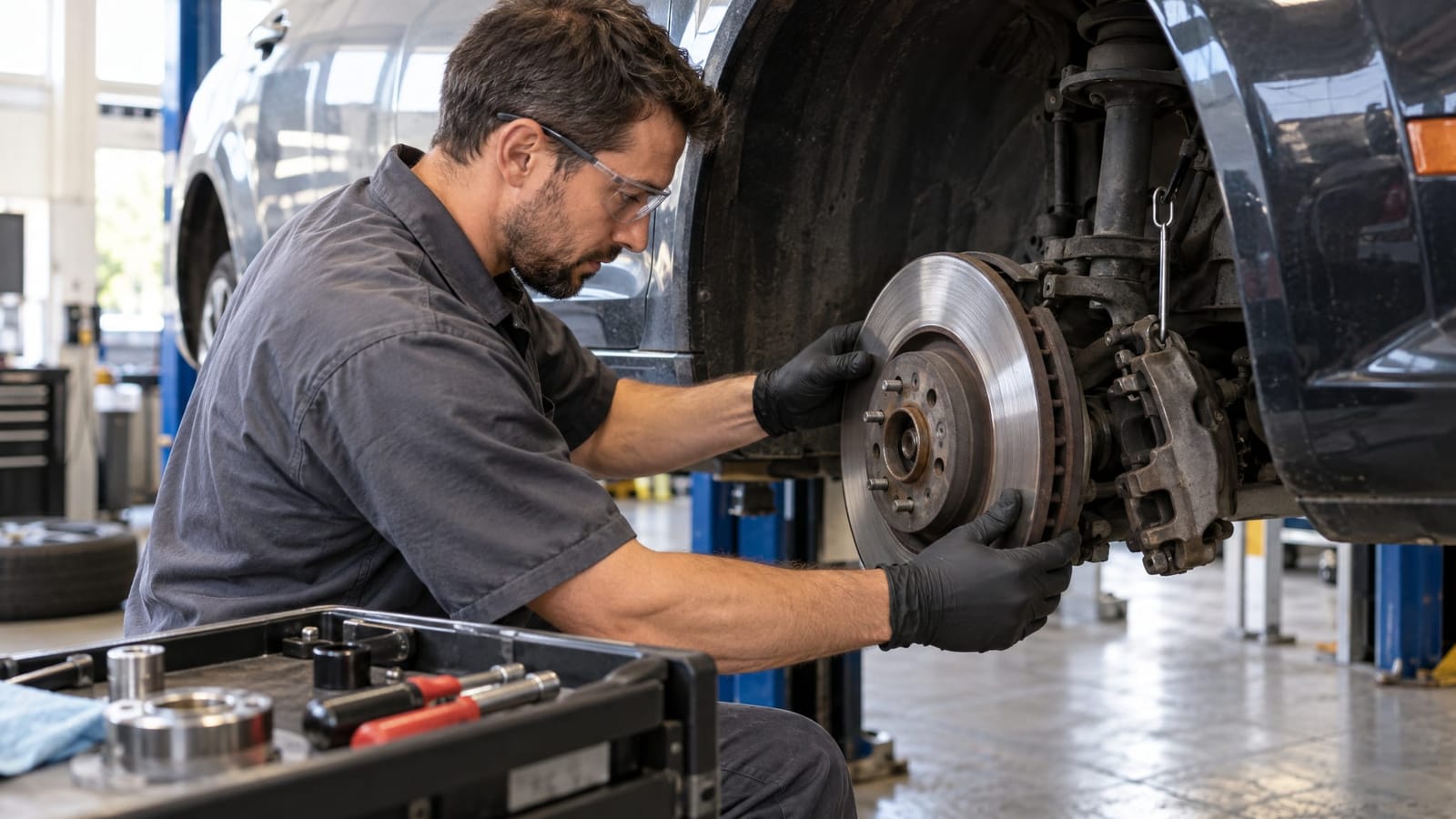
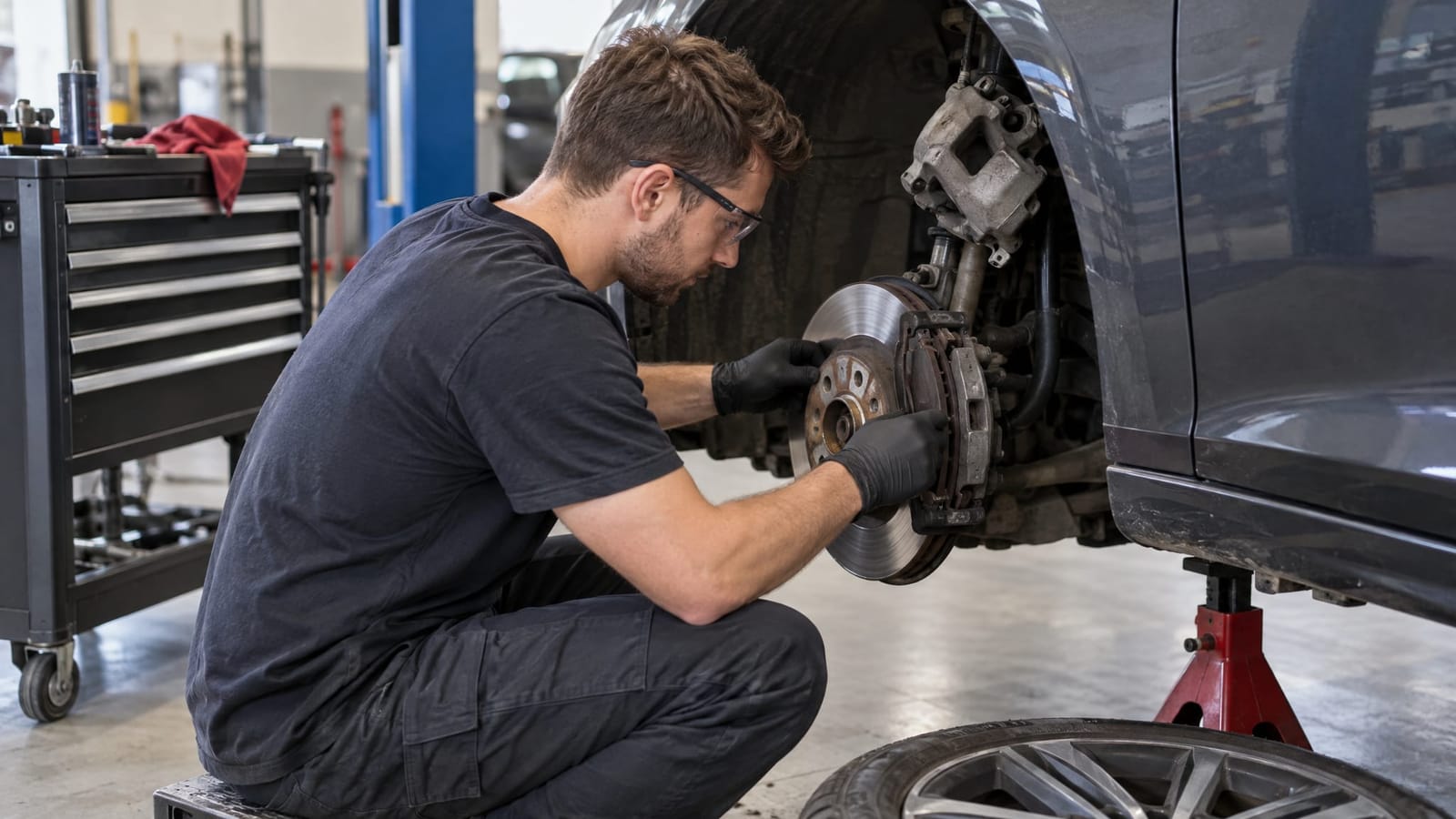
- Brake system wear: Routine brake inspections catch worn pads before they damage rotors. Replacing brake pads alone is significantly less expensive than replacing pads and rotors together: a cost that doubles or triples when the issue goes unaddressed.
- Tire wear and alignment: Keeping tires properly inflated and aligned extends their life considerably. Replacing a full set of tires prematurely due to uneven wear is an avoidable expense when routine tire rotations and pressure checks are part of your regular service schedule.
- Battery failure: A routine battery test can identify when a battery is weakening. Replacing a battery proactively costs $100 to $200. Getting stranded and needing a tow or emergency service can add another $75 to $150 on top of the battery cost, plus the inconvenience.
None of these scenarios are meant to alarm you: they're simply honest examples of how regular attention to your vehicle's needs keeps costs predictable and manageable.
Understanding the ROI of Preventative Care for Your Vehicle
Return on investment, or ROI, is a term usually associated with business decisions, but it applies equally well to vehicle ownership. When you spend money on routine maintenance, you're making an investment in your vehicle's reliability, lifespan, and resale value.
Let's look at this from a practical angle. The average annual cost of routine preventative maintenance for a standard passenger vehicle, including oil changes, tire rotations, fluid checks, filter replacements, and inspections: typically falls between $500 and $900 per year. That's a reasonable, budgeted expense that most vehicle owners can plan for.
Compare that to the cost of reactive repairs. According to industry data, vehicle owners who skip routine maintenance spend significantly more on emergency repairs and unplanned breakdowns over the life of their vehicle. Some estimates suggest that for every dollar spent on preventative maintenance, vehicle owners avoid several dollars in future repair costs.
Beyond repair costs, there's also resale value to consider. A vehicle with a documented maintenance history, one where service records show consistent, scheduled care, is more attractive to buyers and typically commands a higher price. If you're driving a higher-value vehicle like an SUV, truck, or luxury sedan, that difference in resale value can be substantial.
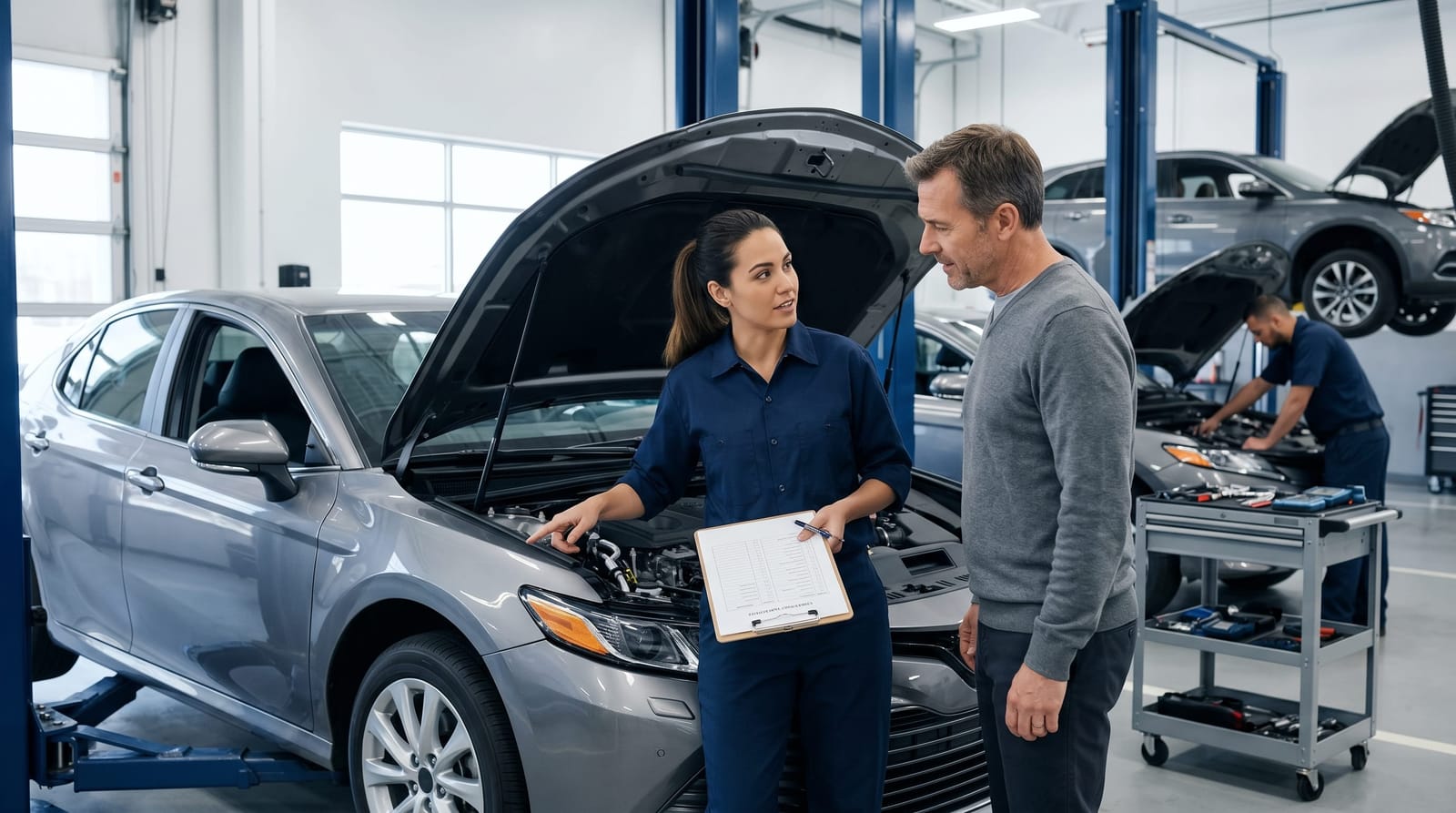
Knowing what does multi point inspection include is a helpful starting point for understanding how a thorough routine check can catch developing issues early, before they become costly repairs.
How to Build a Cost-Effective Maintenance Routine
The most financially sound approach to vehicle ownership is consistency. You don't need to spend a lot at once: you just need to stay on schedule with the services your vehicle actually needs.
Here are some practical steps to help you build a maintenance routine that works for your budget:
- Follow your manufacturer's service intervals. Your owner's manual outlines recommended service milestones: oil changes, filter replacements, fluid services, and more. These intervals are based on your specific vehicle's engineering and are a reliable guide.
- Keep service records. Whether digital or paper, tracking what's been done and when helps you stay ahead of upcoming services and gives you documentation for resale purposes.
- Address small issues promptly. If a technician identifies a developing concern during a routine visit, a slightly worn belt, a filter that's getting close to the end of its life, taking care of it during that visit is almost always less expensive than waiting until it becomes urgent.
- Choose a shop you trust for routine visits. Building a relationship with a reliable service provider means your vehicle gets consistent attention from people who know its history. It also makes it easier to catch recurring patterns that might signal a developing issue.
- Don't wait for warning lights. Dashboard warning lights are your vehicle's way of telling you something has already changed. Routine checks help catch problems before they reach that point.
Frequently Asked Questions
How much money can preventative maintenance actually save over the life of a vehicle?
The savings vary depending on the vehicle, driving habits, and how consistently maintenance is performed, but the difference is meaningful. Vehicle owners who stay current with routine service generally spend less overall on repairs and avoid the most expensive mechanical failures. Over the course of a vehicle's life, consistent preventative care can save thousands of dollars compared to a reactive approach.
Is preventative maintenance worth it for older vehicles with higher mileage?
Yes, in many cases, it's even more important. Older and higher-mileage vehicles have parts that are naturally closer to the end of their service life. Staying on top of maintenance helps identify worn components before they fail and gives you better control over repair timing and costs. It also helps extend the usable life of a vehicle you've already paid for.
What's the most important maintenance item for protecting my engine?
Regular oil changes are consistently one of the highest-impact maintenance items for engine health and longevity. Engine oil lubricates moving parts, manages heat, and keeps internal components clean. Staying on schedule with oil changes, using the right oil type and weight for your vehicle, is one of the simplest and most effective ways to protect your engine from premature wear.
How do I know which maintenance services my vehicle actually needs?
Your owner's manual is the best starting point: it outlines manufacturer-recommended services by mileage or time intervals. A multi-point inspection at a trusted shop can also provide a current assessment of your vehicle's condition and help you prioritize which services make sense given your vehicle's age, mileage, and driving conditions.
Staying Ahead Keeps More Money in Your Pocket
Preventative maintenance isn't about spending more on your vehicle: it's about spending smarter. Routine service costs are predictable, manageable, and consistently less expensive than the repairs they help you avoid. Whether you're protecting a daily commuter or a higher-value vehicle you plan to drive for years, a consistent maintenance routine is one of the most practical financial decisions you can make as a vehicle owner. At Rancho Express Lube, we're here to help you stay on schedule and keep your vehicle running reliably, without surprises.