How Much Does Suspension Repair Cost?
Suspension repair cost is one of the first questions vehicle owners ask when something feels off with their ride, whether that's a bumpy highway drive, a pulling steering wheel, or an unusual clunking sound over speed bumps. Costs vary widely depending on what needs to be fixed, the type of vehicle you drive, and whether you're replacing one component or addressing the system as a whole. This guide breaks down what you can realistically expect to pay, what factors influence pricing, and how to make sure you're getting genuine value from the work done.
What Is the Typical Range for Suspension Repair Cost?
Suspension repair cost doesn't follow a single flat rate: it depends heavily on which components need attention. Here's a practical breakdown of what most vehicle owners encounter:
- Basic component repairs (bushings, sway bar links, ball joints): $150-$400 per component, depending on parts and labor time
- Shock or strut replacement: $400-$900 for a pair, including parts and labor
- Control arm replacement: $300-$700 per arm
- Full suspension overhaul: $1,500-$5,000 or more, depending on vehicle type and scope of work
For standard commuter vehicles, most suspension repair costs fall between $150 and $800 for targeted repairs. Luxury vehicles, trucks, or vehicles with electronic or air suspension systems often fall at the higher end of the range, sometimes exceeding $2,000 for a single repair area, simply because the parts are more specialized and the labor more involved.
It's also worth noting that suspension repair cost rarely ends with just the component itself. Wheel alignment is almost always recommended after suspension work, and skipping it typically leads to uneven tire wear and handling issues that cost more money down the road. Budget $80-$150 for alignment as part of the overall service.
What Factors Affect Suspension Repair Cost the Most?
Understanding why suspension repair costs vary helps you evaluate quotes with confidence rather than guesswork. These are the most common factors that move the price up or down:
Vehicle Type and Make
Luxury vehicles, think BMW, Mercedes-Benz, Audi, or Lexus, often use more sophisticated suspension designs with electronically controlled components. Parts for these vehicles are pricier than those for a standard sedan, and the labor requires more familiarity with those systems. A strut replacement on a Lexus RX will cost noticeably more than the same job on a Toyota Corolla.
Which Components Need Replacement
Not all suspension components carry the same price tag. A worn sway bar end link is an inexpensive fix. A failed air suspension compressor or a damaged control arm with integrated bushings is a more involved repair. The more complex the component, in terms of parts cost and installation time, the higher the suspension repair cost.
How Many Components Are Addressed
Suspension parts tend to wear together, especially on higher-mileage vehicles. If one strut is worn, the other side often isn't far behind. Replacing components in pairs (both front struts, for example) adds to the upfront cost but typically saves money compared to coming back for the second side a few months later.
Labor Rates in Your Area
Labor rates vary by region and shop type. Dealership service departments generally charge more per hour than independent shops. In areas like Chino Hills and the surrounding Inland Empire, you'll typically find competitive labor rates at reputable independent shops without sacrificing quality or experience.
Repair vs. Replacement: Which Makes More Financial Sense?
One of the most common questions around suspension repair cost is whether it makes more sense to repair a specific component or replace the broader assembly. The honest answer depends on the age of the vehicle, the mileage, and what the inspection reveals.
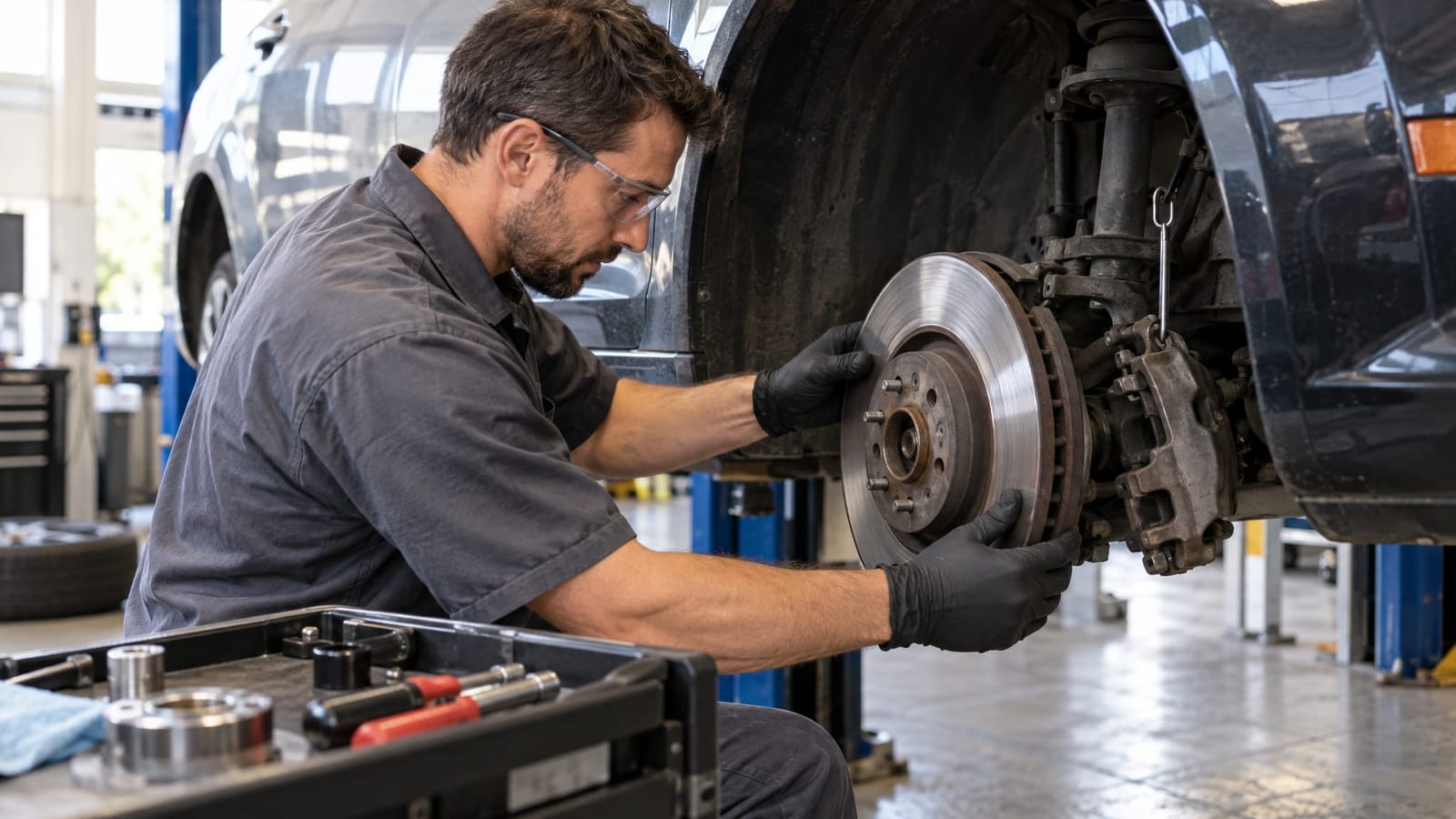
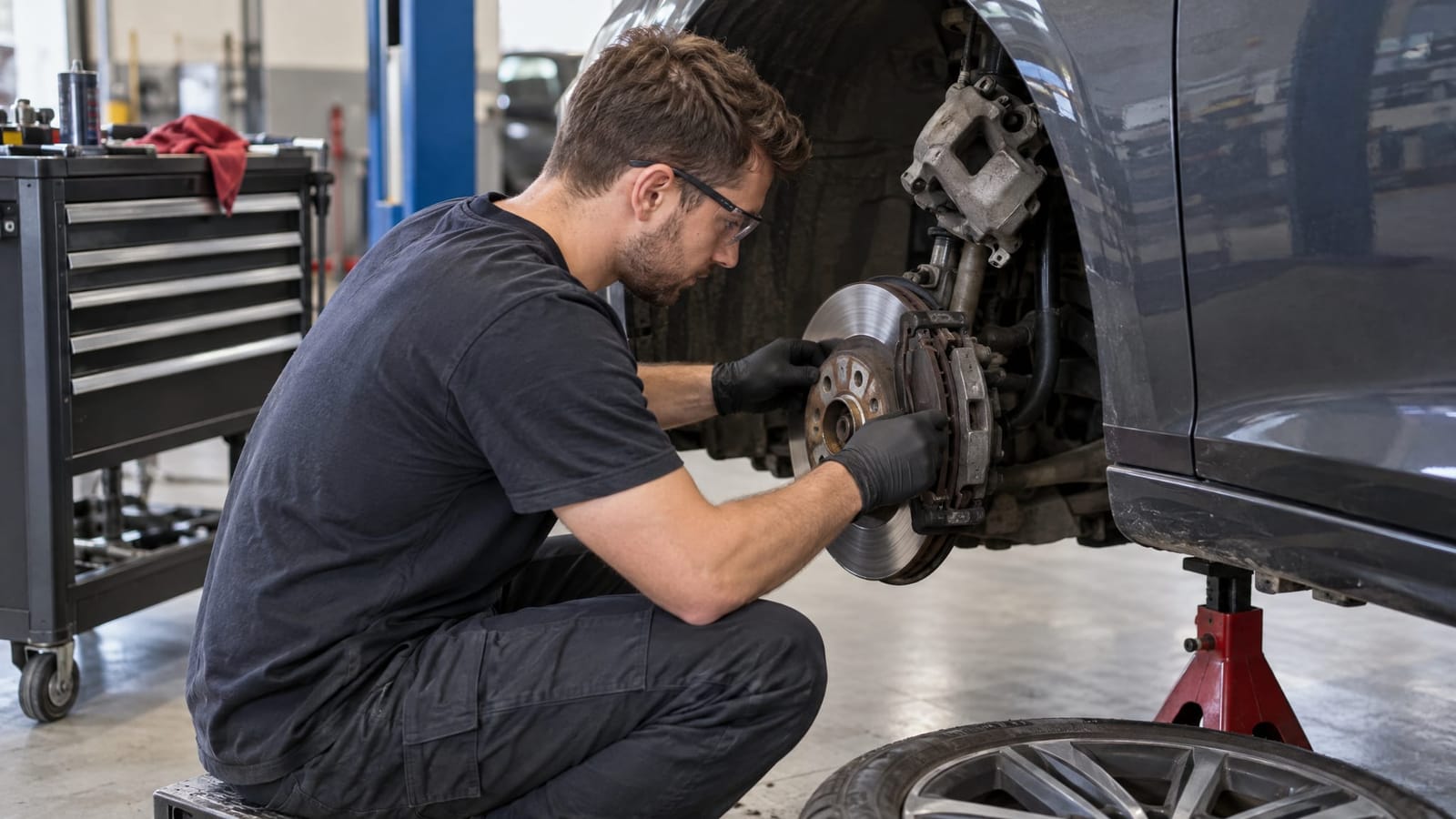
For example, a strut assembly includes the strut itself, the spring, and the mount hardware. In some cases, only the strut insert has failed. A technician can replace just the insert, which costs less. But if the spring is also showing wear or the mount is corroded, replacing the complete assembly often makes more long-term sense: you pay more upfront but avoid returning for additional repairs within a year or two.
For high-value vehicles or commercial fleet vehicles where reliability directly affects business operations, addressing suspension issues comprehensively tends to offer better overall value than patching problems one at a time. A proper inspection will help identify whether you're dealing with an isolated issue or early signs of broader wear.
If you're not sure whether your vehicle's shocks are worn enough to warrant replacement, this guide on signs shocks need replacement can help you identify what to look for before your next service appointment.
Does Vehicle Mileage Change the Suspension Repair Cost Equation?
Yes, and in a practical way worth understanding. On a vehicle with 30,000 miles, a single failed component is often an isolated issue. On a vehicle with 90,000 to 120,000 miles, multiple suspension components may be approaching the end of their service life at the same time. In this case, the smartest approach is often a thorough inspection so that all worn parts can be identified and addressed in a single visit rather than a series of separate repairs.
Scheduling multiple repairs together typically reduces total labor cost because the technician doesn't have to return to the same area of the vehicle multiple times. It also reduces the number of alignment services required, since alignment is generally needed after any suspension work regardless of how many parts were replaced in that session.
Understanding the difference between shocks and struts is also helpful when reviewing a repair estimate: these two components serve different structural roles, and knowing which one your vehicle uses helps you understand what's actually being repaired and why the pricing reflects that.
How to Evaluate Whether a Suspension Repair Quote Is Fair
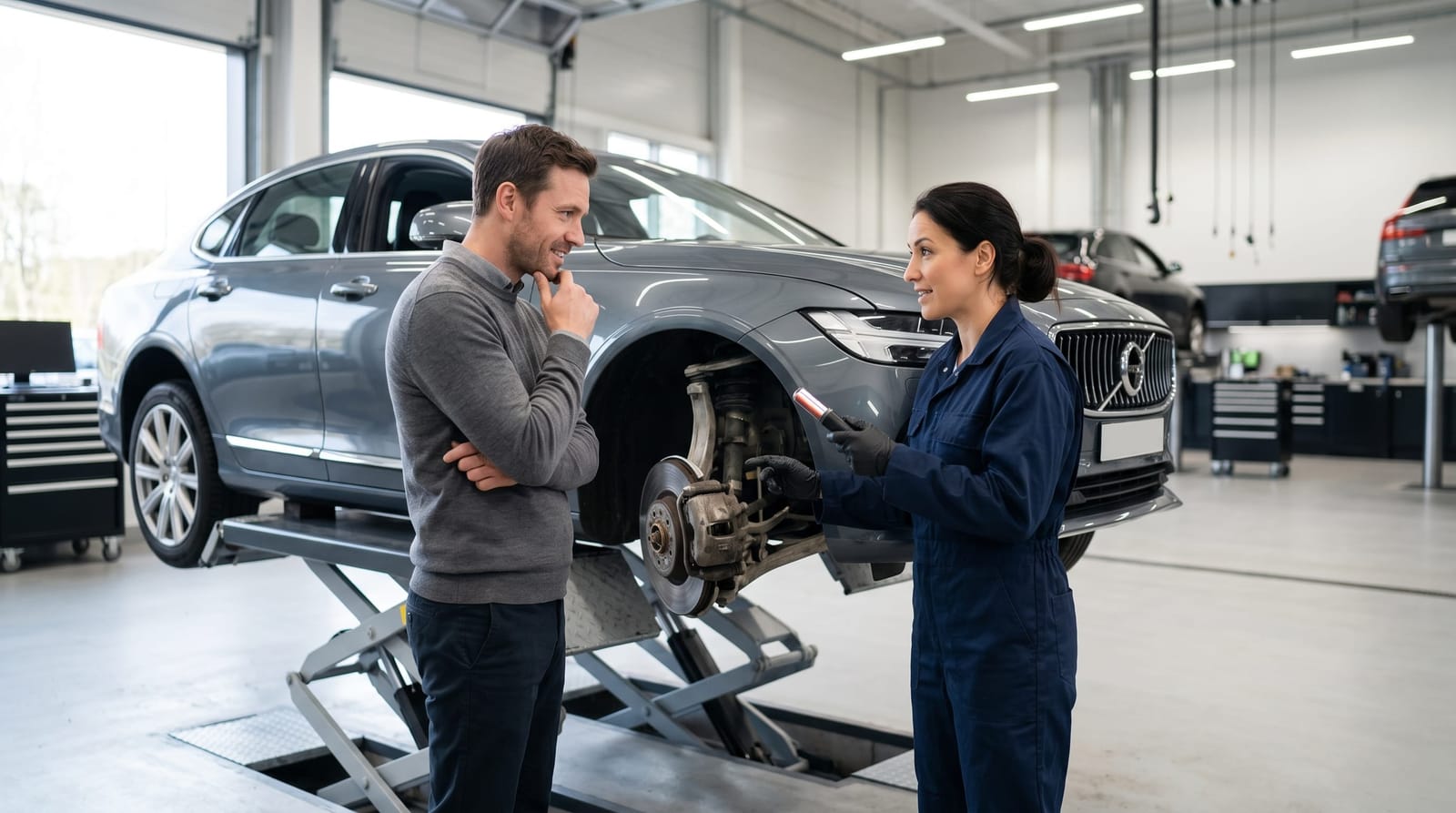
Getting a clear, itemized estimate is the best starting point. A trustworthy shop will break down parts cost separately from labor, list the specific components being replaced, and explain why each repair is recommended. Here's what to look for:
- Itemized parts and labor: You should be able to see exactly what parts are being used and what the labor charge covers
- OEM or quality aftermarket parts: Ask whether the parts are original equipment manufacturer (OEM) grade or quality aftermarket: both can be appropriate, but you should know what you're getting
- Alignment included or recommended: Any honest estimate for suspension work should include or at least recommend a post-repair alignment
- Written warranty on parts and labor: A reputable shop stands behind the work they do
If a quote seems unusually low, it's worth asking whether alignment is included and what quality of parts will be used. If a quote seems high without a clear explanation, ask for a line-by-line breakdown. A shop confident in their pricing will have no problem walking you through it.
Frequently Asked Questions About Suspension Repair Cost
Is suspension repair cost covered by car insurance?
In most cases, no. Suspension repairs from normal wear and aging are considered maintenance and are not covered by standard auto insurance policies. If the damage resulted from a covered accident, collision coverage may apply to suspension components damaged in the impact. Review your policy or contact your insurer if the damage is accident-related.
Can I drive my vehicle with a suspension problem to save money on towing?
It depends on the severity. Minor wear on shocks or bushings may allow short-distance driving to a shop. However, if a component has failed completely, a broken spring, a separated ball joint, or a collapsed strut, driving the vehicle is not advisable. Beyond the safety concern, continued driving can cause additional damage that increases the total suspension repair cost.
Why does suspension repair cost more on luxury vehicles?
Luxury vehicles often feature more complex suspension designs, including air suspension, adaptive damping systems, or electronically controlled components, that require specialized parts and more labor time to service correctly. The parts themselves are also more expensive to source. This is true for both domestic and imported luxury models.
Should I replace shocks and struts in pairs?
Generally, yes. Even if only one side shows obvious wear, replacing suspension components in pairs ensures balanced handling and prevents uneven wear on tires and related components. It also reduces the likelihood of needing to schedule the same type of repair again in the near future, which saves on overall suspension repair cost over time.
Getting the Right Value from Suspension Service
Suspension repair cost is rarely a one-size-fits-all number, but understanding the key factors, vehicle type, component complexity, mileage, and what the inspection reveals, helps you approach any estimate with confidence. For most vehicle owners, addressing suspension issues promptly rather than waiting tends to keep total costs lower over time. Whether you're managing a single-vehicle household or keeping a fleet running reliably, professional suspension service is about maintaining ride quality, handling, and long-term vehicle health. If you have questions about what your vehicle may need, a thorough inspection is always the best first step.