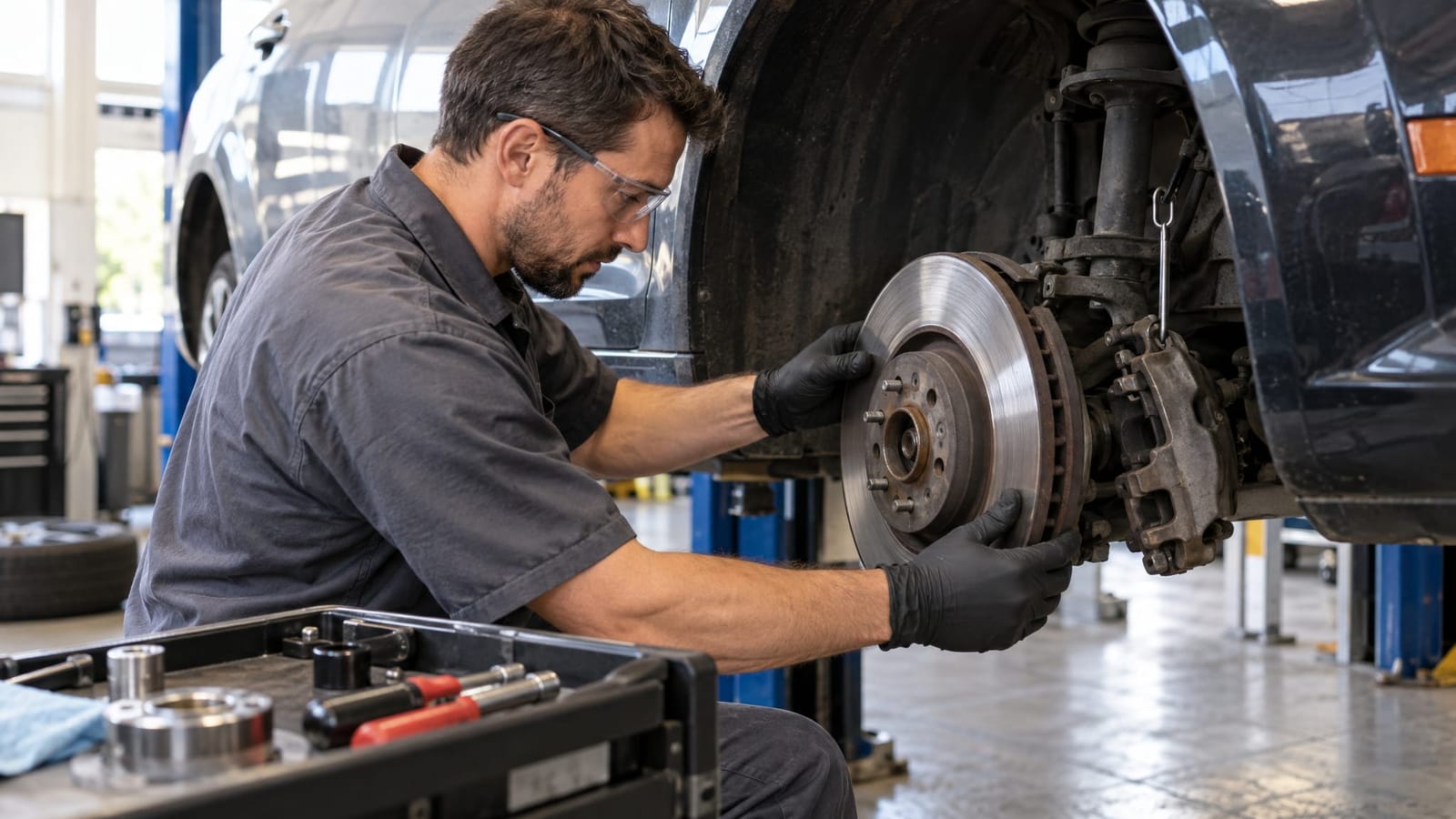
How Often Should I Change Oil in My Diesel Truck?
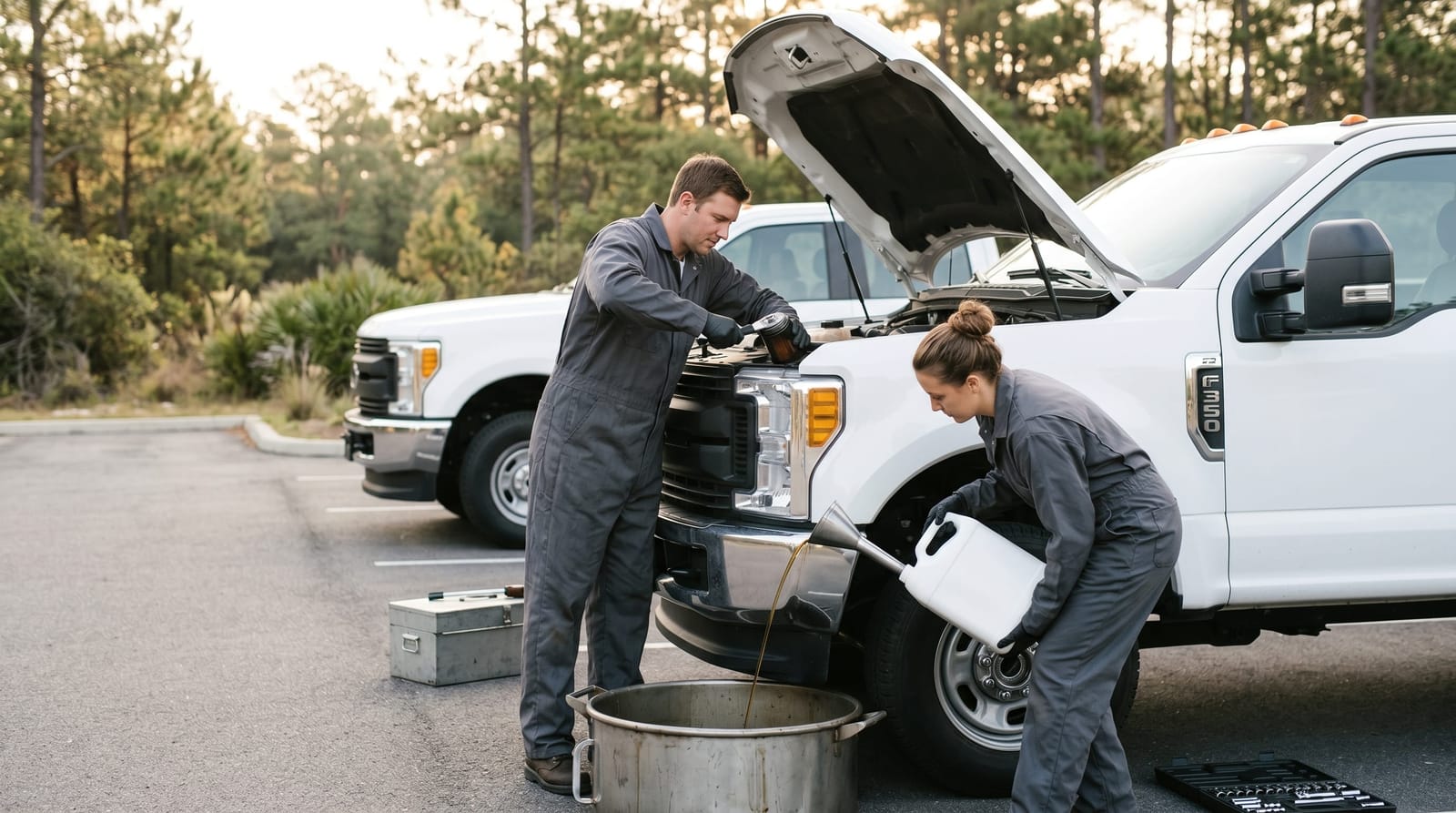
If you own a diesel truck, one of the most common questions you'll ask is how often the oil actually needs to be changed. The answer isn't one-size-fits-all: it depends on your engine type, how you use your truck, and what your manufacturer recommends. As part of understanding proper diesel vehicle maintenance, getting your diesel truck oil change interval right is one of the most important things you can do to keep your engine running well for the long haul. Here's a clear, practical breakdown to help you figure out the right schedule for your situation.
The Standard Diesel Truck Oil Change Interval
For most light-duty and mid-duty diesel trucks, the kind used for everyday work, towing, or personal use, the typical diesel truck oil change interval falls between 5,000 and 7,000 miles. Some manufacturers and service professionals also measure this by engine hours rather than mileage, with a general guideline of every 250 to 500 engine hours depending on the application.
These numbers represent a reasonable baseline for diesel engines operating under normal conditions. Normal conditions generally mean highway driving, moderate towing, and regular use without extended idle time or extreme temperatures. If your driving habits fall outside of that range, which is the case for many diesel truck owners, your interval may need to be shorter.
It's worth noting that diesel engines are built differently from gasoline engines. They run at higher compression, generate more soot as a byproduct of combustion, and place greater demands on their oil. That's exactly why diesel engine oil is formulated specifically to handle those conditions, and why following the correct diesel truck oil change interval matters more than simply borrowing a schedule from a gas-powered vehicle.
How Different Types of Diesel Trucks Affect the Interval
Not all diesel trucks are used the same way, and the oil change interval reflects that reality. Here's how it breaks down by application:
Light-Duty Diesel Trucks (Consumer Use)
Trucks like the Ford F-250 Power Stroke, Chevy Silverado Duramax, or Ram 2500 Cummins used for everyday driving, occasional towing, or light work typically follow the 5,000 to 7,000 mile interval. Many modern light-duty diesel trucks have oil life monitoring systems that can guide you, but those systems are based on average conditions: checking with a qualified service technician is still the best approach.
Heavy-Duty and Commercial Diesel Trucks
This is where intervals can shift considerably. Heavy-duty diesel trucks, including semi-trucks, tractor-trailers, and large fleet vehicles, can sometimes extend their oil change intervals up to 25,000 miles when using high-quality synthetic diesel oil and when operating under monitored, consistent conditions. However, this extended interval applies to specific engine types and oil specifications, and it should never be assumed without confirming with the manufacturer's guidelines or a diesel service specialist.
Diesel Equipment and Work Trucks
Trucks used in construction, agriculture, or any high-idle environment tend to accumulate engine hours faster than mileage. For these applications, tracking hours rather than miles is more reliable. A truck that idles for long periods during a workday may need an oil change based on 250 engine hours rather than waiting for the odometer to hit a certain number.
Factors That Can Shorten Your Diesel Truck Oil Change Interval
Several real-world conditions can mean your diesel truck needs oil changes more frequently than the standard guideline suggests. Being aware of these factors helps you make smarter decisions about your maintenance schedule:
- Frequent towing or hauling heavy loads: Consistent high-load operation puts more stress on the engine and degrades oil faster.
- Short trips and stop-and-go driving: Engines that don't fully warm up don't allow moisture and contaminants to burn off, which shortens oil life.
- Extended idling: Diesel engines that idle frequently, common in work trucks and fleet vehicles, accumulate engine hours quickly without the mileage to match.
- Extreme temperatures: Both very hot and very cold conditions affect how oil performs and how quickly it breaks down.
- Older engines: An older diesel engine with higher mileage may benefit from more frequent oil changes to compensate for increased wear.
- Dusty or dirty environments: Operating in construction zones, on gravel roads, or in agricultural settings introduces more contaminants to the engine.
If any of these conditions apply to how you use your diesel truck, it's worth discussing a tailored maintenance schedule with your service provider rather than relying strictly on mileage alone.
Why Following the Right Interval Actually Matters
Diesel engine oil does more than lubricate moving parts. It also carries away heat, neutralizes acids produced during combustion, suspends soot particles, and prevents corrosion. Over time, oil loses its ability to do all of these things effectively. When oil breaks down or becomes contaminated, engine components experience more friction and wear, and that adds up over time.
Staying on top of your diesel truck oil change interval is simply the most cost-effective form of engine care available. Routine oil changes cost a fraction of what major engine repairs do, and they help you avoid the kind of gradual wear that leads to bigger problems down the road. It's not about fear: it's about protecting an investment that you rely on every day.
Choosing the right oil also plays a major role here. Diesel engines require oil that meets specific performance ratings, and using the wrong product can affect both engine protection and how long your oil lasts between changes. If you're unsure what type of oil is right for your specific engine, understanding what type of oil your diesel engine needs is a helpful next step in planning your maintenance routine.
When to Check Your Manufacturer's Recommendations
Your truck's owner's manual is the most reliable starting point for your diesel truck oil change interval. Manufacturers design their engines with specific tolerances, oil specifications, and service intervals in mind. That manual reflects real engineering data for your exact engine, not a generalized estimate.
Beyond the manual, your service history also matters. A trusted diesel service provider can look at your engine's age, mileage, oil condition, and how you use your truck to give you a personalized recommendation. If you're managing a fleet or multiple diesel vehicles, working with a shop that has experience servicing different makes and models of diesel trucks ensures you're getting advice that actually fits your equipment.
Frequently Asked Questions
Is the oil change interval different for diesel trucks compared to gas trucks?
Yes, generally speaking. Diesel engines produce more soot and operate under higher compression than gasoline engines, which means they place different demands on their oil. Light-duty diesel trucks typically follow a 5,000 to 7,000 mile interval, while some gas-powered trucks may go longer. Always follow the manufacturer's recommendation for your specific engine rather than applying a universal rule.
Can I go longer between oil changes if I use synthetic diesel oil?
Synthetic diesel oils are designed to last longer and perform better under demanding conditions, which can support longer intervals in some applications: particularly in newer heavy-duty diesel engines. However, extended intervals should only be followed when they align with what the manufacturer specifies for your engine and that specific oil product. When in doubt, a shorter interval is always the safer choice.
How do I know if my diesel truck needs an oil change before it hits the mileage mark?
There are a few signs worth paying attention to: the oil appears very dark and thick on the dipstick, your engine seems louder than usual, you notice a burning smell, or your oil pressure warning light comes on. If you use your truck in heavy-duty conditions, checking the oil level and condition more frequently, rather than waiting for a service reminder, is a practical habit.
Does idling count toward my diesel truck oil change interval?
Yes, engine hours accumulate during idling even when the odometer isn't moving. For trucks that idle frequently, whether on a job site, in traffic, or while running equipment, tracking engine hours alongside mileage gives a more accurate picture of when an oil change is actually due. Many work trucks and fleet vehicles are better served by an hour-based interval than a mileage-based one.
The Bottom Line on Diesel Truck Oil Change Intervals
For most diesel truck owners, the right oil change interval falls somewhere between 5,000 and 7,000 miles under normal conditions, with heavier use, extreme environments, or high-idle applications calling for more frequent service. The best approach is to start with your manufacturer's guidelines, factor in how you actually use your truck, and work with a knowledgeable service provider who understands diesel engines. Staying consistent with your diesel truck oil change interval is one of the simplest, most reliable ways to protect your engine and keep your truck dependable for years to come.