Multi-Point Vehicle Inspection: Early Detection Saves Money and Prevents Breakdowns

One of the smartest things you can do as a vehicle owner is catch small problems before they become big, expensive ones. That's the core idea behind preventative car maintenance, and the multi-point vehicle inspection is one of its most valuable tools. As part of a complete approach to keeping your vehicle healthy, a thorough inspection gives you a clear picture of what's working well, what needs attention soon, and what requires immediate care. In this post, we'll walk you through what a multi-point inspection actually covers, how it helps you avoid unexpected breakdowns, why it's especially worthwhile for higher-value vehicles, and how often you should schedule one. Whether you drive a family minivan, a daily commuter, or a newer luxury model, this information applies to you.
What Is a Multi-Point Vehicle Inspection?
A multi-point vehicle inspection is a structured, comprehensive review of your vehicle's major systems and components. Unlike a single-system check, like just looking at your brakes or just testing your battery, a multi-point inspection covers your entire vehicle from front to back, top to bottom, in one organized process.
Think of it like a health checkup at the doctor's office. Your doctor doesn't just check one thing; they look at your blood pressure, your heart rate, your weight, and run blood work to get a full picture of your health. A multi-point inspection does the same thing for your vehicle. It gives your technician, and more importantly, you, a complete snapshot of where your vehicle stands right now.
Most vehicle owners depend on their car every single day. Picking up kids from school, commuting to work, running errands, making weekend trips: your vehicle is working constantly. A multi-point inspection makes sure all of those daily demands aren't quietly wearing down components you haven't thought about in months.
The inspection is typically performed by a trained technician who follows a standardized checklist. Results are usually categorized by urgency: items that are in good condition, items that need attention in the near future, and items that should be addressed right away. This kind of clear, organized feedback helps you make informed decisions about your vehicle without feeling overwhelmed or pressured.
What Gets Checked During a Multi-Point Inspection?
The value of a multi-point inspection comes from how much ground it covers. Here's a breakdown of the key areas typically included:
Fluid Levels and Condition
Fluids are the lifeblood of your vehicle. During an inspection, a technician will check and evaluate the condition of your engine oil, coolant, brake fluid, power steering fluid, transmission fluid, and windshield washer fluid. It's not just about whether these fluids are topped off: it's also about whether they've degraded or become contaminated over time. Old, dirty fluid can damage the systems it's supposed to protect.
Brakes and Brake System
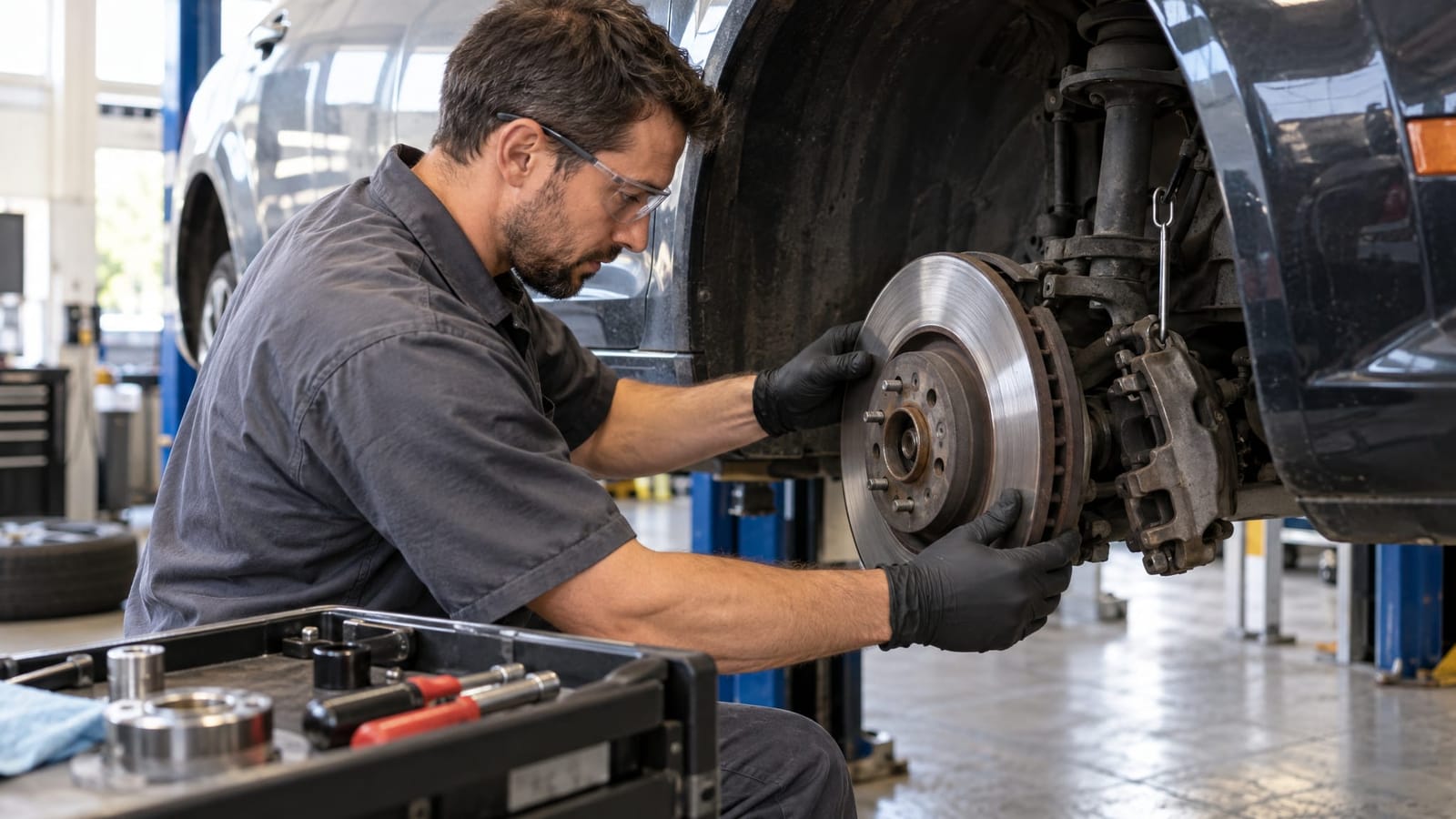
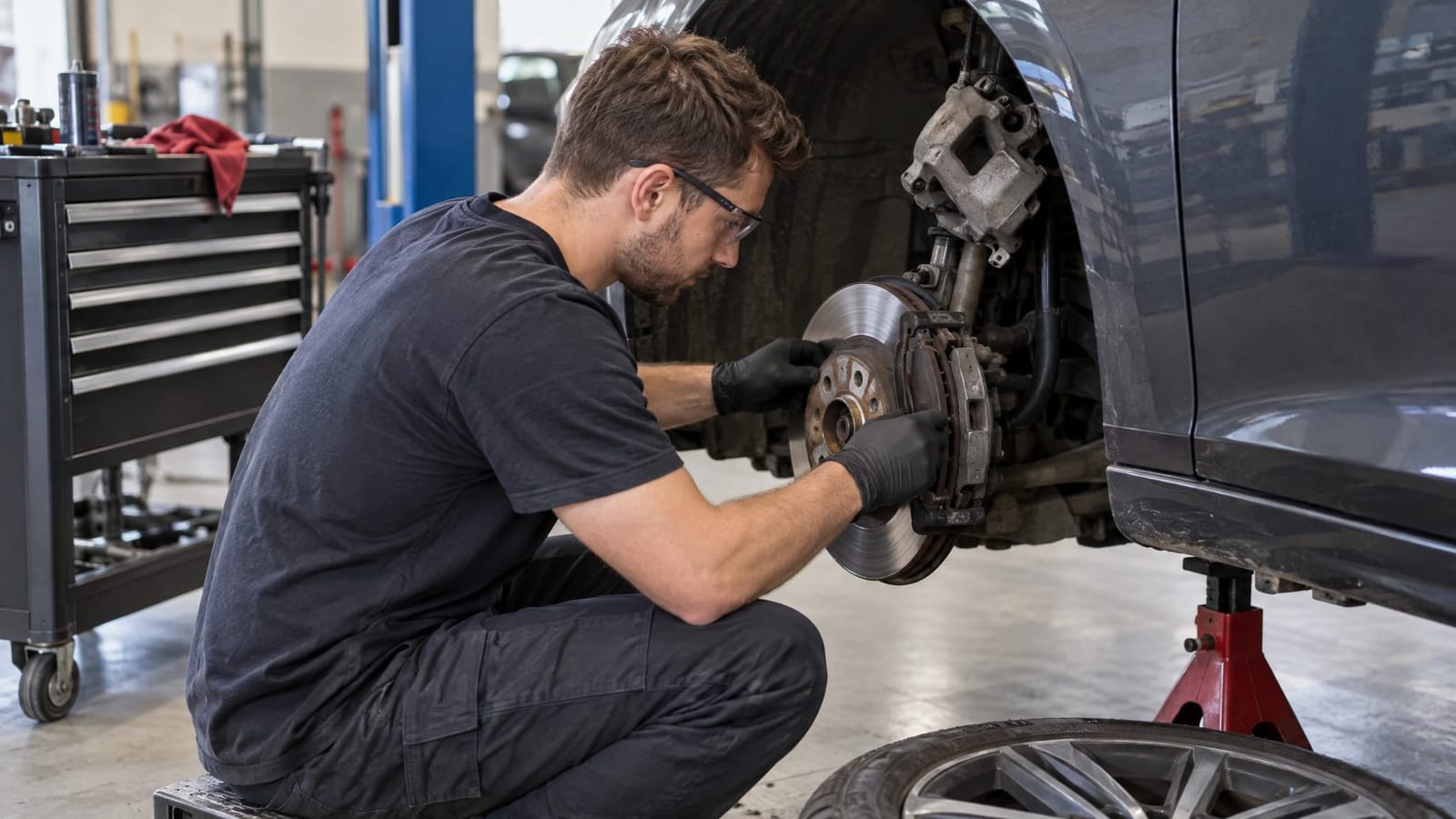
Brake pad thickness, rotor condition, and brake lines are all examined. Catching worn brake pads early is a straightforward way to avoid both safety risks and more expensive repairs down the road. Worn pads that go unchecked can eventually damage your rotors, turning a relatively affordable fix into a much larger one.
Tires and Wheels
Tire tread depth, tire pressure, and uneven wear patterns are all assessed. Uneven wear can signal an alignment or suspension issue. Proper tire condition directly affects fuel efficiency, ride quality, and most importantly, how safely your vehicle handles in wet or emergency situations.
Suspension and Steering Components
This includes a review of shocks and struts, ball joints, and control arms. These components absorb road impact and keep your tires in proper contact with the road. When they wear down, you'll notice it in the ride quality, but by that point, there may already be added stress on other components. Catching suspension wear early keeps your ride smooth and your handling safe.
Battery and Electrical System
Battery voltage and connection integrity are tested. A battery that's weakening may still start your car on most mornings but fail without warning during cold weather or after sitting overnight. Catching battery deterioration before it leaves you stranded is one of the most practical benefits of a regular inspection.
Belts, Hoses, and Engine Components
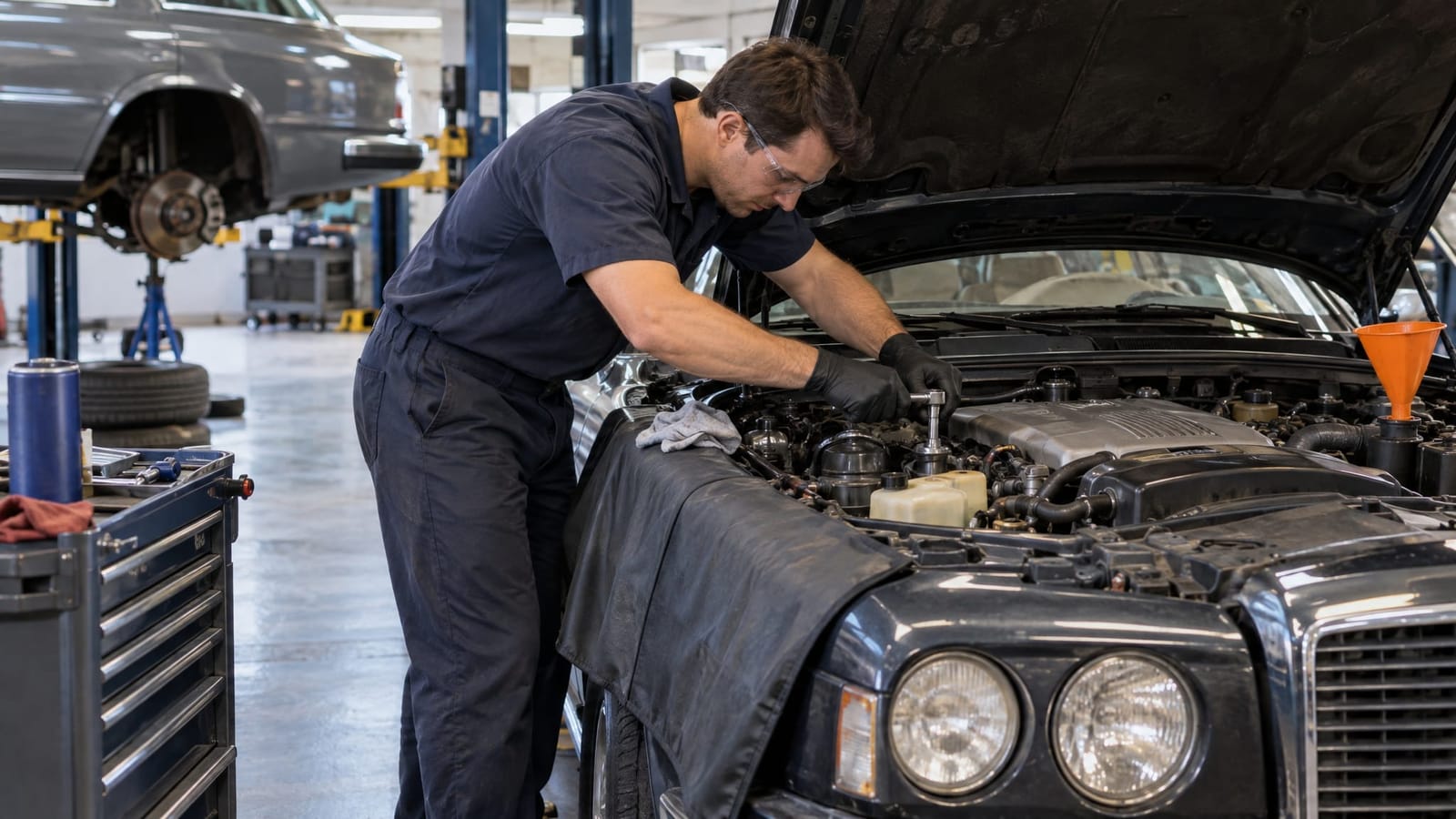
Drive belts and coolant hoses are inspected for cracking, fraying, or signs of wear. These components are easy to overlook because they typically don't cause a problem until they fail, and when a belt snaps or a hose bursts, it can cause rapid, serious engine damage. A quick visual check during an inspection can prevent that scenario entirely.
Lights and Warning Systems
All exterior lights are checked, along with any active dashboard warning lights. A warning light might seem minor or easy to ignore, but each one is your vehicle's way of flagging something that deserves attention. An inspection gives you a chance to get that information translated into clear, plain-language guidance.
For a full breakdown of every item covered during a professional inspection, check out our detailed guide on what does multi point inspection include.
How Early Detection Prevents Costly Repairs
The financial case for regular inspections is straightforward: small problems are almost always cheaper to fix than large ones. The challenge is that many vehicle issues develop gradually, without obvious symptoms, until they've progressed to the point where major repair work is required.
Consider a few common examples:
- A slow coolant leak left undetected can eventually lead to engine overheating: a repair that can cost thousands of dollars compared to the minimal cost of sealing a small leak early.
- Worn brake pads that aren't replaced can grind into the rotors, turning a $150-$200 pad replacement into a $400-$600 rotor replacement job.
- A cracked serpentine belt discovered during inspection costs far less to replace proactively than dealing with the tow, emergency repair, and potential engine damage from a roadside failure.
Beyond the direct repair costs, there's also the value of your time and convenience. An unexpected breakdown doesn't just cost money: it disrupts your schedule, creates stress, and can leave you without transportation when you need it most. Regular inspections reduce the likelihood of those unplanned disruptions significantly.
The concept is simple: paying a little now to catch problems early is almost always less expensive than paying a lot later to fix damage that's had time to worsen. If you'd like to explore this further, our post on preventative maintenance saves money goes deeper into the long-term financial benefits of staying ahead of repairs.
Why Multi-Point Inspections Matter More for Higher-Value Vehicles
All vehicles benefit from regular inspections, but the case becomes even stronger when you're driving a newer vehicle, a luxury model, or a vehicle that required a significant financial investment to purchase.
Higher-value vehicles often have more complex systems: advanced driver assistance features, sophisticated electronics, turbocharged engines, and premium components that are more expensive to replace. Regular inspections help ensure these systems are functioning as intended and that minor issues are addressed before they affect expensive, proprietary components.
There's also the matter of resale value. A well-documented maintenance history, including regular inspections, is one of the most effective ways to protect the resale or trade-in value of your vehicle. Buyers and dealerships alike view consistent maintenance records as a strong indicator that a vehicle has been well cared for.
For newer vehicles still under manufacturer warranty, regular inspections also help ensure you're meeting the maintenance requirements that keep your warranty valid. Skipping routine service can sometimes create complications when warranty claims arise later.
Whether your vehicle cost $20,000 or $60,000, protecting that investment starts with knowing its current condition, and a multi-point inspection is the most direct way to get that clarity.
How Often Should You Schedule a Multi-Point Inspection?
A general guideline is to have a multi-point inspection performed annually or every 12,000 miles: whichever comes first. However, several factors might make more frequent inspections worthwhile:
- High-mileage vehicles: Older vehicles with significant mileage tend to develop wear more quickly. Twice-yearly inspections can help you stay ahead of the curve.
- Vehicles used for towing or heavy hauling: These workloads put additional stress on brakes, suspension, cooling systems, and transmissions.
- Vehicles driven in extreme conditions: If your daily commute involves lots of stop-and-go traffic, unpaved roads, or extreme heat, as is common here in the Inland Empire, your vehicle may benefit from more frequent check-ins.
- After purchasing a used vehicle: A multi-point inspection is one of the best early investments you can make after buying a used car, giving you an honest baseline of the vehicle's condition.
Many drivers conveniently schedule their multi-point inspection alongside another routine service, such as an oil change, so it doesn't require an extra trip. This is a practical approach that fits inspection into your existing maintenance routine without added hassle.
Speaking of routine maintenance, pairing your inspection with a solid vehicle maintenance schedule guide ensures you're covering all the bases your manufacturer recommends, not just the most visible ones.
What to Expect During the Inspection Process
A multi-point inspection is typically completed while your vehicle is being serviced for something else, or it can be done as a standalone service. Here's what the process generally looks like:
When you arrive, a service advisor will note your vehicle's current mileage and any concerns you've noticed: unusual sounds, handling changes, warning lights, or anything that's felt different lately. That information helps the technician know where to pay extra attention.
Your vehicle is then placed on a lift, which allows the technician to inspect underneath: checking the exhaust system, suspension components, brakes, and any fluid leaks from below. The hood is opened to assess the engine bay, belts, hoses, fluid levels, and battery. Tires are checked, lights are tested, and any active dashboard warnings are documented.
When the inspection is complete, you'll receive a clear summary, often organized by condition category, that shows exactly what was found. A good inspection report doesn't pressure you into immediate decisions. It gives you information, explains what each finding means in plain terms, and lets you decide how you'd like to proceed.
Bringing It All Together: Inspection as Part of Your Broader Maintenance Strategy
A multi-point vehicle inspection works best when it's part of a consistent, proactive approach to vehicle care, not something you only think about when something goes wrong. When combined with regular oil changes, tire rotations, fluid top-offs, and adherence to your manufacturer's recommended service intervals, inspections fill in the gaps and give you confidence that your vehicle is being cared for thoroughly.
Think of it as an investment in peace of mind. You rely on your vehicle every day. Knowing its current condition, and staying ahead of any developing issues, means fewer surprises, fewer emergency repairs, and a vehicle that stays reliable for years longer than one that only gets attention when it breaks down.
Conclusion
A multi-point vehicle inspection is one of the most practical tools available for protecting your vehicle and your budget. By systematically checking the major systems of your car, from brakes and fluids to tires, suspension, and electrical components, it gives you an honest, complete picture of your vehicle's health before small issues have a chance to grow into larger problems. Whether you drive a high-mileage daily commuter or a newer vehicle you want to keep in top condition, scheduling a regular inspection is a straightforward, worthwhile habit. At Rancho Express Lube, we're here to make that process easy, transparent, and genuinely useful, so you can drive with confidence and keep your vehicle running reliably for the long haul. Stop by or give us a call to schedule your next multi-point inspection today.