Shock and Strut Replacement: Restoring Ride Quality and Vehicle Control
Your vehicle's suspension system is one of the most important factors in how your car feels, handles, and keeps you safe on the road. As part of a complete approach to suspension care, shock and strut replacement stands out as one of the most impactful services you can schedule. Worn shocks and struts affect far more than ride comfort. They influence braking distance, steering response, and tire wear. This guide explains how shocks and struts work, when they need attention, what quality replacement involves, and why professional installation matters, especially for luxury vehicles and commercial fleets where ride quality and reliability are priorities.
What Shocks and Struts Actually Do
Many vehicle owners hear the terms "shocks" and "struts" interchangeably, but they serve related yet distinct functions. Understanding the difference helps you make informed decisions about your vehicle's maintenance.
The Role of Shock Absorbers
Shock absorbers control how your vehicle's suspension moves up and down over bumps and road imperfections. They dampen the energy transferred from the road to the vehicle's frame. Without working shocks, your car would bounce repeatedly after hitting a pothole or bump. That bouncing reduces your control over the vehicle. It also puts extra stress on tires, steering components, and other suspension parts.
The Role of Struts
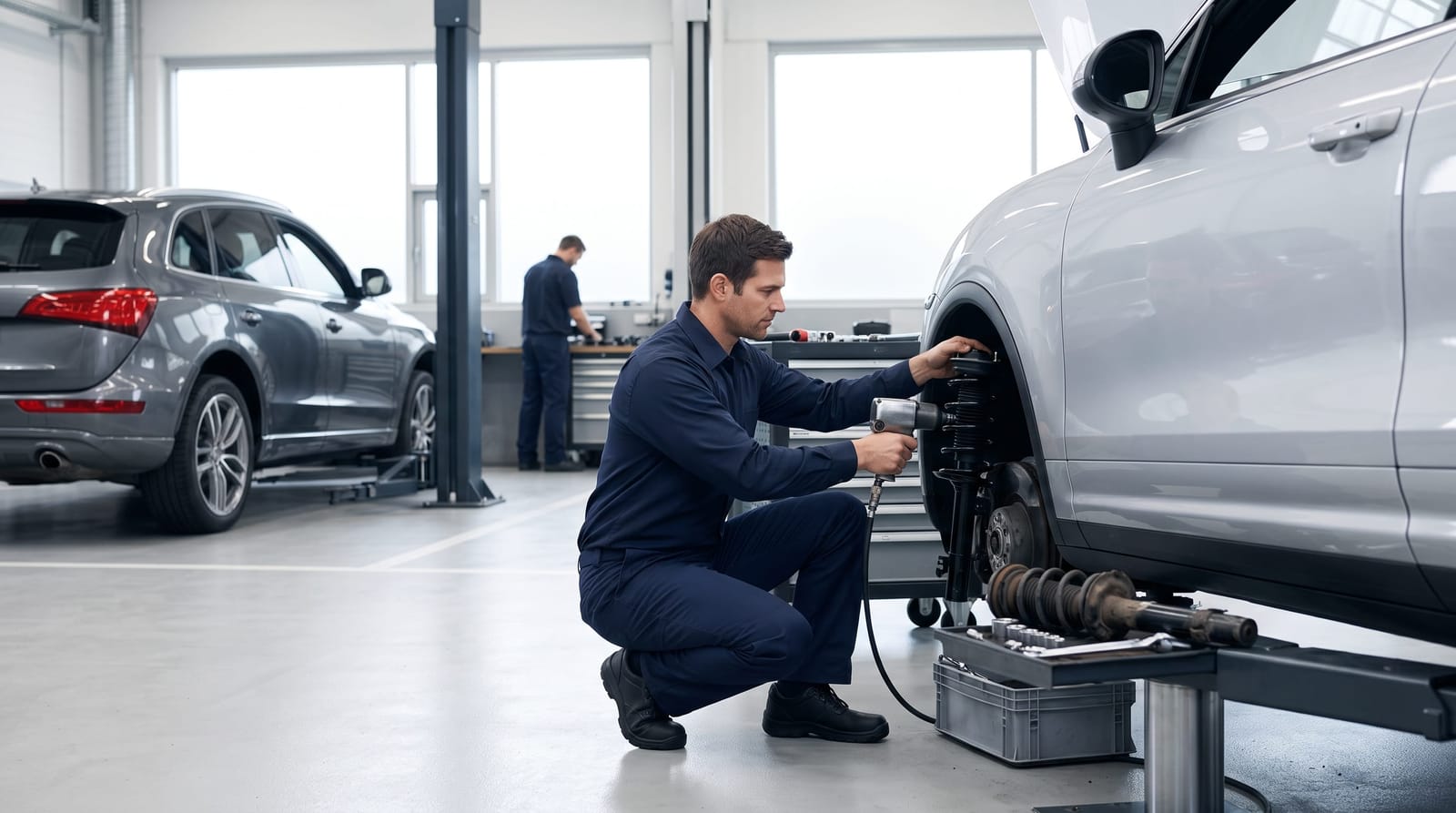
Struts are a more integrated component. They combine a shock absorber with structural support for the suspension system itself. Many front-wheel-drive vehicles and modern cars use struts in place of separate shocks on at least two wheels. Because struts are load-bearing, replacing them requires more labor and precision than replacing standalone shock absorbers. If you're unsure what your vehicle uses, a technician can explain the difference between shocks and struts as it applies to your specific make and model.
Why Both Matter for Daily Driving
Whether your vehicle uses shocks, struts, or a combination of both, their condition directly affects how the car behaves. Good shocks and struts keep your tires in consistent contact with the road. That consistent contact improves steering precision, reduces stopping distances, and makes your vehicle more predictable in everyday driving situations.
Signs That Your Shocks or Struts Need Replacement
Shocks and struts wear down gradually. The changes are often subtle at first. Most drivers don't notice until the wear reaches a point where the ride feels noticeably different. Knowing what to watch for helps you catch the issue before it affects safety or leads to more extensive suspension repairs.
Common Warning Signs
- Bouncing or floating sensation: If your vehicle continues to bounce after going over a bump, the shock absorbers may no longer be controlling movement effectively.
- Nose-diving when braking: When stopping, the front end dips more than it should. This is a common sign of worn front struts.
- Body roll in turns: Excessive leaning to one side when cornering suggests reduced suspension stability.
- Uneven tire wear: Cupping or scalloped wear patterns on tires often point to suspension components that aren't keeping tires properly grounded.
- Fluid leaks on the shock body: Visible oil streaking down the outside of a shock absorber is a clear sign it needs replacement.
- Rough or harsh ride: A ride that feels noticeably harsher than it used to can mean the internal damping mechanism has worn out.
Most technicians recommend having your shocks and struts inspected at the first sign of potential wear, or around every 50,000 miles as a general guideline. For detailed guidance on interpreting these symptoms, see our post on signs shocks need replacement.
Choosing the Right Replacement Parts
Part quality plays a major role in the results you get from shock strut replacement service. Not all shocks and struts are built the same. The right choice depends on your vehicle type, how you use it, and what matters most to you in terms of ride feel.
OEM vs. Aftermarket Options
OEM (original equipment manufacturer) parts are built to match your vehicle's factory specifications. They're a reliable choice for luxury vehicles where the suspension was engineered to deliver a specific ride quality. Aftermarket options vary widely in quality. Some match or exceed OEM performance. Others fall short. A knowledgeable service provider can help you identify aftermarket brands that are appropriate for your vehicle rather than simply choosing the lowest-cost option.
Performance Considerations for Luxury and Fleet Vehicles
Owners of luxury vehicles like BMW, Mercedes-Benz, Lexus, or Cadillac often have higher expectations for ride quality. These vehicles use more sophisticated suspension designs. Replacing components with lower-quality parts can noticeably degrade the ride feel the manufacturer intended. For commercial fleet vehicles, durability and load-handling capacity are the priority. Selecting parts matched to how the vehicle is actually used makes a real difference in long-term performance.
Complete Sets vs. Individual Replacements
Replacing all four shocks or struts at the same time is generally recommended when significant wear is present. If one side is worn, the other side has typically experienced similar use. Replacing only one or two can result in uneven handling, where one side of the vehicle responds differently than the other. While replacing all four does increase the upfront investment, it produces a more consistent, balanced result.
What Professional Shock Strut Replacement Service Involves
Shock strut replacement service is not a simple swap. It requires proper tools, technical knowledge, and attention to alignment and torque specifications. Understanding what's involved helps you appreciate why professional installation matters.
The Inspection and Assessment Process
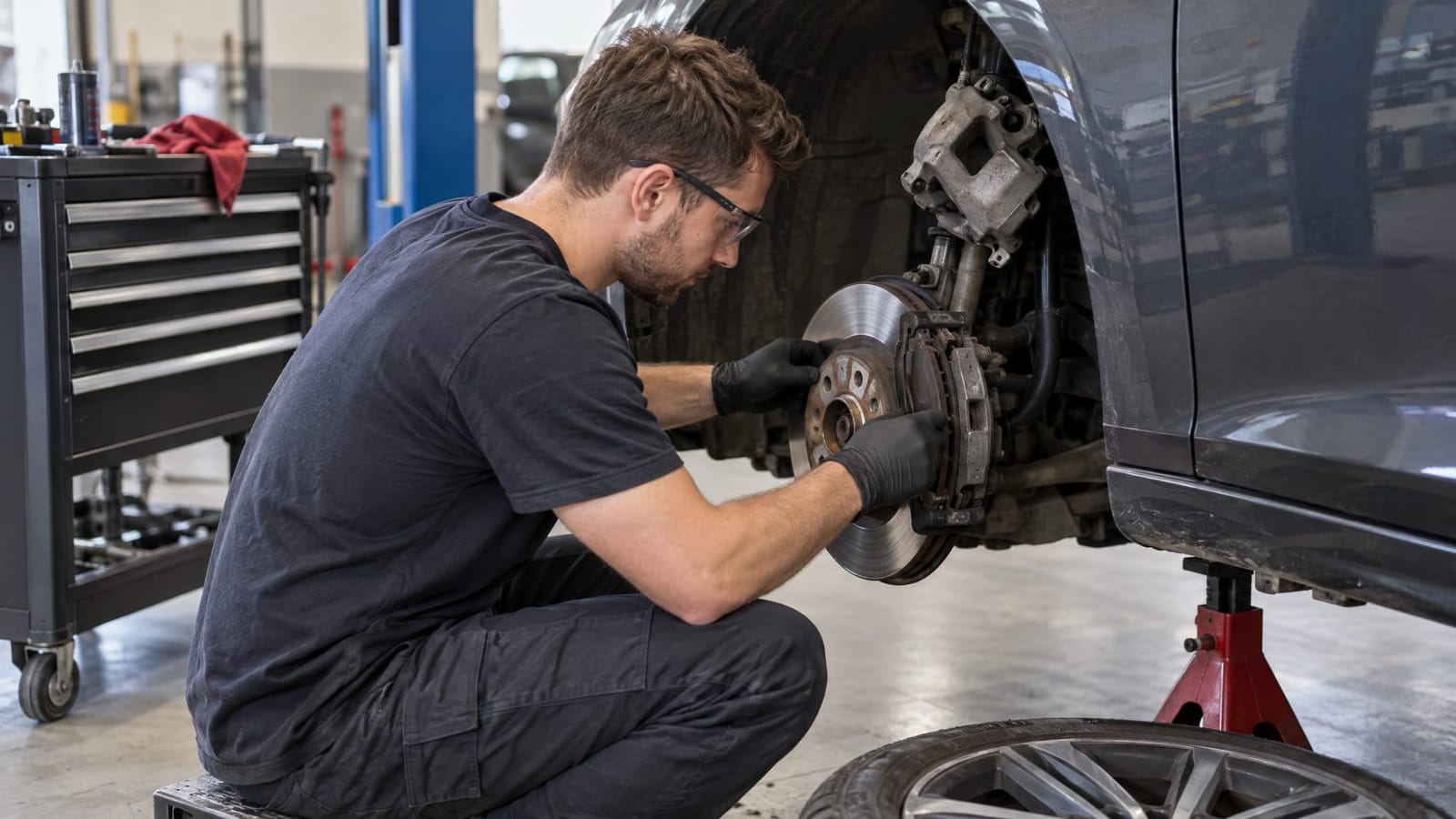
A proper service begins with a full inspection. The technician evaluates the condition of existing shocks and struts, looks for related wear in bushings and mounts, and checks for any damage that should be addressed at the same time. Skipping this step can mean replacing shocks without addressing a worn mount, which would cause the new components to wear faster.
Safe Removal and Installation
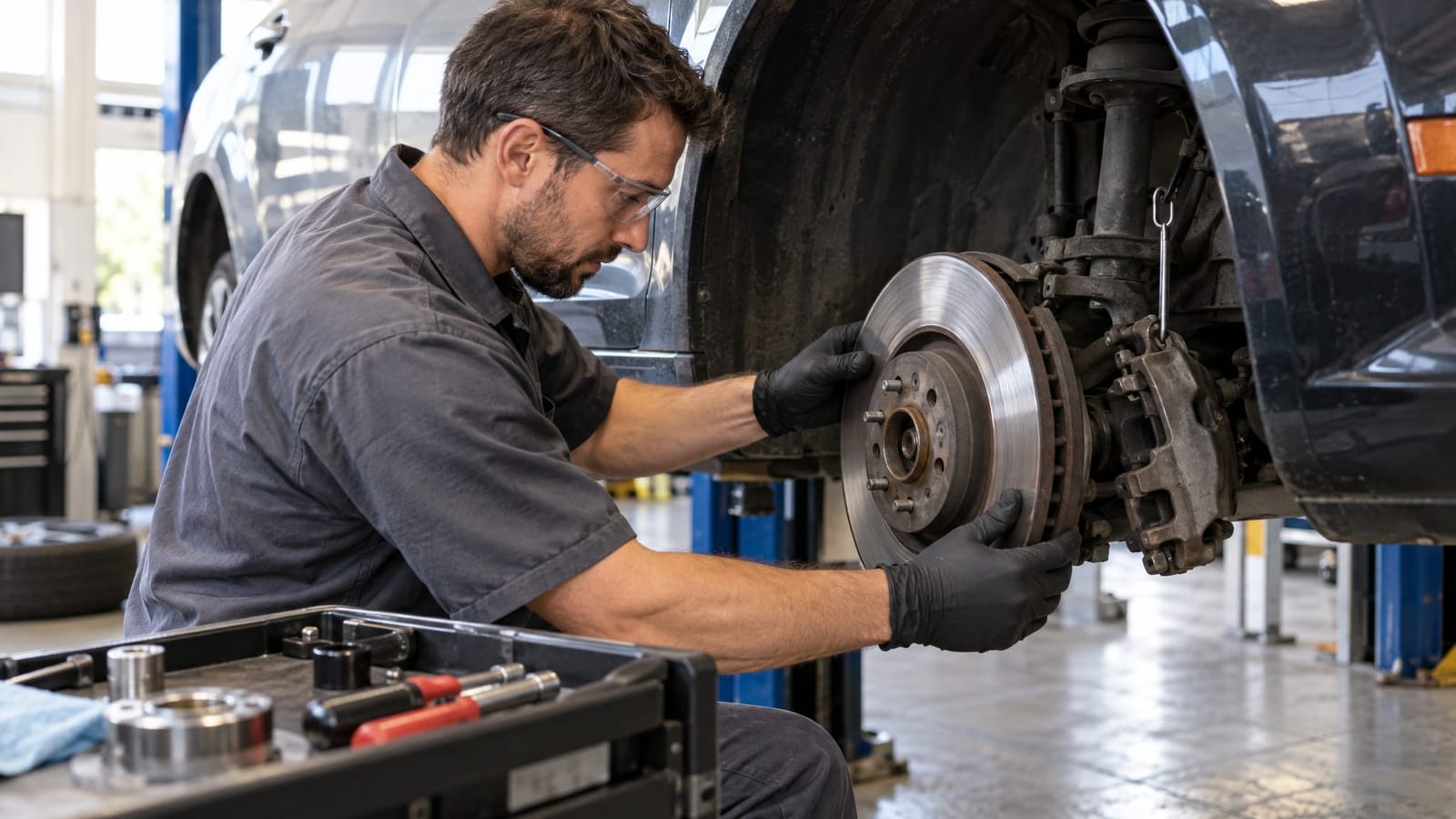
Strut replacement in particular requires a spring compressor tool to safely remove and reinstall the coil spring. This process carries real safety risks if done incorrectly. Compressed springs store significant energy. Professional technicians use the right equipment to handle this safely and consistently.
Wheel Alignment After Replacement
Replacing struts changes the geometry of the suspension. A wheel alignment is almost always necessary after strut replacement. Skipping the alignment leads to uneven tire wear and compromised handling: two problems that offset much of the benefit from the new parts. A thorough shock strut replacement service includes alignment as part of the process, not as an afterthought.
Cost Expectations for Shock and Strut Replacement
Shock strut replacement service typically costs between $500 and $2,500, depending on the vehicle, the parts selected, and the scope of work. Understanding what drives the cost helps you evaluate estimates and make decisions that fit your budget without sacrificing quality.
What Influences the Price
- Vehicle make and model: Luxury and European vehicles often require higher-cost OEM or premium aftermarket parts.
- Number of components replaced: Replacing all four is more expensive than replacing two, but often the better long-term value.
- Labor time: Strut replacement is more labor-intensive than shock replacement. Front struts on some vehicles require more disassembly than others.
- Additional services: Wheel alignment, worn bushings, and mount replacement add to the total but are often necessary for the repair to perform correctly.
For a more detailed breakdown of what to expect when budgeting for suspension work, our guide on suspension repair cost covers common price ranges and what's typically included.
Value Over Time
Quality shock strut replacement service pays dividends over time. New shocks and struts reduce tire wear, improve braking, and prevent secondary suspension damage caused by worn components. For luxury vehicles and commercial fleets, protecting the investment in the vehicle itself makes the service well worth the cost.
How Long New Shocks and Struts Last
Most quality shocks and struts last between 50,000 and 100,000 miles under normal driving conditions. Several factors influence actual lifespan, including road quality, driving habits, and vehicle weight. Vehicles driven frequently on rough or unpaved roads will wear through shocks faster than those used primarily on smooth highways.
Routine inspections are the best way to stay ahead of wear. A technician can evaluate suspension components during other scheduled services and flag early signs of degradation before they become a safety concern. For a full look at how long suspension components typically last and what factors affect longevity, see our post on suspension component lifespan.
Related Details Worth Knowing
If you're researching shock strut replacement service and want to go deeper on specific aspects, these related topics cover important details:
- Not sure whether your vehicle needs attention now? Our post on signs shocks need replacement walks through the most common symptoms in plain language.
- Wondering about the technical differences between the two component types? The post on the difference between shocks and struts explains how each works and why the distinction matters for service decisions.
Conclusion
Shock strut replacement service is one of the most meaningful things you can do to restore how your vehicle rides, handles, and responds. Worn shocks and struts don't just affect comfort: they affect safety, tire life, and the long-term condition of your entire suspension system. Choosing quality parts, having the work done by experienced technicians, and including a wheel alignment in the process gives you results that last. If your vehicle has been feeling different on the road lately, a suspension inspection is a smart first step. Contact Rancho Express Lube in Chino Hills to schedule your shock and strut assessment with a team that takes your vehicle's ride quality seriously.