Steering System Repair: Professional Service for Safe Vehicle Control
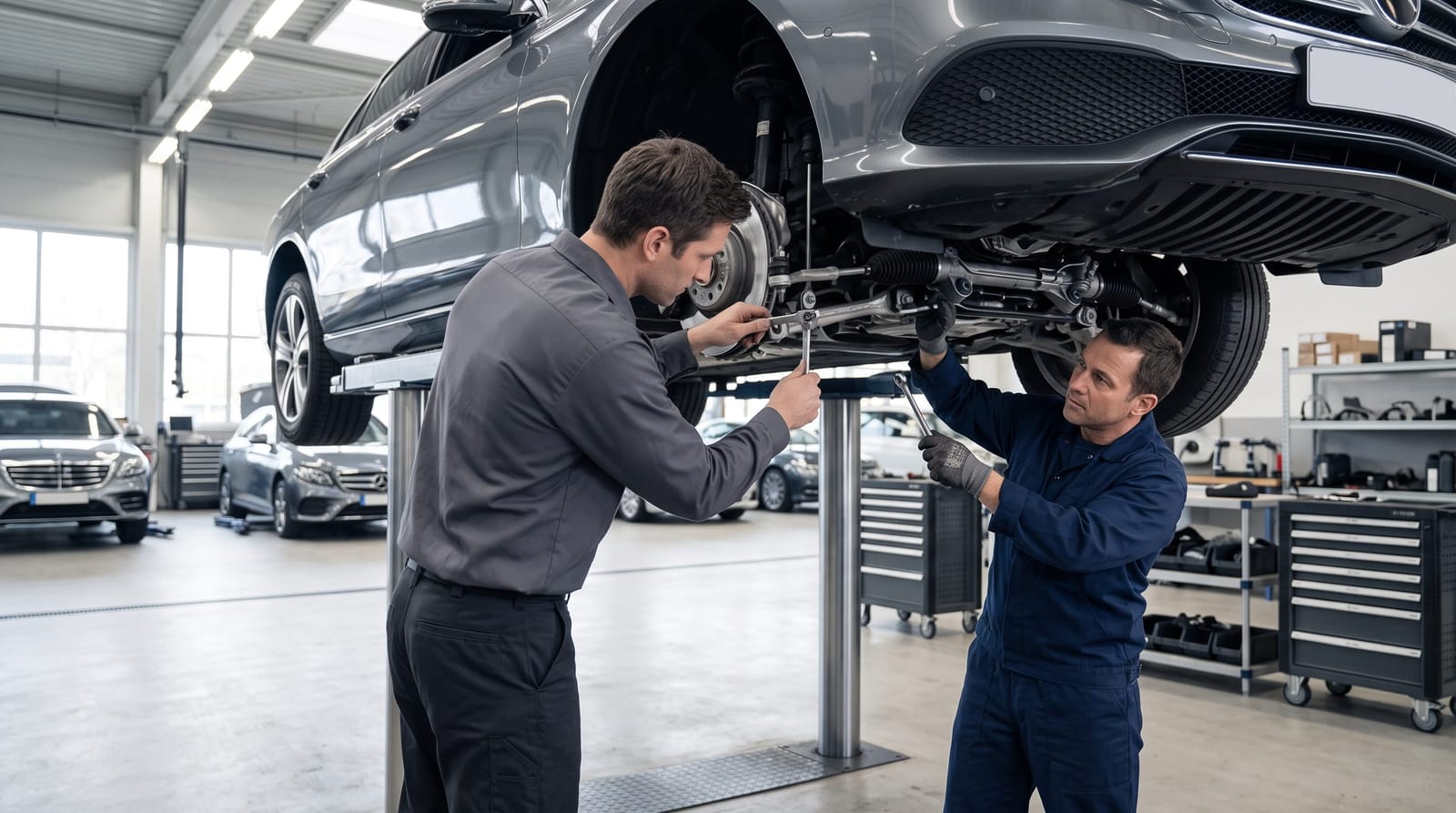
Your steering system is one of the most important safety systems on your vehicle. It connects every input you make at the wheel to the actual direction your car travels. When it works well, you barely think about it. When something goes wrong, you feel it immediately, in pulling, vibration, noise, or a steering wheel that fights back. As part of a complete approach to suspension repair in Chino Hills, steering system repair deserves the same careful attention as any other critical service. This guide covers how your steering system works, what warning signs to watch for, what common repairs involve, and how professional service keeps you in control and driving safely. Whether you own a luxury sedan or a work vehicle that logs high miles, understanding your steering system helps you make informed decisions.
How Your Steering System Actually Works
Most vehicles on the road today use one of two steering system types: rack-and-pinion or recirculating ball. Rack-and-pinion is the most common setup in passenger cars and light trucks. When you turn the steering wheel, a gear called the pinion rotates and moves a horizontal bar called the rack from side to side. That movement pushes the wheels left or right through a series of tie rods and joints.
Recirculating ball systems are more common in older trucks and heavy-duty vehicles. They work through a worm gear and ball bearings that transfer rotation into side-to-side motion. Both systems accomplish the same goal: translating your inputs into controlled direction changes.
Power Steering: Hydraulic vs. Electric
Most modern vehicles include power steering assistance to reduce the effort required to turn the wheel. There are two main types:
- Hydraulic power steering uses a pump driven by the engine, which pressurizes fluid to assist steering movement. This system requires regular fluid maintenance and can develop leaks over time.
- Electric power steering (EPS) uses a motor to provide assistance without fluid. It's increasingly common in newer vehicles and tends to require less routine maintenance.
According to industry data, approximately 40% of new vehicles sold in the United States now use electric power steering systems: a number that has grown significantly over the past decade. Understanding which system your vehicle has helps you know what kind of maintenance it needs.
Common Steering System Problems and What They Feel Like
Steering problems don't always announce themselves dramatically. Many develop gradually, which is why knowing the early warning signs makes a real difference in catching issues before they become more involved repairs.
Hard or Heavy Steering
If your steering wheel suddenly requires more effort to turn, that's a sign something has changed. In hydraulic systems, low power steering fluid or a failing pump are frequent causes. In electric systems, a sensor or motor issue may be responsible. Hard steering is uncomfortable and can become a safety concern at low speeds or during parking maneuvers.
Noise When Turning
Clunking, grinding, or squealing sounds when you turn the wheel often point to worn tie rod ends, a failing steering rack, or low fluid. A groaning noise specifically when turning at low speeds in a hydraulic system often indicates the power steering fluid is low or the pump is struggling. These sounds deserve a professional look, not because they always signal serious damage, but because they help a technician pinpoint the exact cause quickly.
Steering Wheel Vibration or Loose Feeling
Vibration in the steering wheel can come from wheel balance issues, worn tie rods, or a damaged steering rack mount. Studies suggest that worn steering components are a contributing factor in roughly 25% of vehicle handling complaints reported to service centers. A loose or "wandering" steering feel, where the vehicle drifts without input, is worth addressing promptly, especially at highway speeds.
Vehicle Pulling to One Side
If your car consistently drifts left or right without you steering that direction, the cause could be alignment, a stuck caliper, uneven tire pressure, or a steering system issue. If you're noticing this and want to understand the range of causes, our breakdown of car pulling to one side causes covers the diagnostic process in detail.
What Steering System Repair Actually Involves
Steering system repair is not a single service: it's a category that covers several different components and procedures depending on what the inspection reveals. Here's a practical breakdown of common repairs and what they mean for your vehicle.
Tie Rod Replacement
Tie rods connect the steering rack to the wheels. They wear over time, especially on vehicles with higher mileage or rough road use. Worn tie rods cause loose steering and uneven tire wear. Replacing them restores precise directional control. A wheel alignment is always recommended after tie rod replacement to ensure the wheels are properly positioned.
Steering Rack Repair or Replacement
The steering rack is the heart of rack-and-pinion systems. When it develops leaks, internal wear, or noise, repair may involve resealing with a repair kit or full replacement. The process requires removing the rack from the vehicle, inspecting internal components, and reinstalling with proper torque specifications. Repair kits are available for some makes and models, including various VW and European vehicles, while others require full unit replacement.
Power Steering Pump Service
A failing power steering pump reduces assist pressure, leading to hard steering. Pump replacement is a straightforward repair for experienced technicians. Before replacement, a fluid flush is often performed to remove degraded fluid that may have contributed to pump wear. If you're wondering whether your power steering symptoms need a full repair or just a service, our guide on power steering repair service explains the options clearly.
Steering Column and Mount Inspection
The steering column connects your wheel to the rack. Damaged mounts within the column or at the rack can cause loose, unpredictable steering behavior. This is a less common issue but one that shows up in vehicles that have experienced impact damage or significant wear. A damaged steering rack mount is identifiable through a specific feeling of the wheel becoming uncontrolled at certain angles, and it's a repair that benefits from professional diagnosis rather than guesswork.
The Role of Alignment in Steering System Health
Steering repair and wheel alignment are closely connected. Alignment refers to the precise angles at which your tires make contact with the road. When steering components wear or are replaced, alignment specs change. Driving on misaligned wheels accelerates tire wear significantly: research indicates that misalignment by just 0.17 inches can reduce tire life by up to 15,000 miles.
When to Schedule Alignment After Steering Work
A wheel alignment should follow any of these steering repairs:
- Tie rod end replacement
- Steering rack replacement
- Steering knuckle work
- Any suspension component changes that affect wheel angle
Alignment is also worth checking if you've hit a significant pothole, driven over a curb at speed, or notice your tires wearing unevenly on the inner or outer edges. Proper alignment protects your tire investment and keeps steering feeling accurate and centered.
Steering and Suspension: How They Work Together
Steering and suspension systems share components and influence each other's performance directly. Ball joints, for example, connect the steering knuckle to the control arms of the suspension: meaning a worn ball joint affects both steering precision and ride stability at the same time.
When one system has a problem, a professional inspection typically evaluates both. This is especially important for luxury vehicles and commercial fleet trucks, where handling precision directly affects driver comfort and cargo safety. If your vehicle also shows signs of bounce, bottoming out, or instability over bumps, the issue may involve both systems. Our overview of shock strut replacement service explains how suspension components connect to overall vehicle control, and how addressing both steering and suspension together gives you the most complete picture of your vehicle's handling health.
Maintenance Intervals Worth Knowing
For hydraulic power steering systems, fluid inspection is recommended every 30,000 miles or as indicated in your owner's manual. Power steering fluid degrades over time, absorbs moisture, and can lead to premature pump and rack wear if left unchanged. Electric steering systems don't require fluid, but the system's sensors and connections benefit from regular inspection as part of routine service.
Tie rod ends and steering rack boots should be visually inspected at every oil change or at minimum annually. Torn boots allow dirt and moisture into the rack, which accelerates internal wear and can turn a small maintenance item into a more involved repair.
Related Steering System Topics Worth Exploring
Steering system repair covers a range of specific situations that each deserve their own attention. If you're dealing with a specific issue, these related topics go deeper into individual causes and solutions:
- Understanding the difference between power steering repair and replacement, and when each makes sense for your budget and vehicle age
- Why a car pulling to one side isn't always a steering problem, and how to sort through the possible causes systematically
- How steering system health connects to overall suspension performance, including shocks and struts
Each of these topics connects back to the same goal: keeping your vehicle handling predictably, wearing tires evenly, and responding accurately to your inputs on the road.
Conclusion: Steering System Repair Keeps You in Control
Your steering system works every time you drive, handling thousands of small inputs without drawing attention to itself. When it starts showing signs of wear, through noise, pulling, vibration, or heavy steering, those are signals worth taking seriously. Steering system repair doesn't have to be complicated or stressful. It starts with an honest inspection, clear communication about what's found, and professional service that restores confidence in your vehicle's handling. If you're noticing any of the warning signs covered here, bring your vehicle in for a steering inspection. Our team at Rancho Express Lube provides professional, straightforward service to help your vehicle handle safely, whether you're commuting daily, managing a fleet, or protecting the investment in a luxury vehicle you depend on.