What Car Services Should a Teen Driver's Car Have Before School Starts?
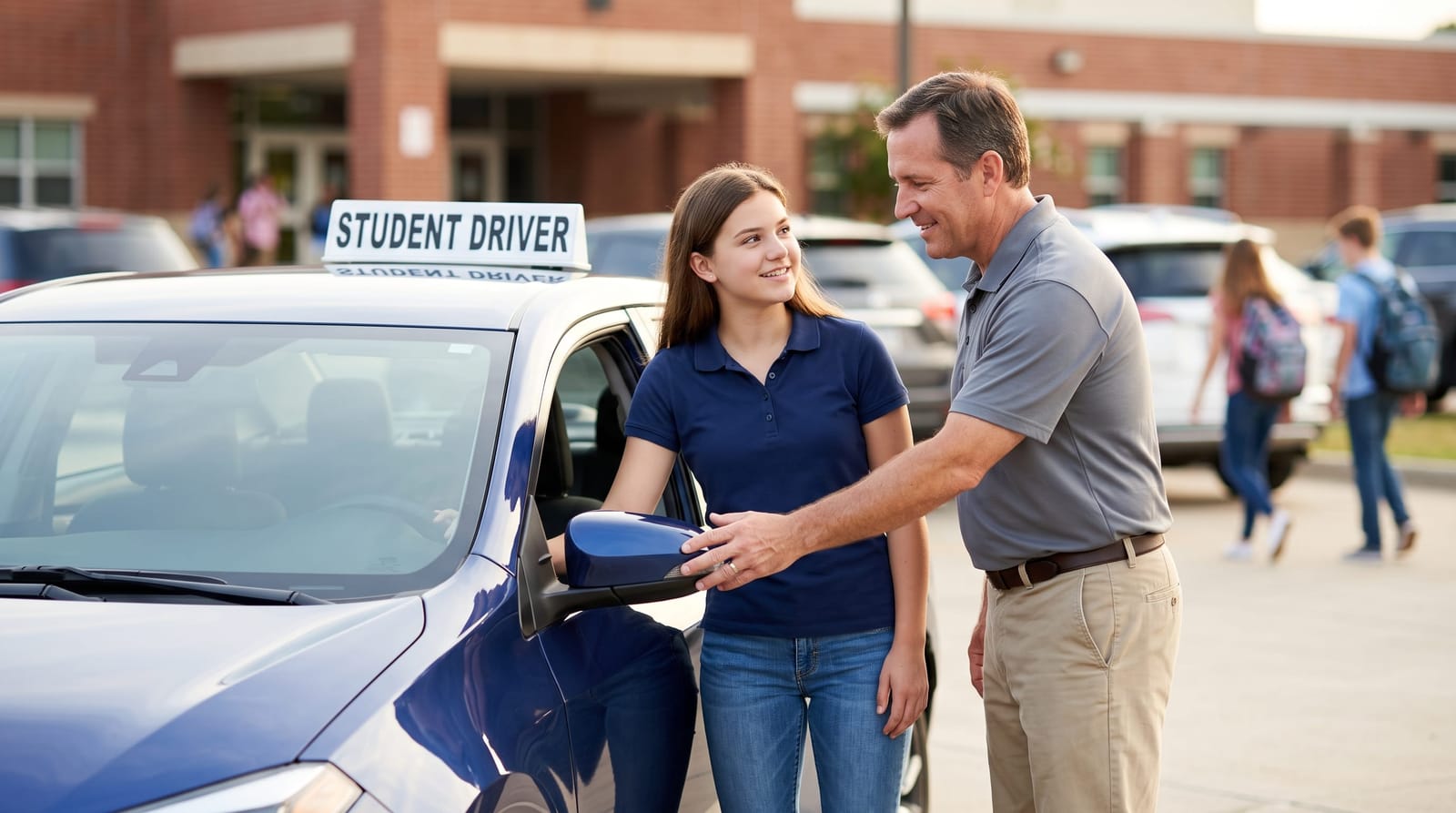
Back-to-school season brings a lot of moving parts for families: supply lists, schedules, and for many parents, the added responsibility of making sure a teen driver's car is actually ready for the road. Teen drivers face a statistically higher risk of accidents, which makes vehicle condition one of the most practical things a parent can control. This guide covers the five most important car services to check before your teen heads back to school, and explains why a documented inspection report can give parents real, tangible peace of mind throughout the school year.
If you're building a broader maintenance routine for your family's vehicles, our Seasonal Car Maintenance Guide for Inland Empire Drivers covers year-round vehicle readiness for every season and situation.
---Why Teen Driver Car Safety Deserves Its Own Checklist
According to the National Safety Council, teen drivers between the ages of 16 and 19 are nearly three times more likely to be involved in a fatal crash than drivers aged 20 and older. That's not a reason to panic: it's a reason to prepare. Vehicle condition plays a direct role in how safely a car performs, especially in situations that require quick braking, clear visibility, or reliable handling.
When school starts, teen drivers face new traffic patterns: early morning darkness, crowded school zones, wet fall roads, and more time behind the wheel than summer. A car that hasn't been inspected in months may have worn brakes, low tread tires, or a burned-out headlight that nobody noticed. None of those issues announce themselves: they just quietly increase risk.
A proactive pre-school-year inspection isn't about assuming something is wrong. It's about knowing that everything is right before your teen driver logs hundreds of miles driving to and from campus. Focusing on teen driver car safety services back to school families actually need, rather than a laundry list of every possible maintenance item, keeps the process straightforward and actionable.
---The Five Most Important Services Before School Starts
1. Brake Inspection
Brakes are the single most important safety system on any vehicle, and they're especially critical for newer drivers who are still developing their reaction time and road awareness. Brake pads wear down gradually, so a car that "stops fine" from a parent's perspective might actually have pads that are getting dangerously thin.
During a brake inspection, a technician checks the thickness of the brake pads, the condition of the rotors, and looks for any signs of uneven wear or fluid concerns. Most manufacturers recommend having brakes checked at least once a year, or every 12,000 miles: whichever comes first. For teen drivers who commute in stop-and-go traffic near Inland Empire schools, regular brake checks are simply good practice.
2. Tire Check (Tread and Pressure)
Tires are the only part of the car that actually touches the road, which makes their condition fundamental to everything from steering control to stopping distance. The National Highway Traffic Safety Administration (NHTSA) estimates that tire-related crashes cause approximately 11,000 accidents per year in the United States. Low tread depth dramatically reduces traction, especially on wet roads.
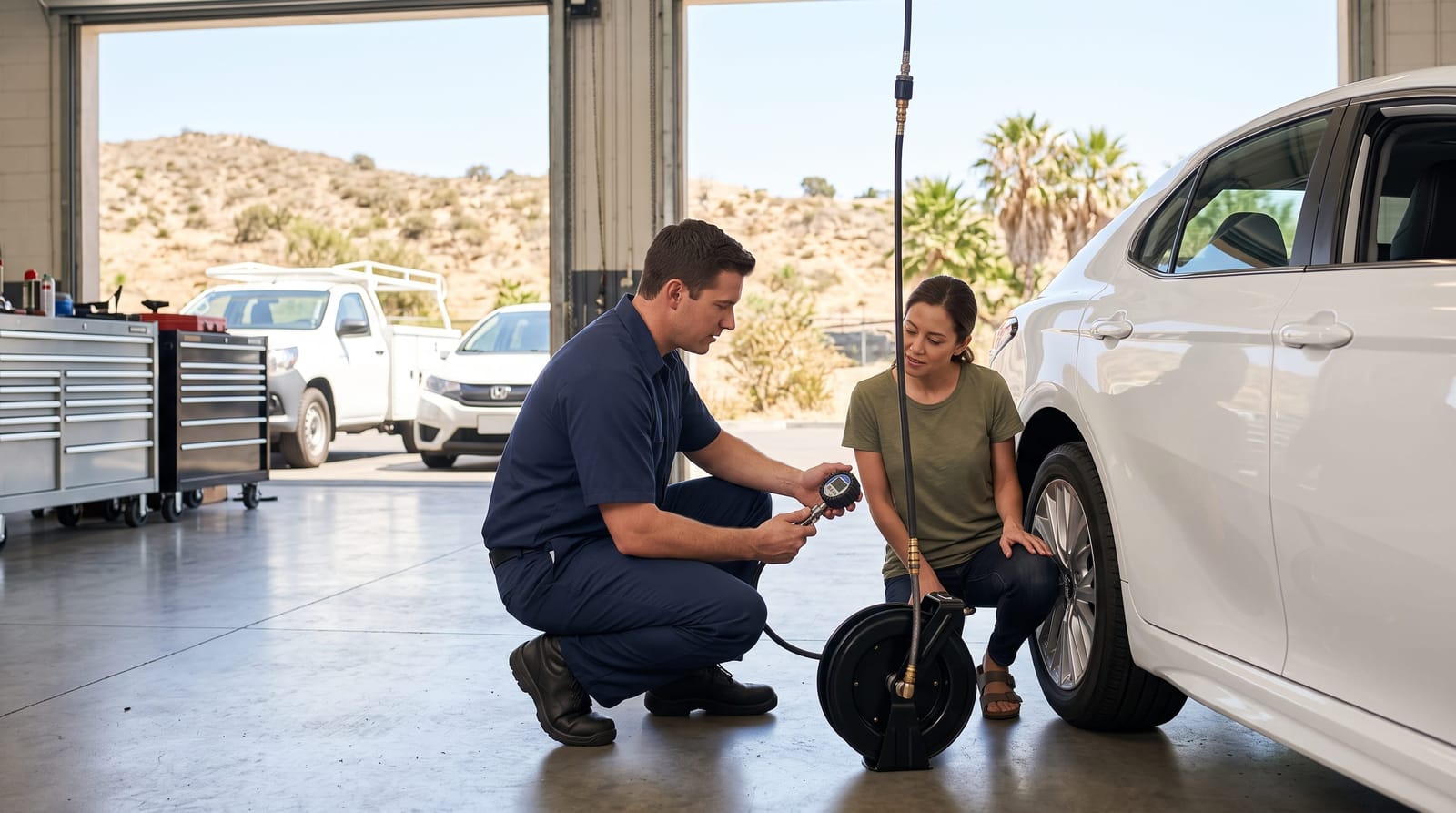
A tire check before school starts should cover tread depth on all four tires, proper inflation (which affects both safety and fuel economy), and a visual inspection for uneven wear, cracks, or bulges. Tire pressure should be checked monthly, and it's a simple habit to teach a teen driver as part of owning a car responsibly.
3. Oil Change
An oil change is the most routine maintenance service a car receives, but it's easy to let it slip during a busy summer. Fresh engine oil keeps the engine running smoothly, reduces internal friction, and helps the engine manage heat: something particularly important during Inland Empire summers when temperatures regularly exceed 100°F.
Most modern vehicles call for an oil change every 5,000 to 7,500 miles, though the exact interval depends on the vehicle and oil type. Before school starts, check when the last oil change was performed and schedule one if it's been a while. A current oil change also gives a technician the opportunity to do a broader under-the-hood review at the same time.
4. Lights (Headlights, Brake Lights, Turn Signals)
Burned-out lights are one of the most overlooked safety issues on teen drivers' vehicles, and one of the easiest to fix. Headlights matter most during early-morning commutes and evening school activities, when visibility is reduced. Brake lights and turn signals communicate the driver's intentions to everyone around them, which is especially important for less experienced drivers still developing situational awareness.
A lights check takes only a few minutes and should cover all exterior lights: headlights (both low and high beam), brake lights, turn signals front and rear, and reverse lights. If any are dim or flickering, that's worth addressing before the school year begins.
5. Wiper Blades
Wiper blades are inexpensive and easy to replace, but a surprising number of vehicles on the road have blades that streak, skip, or leave large portions of the windshield unclear. In Southern California, the rainy season typically arrives in the fall and winter: right when your teen's school year is in full swing. Worn wiper blades that seemed "good enough" in dry summer months can create genuine visibility problems the first time it rains.
Most wiper blades should be replaced every 6 to 12 months. If they're more than a year old, replacing them before school starts is a low-cost way to improve visibility when it matters most.
---Why a Digital Inspection Report Matters for Parents
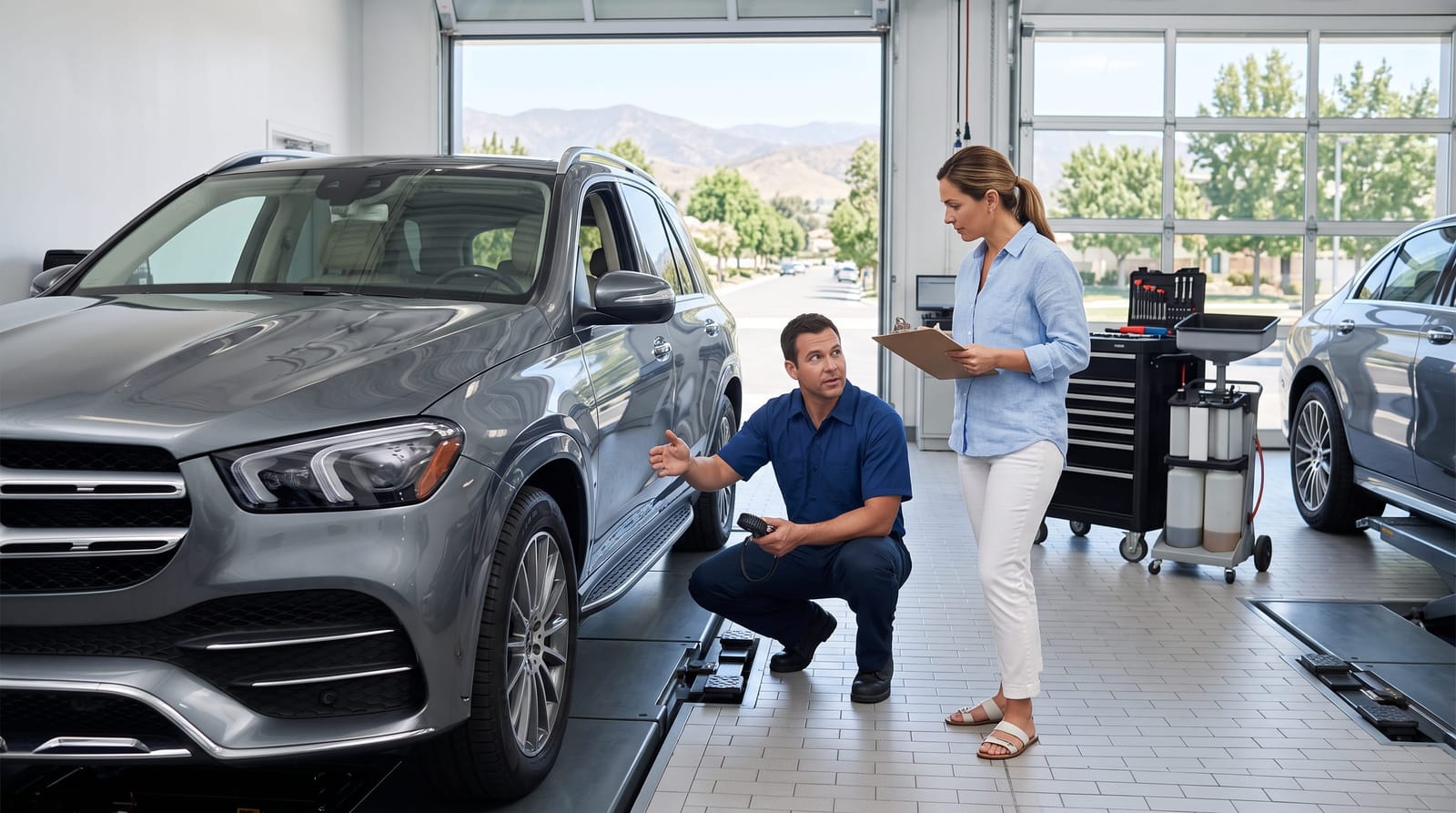
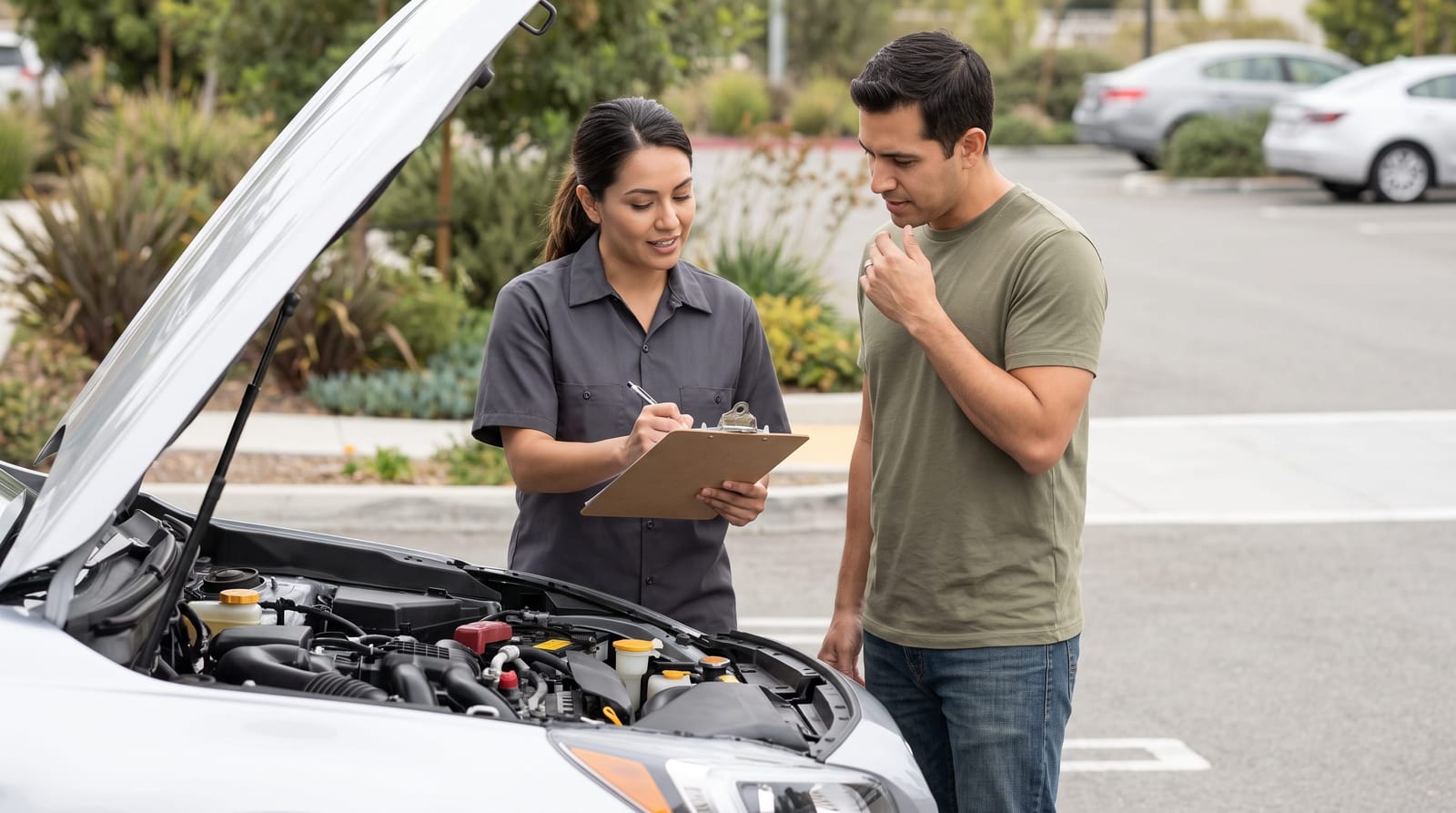
One of the most valuable parts of bringing your teen's car in for a pre-school inspection isn't just the service itself: it's the documentation that comes with it. At Rancho Express Lube, every vehicle service includes a digital inspection report that gives parents a clear, easy-to-read summary of the vehicle's condition.
This report shows what was checked, what passed inspection, and what, if anything, needs attention. It eliminates the guesswork of trying to remember what was serviced last and when. Parents can reference it throughout the year, share it with another shop if needed, and use it to have an informed conversation with their teen about the car's condition and what to watch for.
For many parents, the digital inspection report is the part of the visit that provides the most peace of mind. Knowing the brakes have been inspected, the tires are in good shape, and the lights are working isn't just reassuring: it's documented. That matters when your teen is driving to school every day.
---Frequently Asked Questions
How often should a teen driver's car be serviced?
A good general guideline is to follow the vehicle manufacturer's recommended maintenance schedule, which is typically found in the owner's manual. For most vehicles, an oil change every 5,000 to 7,500 miles is standard, while brakes and tires should be inspected at least once a year. Teen drivers who commute daily may accumulate miles faster than average, so keeping track of mileage between services is worth the effort.
What's the most important safety check for a teen driver's car?
Brakes and tires consistently rank as the two highest-priority safety systems on any vehicle. Both directly affect the driver's ability to stop and maintain control. A professional inspection of both before school starts gives parents confidence that the vehicle can respond safely in unexpected situations.
Can a teen driver learn to check basic vehicle conditions themselves?
Absolutely, and teaching them to do so is a valuable life skill. Tire pressure, fluid levels, and light function are all things a teen can learn to check with minimal instruction. Many shops, including Rancho Express Lube, are happy to walk young drivers through what to look for during a routine service visit.
Is a digital inspection report the same as a repair estimate?
No: a digital inspection report documents the current condition of your vehicle's key systems. It notes what was checked and whether each item is in good condition, needs attention, or requires service. It's informational rather than a sales document, and it gives parents a factual record of where their teen's vehicle stands at a specific point in time.
---Send Your Teen Back to School with Confidence
Preparing a teen driver's vehicle for the school year doesn't have to be complicated. Focusing on five core services, brakes, tires, oil change, lights, and wiper blades, covers the areas most likely to affect everyday safety and reliability. Add a documented digital inspection report to the process, and parents have a clear, honest picture of their teen's vehicle condition rather than simply hoping everything is fine.
Back-to-school car readiness is one piece of a larger vehicle maintenance picture. For a complete look at how to keep your car prepared through every season in the Inland Empire, visit our year-round Seasonal Car Maintenance Guide for Inland Empire Drivers: a practical resource designed for everyday drivers at every stage of the year.