What Does a Digital Inspection Show That Manual Inspection Misses?

When you bring your vehicle in for routine maintenance, you probably expect a thorough look at everything that matters, not just a quick glance under the hood. But how your service provider conducts that inspection makes a real difference in what gets found, what gets documented, and what gets communicated to you. The growing shift from traditional manual inspection to digital inspection technology is changing what vehicle owners receive, especially those with high-value cars that deserve careful attention. Understanding the digital inspection vs manual inspection difference helps you make smarter decisions about where you take your vehicle for service.
How Traditional Manual Inspections Work: and Where They Fall Short
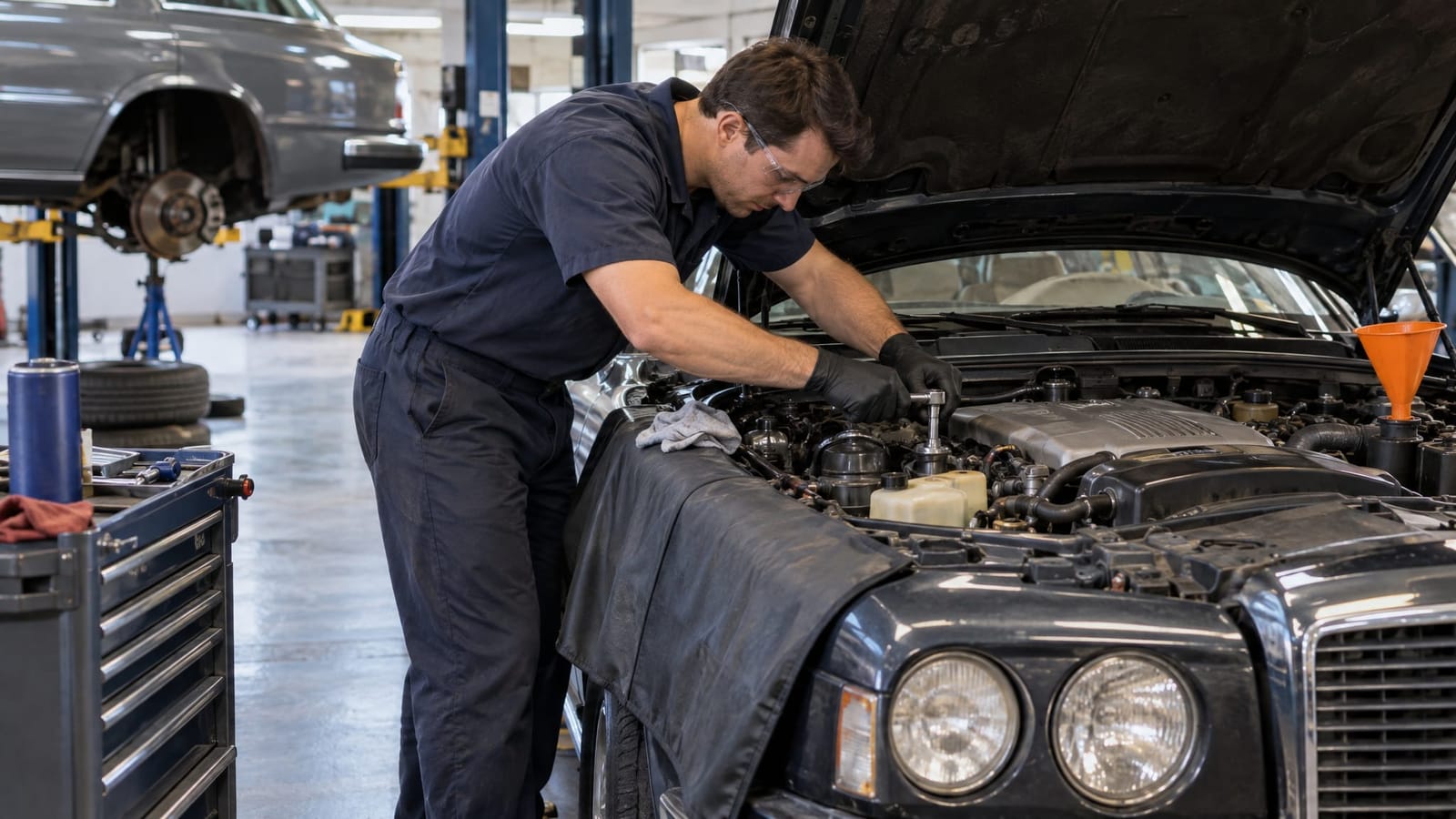
A manual inspection is exactly what it sounds like. A technician physically examines your vehicle's components, notes any observations on a paper form or from memory, and then relays that information to you verbally at the counter. For many years, this was the industry standard, and experienced technicians can absolutely identify common issues through hands-on examination.
But manual inspections come with some real limitations that are worth understanding:
- Inconsistency between technicians: One technician might notice a slightly worn wiper blade while another might not flag it at all. Results depend heavily on individual experience, attention, and routine.
- No visual proof for the customer: If a technician tells you your brake pads are getting thin, you have no way to see that for yourself unless you're invited under the vehicle, which rarely happens.
- Paper records are easily lost: Handwritten notes or paper inspection sheets don't travel with your vehicle's history in any meaningful way.
- Higher variability in defect detection: Research comparing automated and manual inspection processes shows that manual approaches produce higher defect escape rates: meaning some issues get missed entirely due to human error or time pressure.
- No timestamps or documentation trail: There's no record of exactly what was checked, when, and by whom.
None of this means manual inspections are worthless: they still rely on skilled technicians making real-time observations. But when it comes to thoroughness and accountability, there's a significant gap between manual processes and what today's digital tools can deliver.
What Digital Inspection Technology Actually Does Differently
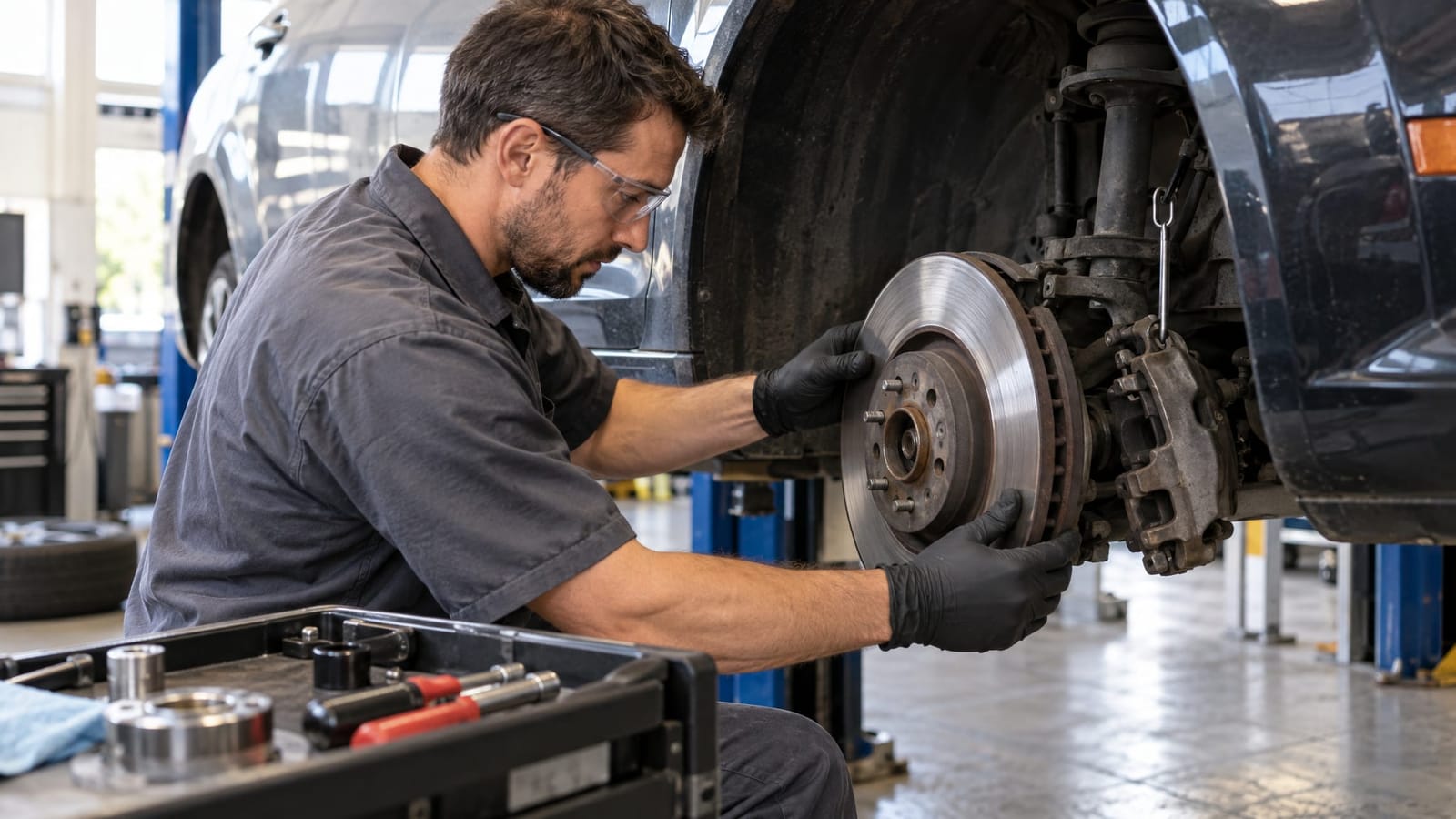
A digital inspection uses a tablet or mobile device to guide a technician through a standardized checklist of vehicle components. As each item is reviewed, the technician captures photos or short videos right at the point of inspection: showing exactly what the component looks like at that moment. Those images are then sent directly to the customer's phone or email, often while the vehicle is still being serviced.
Here's what sets digital inspections apart in practical terms:
- Photo and video documentation: You see exactly what the technician sees, a photo of your air filter, your tire tread depth, your brake pad thickness, all timestamped and attached to your vehicle's service record.
- Standardized checklists: Every vehicle goes through the same inspection points, regardless of which technician is working that day. This removes the variability that comes with manual processes.
- Real-time sharing with the customer: Instead of waiting to hear a verbal summary at the counter, you receive a report on your phone that you can review at your own pace.
- Faster throughput with fewer missed items: Studies comparing digital and manual inspection workflows show that digital systems increase inspection speed while reducing defect escape rates, in some manufacturing and service contexts, automated inspection systems have demonstrated defect detection rates exceeding 99%, compared to human inspection rates that typically fall between 80-85% under normal conditions.
- Persistent vehicle history: Every inspection is saved and searchable, giving you and future service providers a clear picture of your vehicle's condition over time.
For drivers who own newer vehicles, luxury models, or high-mileage cars where proactive maintenance is especially important, this level of documentation is genuinely valuable, not just a nice-to-have feature.
Why Documentation Matters for High-Value Vehicles
If you drive a vehicle that represents a significant investment, whether that's a newer model, a certified pre-owned car you want to protect, or simply a reliable vehicle you plan to keep for many years, documented inspection history has real-world value beyond just knowing what was checked.
Consider a few concrete scenarios where digital inspection records make a difference:
- Warranty and insurance situations: If a component fails and you need to demonstrate consistent maintenance history, digital records with photos provide clear evidence that your vehicle was properly maintained.
- Pre-sale documentation: When selling a vehicle, showing a buyer a detailed digital inspection history, including photos of key components at various service intervals, adds transparency and trust to the transaction.
- Tracking gradual wear over time: A digital inspection from six months ago and one from today can be compared side by side. You can actually see how your brake pads have worn or how your tire tread has changed, rather than relying on memory or verbal descriptions.
- Informed maintenance decisions: When you can see a photo of a component rather than just hear "it's getting worn," you're in a much better position to decide whether to address it now or monitor it at the next service visit.
This kind of transparency supports a more trusting relationship between vehicle owner and service provider, which is exactly what quality maintenance service should be built on.
What a Digital Inspection Typically Covers at an Oil Change
During a full service oil change that includes a digital inspection, a technician will typically document and photograph several key areas of your vehicle. While specific checklists vary by service provider, a thorough digital inspection usually includes:
- Engine air filter condition
- Cabin air filter condition
- Wiper blade wear and condition
- Tire tread depth and pressure (all four tires)
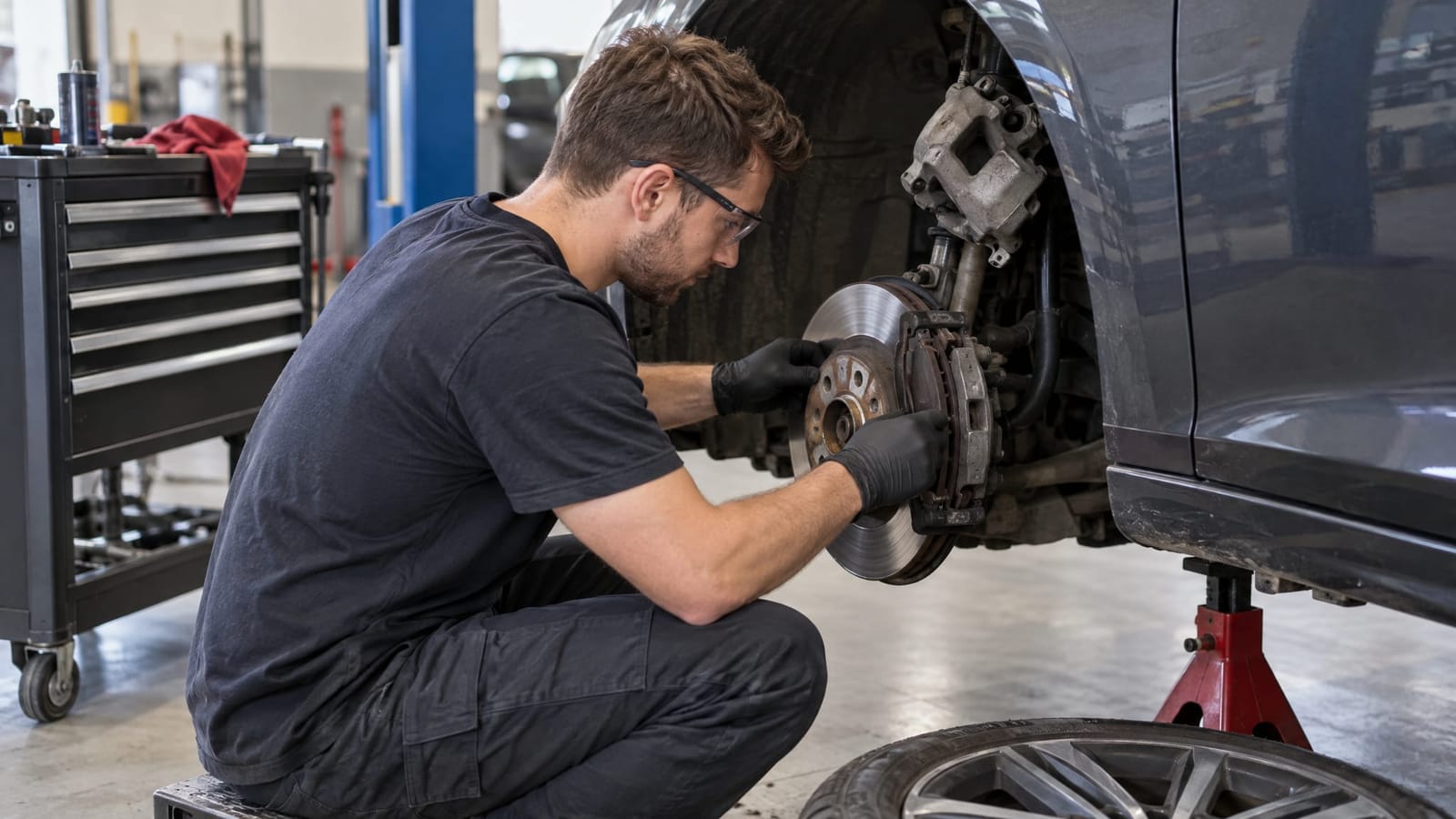
- Brake pad thickness (front and rear where visible)
- Fluid levels: coolant, brake fluid, power steering, transmission
- Battery condition and terminal connections
- Belts and hoses (visual inspection for cracking or wear)
- Lights: headlights, taillights, brake lights
Each of these items is photographed or noted within the digital system and sent to you as a complete report. You leave knowing not just that your oil was changed, but exactly what condition your vehicle was in on that specific date.
Frequently Asked Questions
Is a digital inspection the same as a diagnostic scan?
No: these are two different things. A digital inspection is a visual, documented review of your vehicle's physical components: things like brakes, tires, filters, and fluids. A diagnostic scan reads electronic fault codes from your vehicle's onboard computer system. Both are useful, but they serve different purposes. A digital inspection is typically included with routine maintenance services like an oil change.
Do I have to act on everything flagged in a digital inspection report?
Not at all. A digital inspection report is informational: it shows you the current condition of various components and flags anything that may need attention. Some items might be noted as "monitor at next service" rather than requiring immediate action. You're always in control of which services you choose to proceed with, and a good service provider will explain the difference between something that needs attention now versus something to keep an eye on.
How long does a digital inspection add to a service visit?
At a well-run shop, a digital inspection adds very little time to your overall service visit, typically just a few extra minutes, because the technician conducts it while your vehicle is already raised for the oil change. The documentation happens in real time, so you're not waiting for a separate process. You usually receive your inspection report on your phone before you leave the service bay.
Is a digital inspection worth it for an older vehicle?
Absolutely: arguably more so. Older vehicles with higher mileage have more wear-related items to monitor, and having photo documentation of component conditions helps you plan ahead for maintenance rather than react to unexpected repairs. Knowing the current state of your brakes, belts, and fluids on a vehicle with 80,000 or 100,000 miles gives you a much clearer maintenance picture than a verbal summary alone.
The Bottom Line on Digital vs. Manual Inspections
The difference between a digital inspection and a manual inspection comes down to consistency, documentation, and transparency. Manual inspections rely on individual technician attention and leave little record behind. Digital inspections follow standardized checklists, capture photo evidence, and send you a clear report you can reference anytime. For vehicle owners who value knowing exactly what's happening with their car, and having proof of it, digital inspection technology is a meaningful upgrade to the routine maintenance experience. It's one of the reasons a truly full service oil change is more than just an oil change.