Cabin Air Filter Replacement: Breathing Clean Air in Your Vehicle
Most drivers know they need to change their engine oil regularly. Fewer think about the small filter tucked behind the glove box: the cabin air filter. Yet this part quietly determines the quality of air you and your passengers breathe every time you drive. As part of our broader Vehicle Air Filtration Guide, this beginner's guide breaks down everything you need to know about cabin air filter replacement, including what the filter actually does, how often to replace it, and why Ontario, CA drivers should pay especially close attention.
If you've noticed weak airflow from your vents, a musty smell when you turn on the heat or AC, or more dust settling on your dashboard than usual, this guide is for you. We'll walk through filter types, replacement intervals, warning signs, and what happens when a clogged filter is ignored too long.
What Is a Cabin Air Filter and What Does It Do?
The cabin air filter is a rectangular filter, usually about the size of a thick paperback book, that sits in the path of air flowing into your vehicle's heating, ventilation, and air conditioning (HVAC) system. Before outside air reaches the vents inside your car, it passes through this filter.
Its job is straightforward: capture airborne particles so they don't circulate through your vehicle's interior. A properly functioning cabin air filter traps:
- Dust and fine dirt particles
- Pollen and mold spores
- Exhaust soot from other vehicles
- Insects and debris
- Some airborne bacteria and allergens (depending on filter type)
According to the U.S. Environmental Protection Agency, indoor air, including vehicle cabin air, can be 2 to 5 times more polluted than outdoor air when filtration systems aren't maintained. That's a meaningful number, especially for people who spend 30 to 60 minutes or more commuting each day.
The cabin air filter is different from the engine air filter, which protects the engine itself. If you're curious about how the engine filter works, our post on engine air filter replacement Fontana CA covers that side of vehicle filtration in detail.
The Three Main Types of Cabin Air Filters
Not all cabin air filters are built the same way. Understanding the differences helps you choose the right filter for your driving environment, especially in Southern California.
Standard Particulate Filters
These are the most common and least expensive option. Standard cabin filters use layered paper or fibrous material to capture dust, pollen, and debris. They work well in typical driving conditions and are a solid choice for most vehicles. Expect to pay between $15 and $40 for a standard filter, depending on your vehicle.
HEPA-Style Filters
HEPA stands for High-Efficiency Particulate Air. HEPA-style cabin filters capture smaller particles than standard filters: down to 0.3 microns in many cases. That means they're more effective at trapping fine dust, allergens, and airborne irritants. They're a good upgrade for drivers with allergies or respiratory sensitivities. HEPA-style filters typically cost $30 to $70.
Activated Charcoal (Carbon) Filters
Activated charcoal filters add a carbon layer on top of the standard filtration material. That carbon layer absorbs odors and gases, including exhaust fumes, smog byproducts, and volatile organic compounds (VOCs). For anyone driving in heavy traffic or in areas with poor air quality, an activated charcoal filter provides an extra level of protection. These typically range from $25 to $60.
For Ontario, CA drivers, activated charcoal or HEPA-style filters are worth considering. The South Coast Air Quality Management District reports that the Inland Empire regularly experiences some of the worst air quality days in California, with ozone and fine particle pollution exceeding federal health standards on many days each year. A better filter means cleaner air inside your vehicle on those high-pollution days.
How Often Should You Replace Your Cabin Air Filter?
The general industry recommendation is to replace your cabin air filter every 12,000 to 15,000 miles, or about once a year for most drivers. Some manufacturers extend that interval to 20,000 to 25,000 miles under ideal conditions, but ideal conditions aren't common in Southern California.
Why Ontario and Inland Empire Drivers May Need More Frequent Changes
Several factors in the Inland Empire environment can clog a cabin air filter faster than the standard interval suggests:
- High traffic volume: The 10, 15, and 60 freeways carry heavy diesel and commercial traffic, which adds soot and exhaust particles to the air.
- Wildfire smoke: Southern California wildfire seasons have grown longer and more intense in recent years. Smoke particles saturate filters quickly.
- Dry and dusty conditions: Hot, dry weather during summer and fall stirs up fine dust that finds its way into your vehicle's air intake.
- Urban air pollution: The South Coast AQMD recorded over 90 unhealthy air quality days in some Inland Empire monitoring areas in recent years.
If you're driving 12,000 to 15,000 miles a year primarily on local freeways and surface streets, checking your cabin air filter annually as part of your regular maintenance routine is a practical habit.
Signs Your Cabin Air Filter Needs Replacing
Your vehicle won't throw a warning light when the cabin air filter gets clogged. You have to rely on a few practical clues instead.
Weak Airflow from Your Vents
This is the most common sign. If your heater or AC used to push out strong airflow and now feels sluggish, even on the highest fan setting, a clogged filter may be the reason. The blower motor is working just as hard, but the filter is so packed with debris that it's restricting the airflow path.
Musty or Unpleasant Odors
A filter saturated with dust, pollen, and moisture becomes a place where mold and bacteria can grow. When you turn on the AC or heat, that musty smell gets pushed right into the cabin. If you've noticed an unpleasant odor when the HVAC first kicks on, a dirty filter is a frequent culprit. Our post on dirty cabin air filter smell causes explains why this happens and what to do about it.
More Dust Inside Your Vehicle
If you're wiping down your dashboard more often than usual, or noticing a fine layer of dust accumulating on interior surfaces, it could mean the filter is no longer capturing particles effectively. A filter that's past its useful life lets more debris pass through into the cabin.
Increased Allergy Symptoms While Driving
If you or your passengers notice sneezing, itchy eyes, or congestion that seems worse inside the car, a worn-out cabin filter may not be keeping up with pollen and allergen levels, especially during peak wildfire or allergy seasons.
A clogged filter also directly affects your AC system's ability to cool effectively. For a deeper look at that connection, check out our article on clogged cabin air filter AC performance.
What Happens If You Wait Too Long?
Skipping cabin air filter replacement doesn't lead to immediate vehicle damage, but prolonged neglect does create real problems beyond poor air quality.
Blower Motor Strain
The blower motor is the component that pushes air through your HVAC system and out through the vents. When a cabin air filter becomes severely clogged, the blower motor has to work much harder to move the same amount of air. Over time, this added strain can shorten the motor's lifespan. Blower motor replacement typically runs between $200 and $500 or more depending on the vehicle: a cost that's easily avoided with a timely filter change.
Reduced Heating and Cooling Efficiency
A restricted airflow path makes your entire HVAC system less efficient. Your AC may take longer to cool the cabin on a hot day. Your heater may feel less effective in cooler months. The system is working harder for worse results.
Worsening Air Quality Over Time
A filter so clogged it can no longer capture particles effectively essentially becomes a source of debris rather than a barrier against it. Dislodged particles, mold spores, and accumulated grime can be pushed into the cabin air when the fan runs at higher speeds.
None of these outcomes are dramatic or sudden, but they're all avoidable with a simple, affordable maintenance step.
What to Expect from Cabin Air Filter Replacement Service
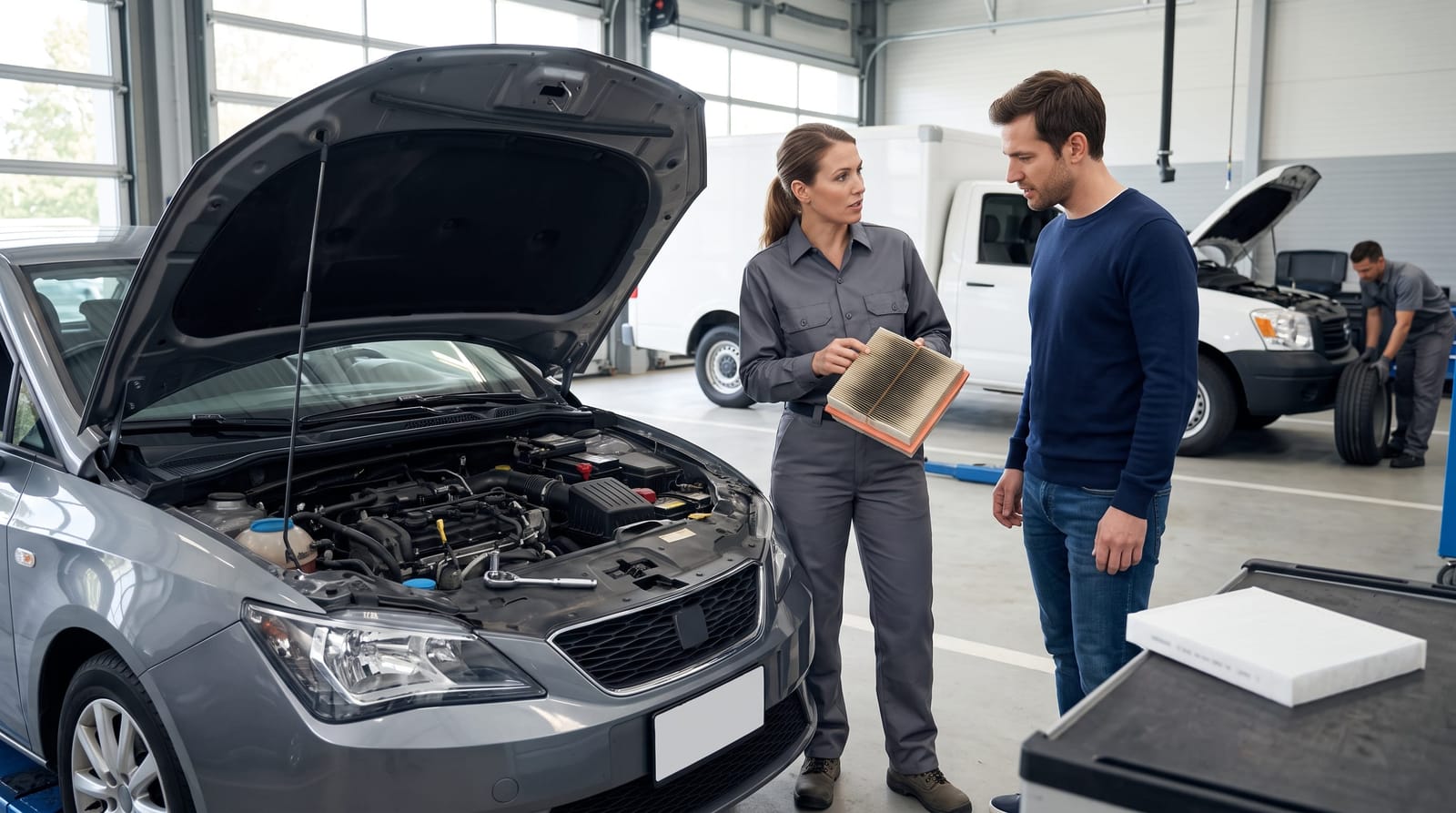
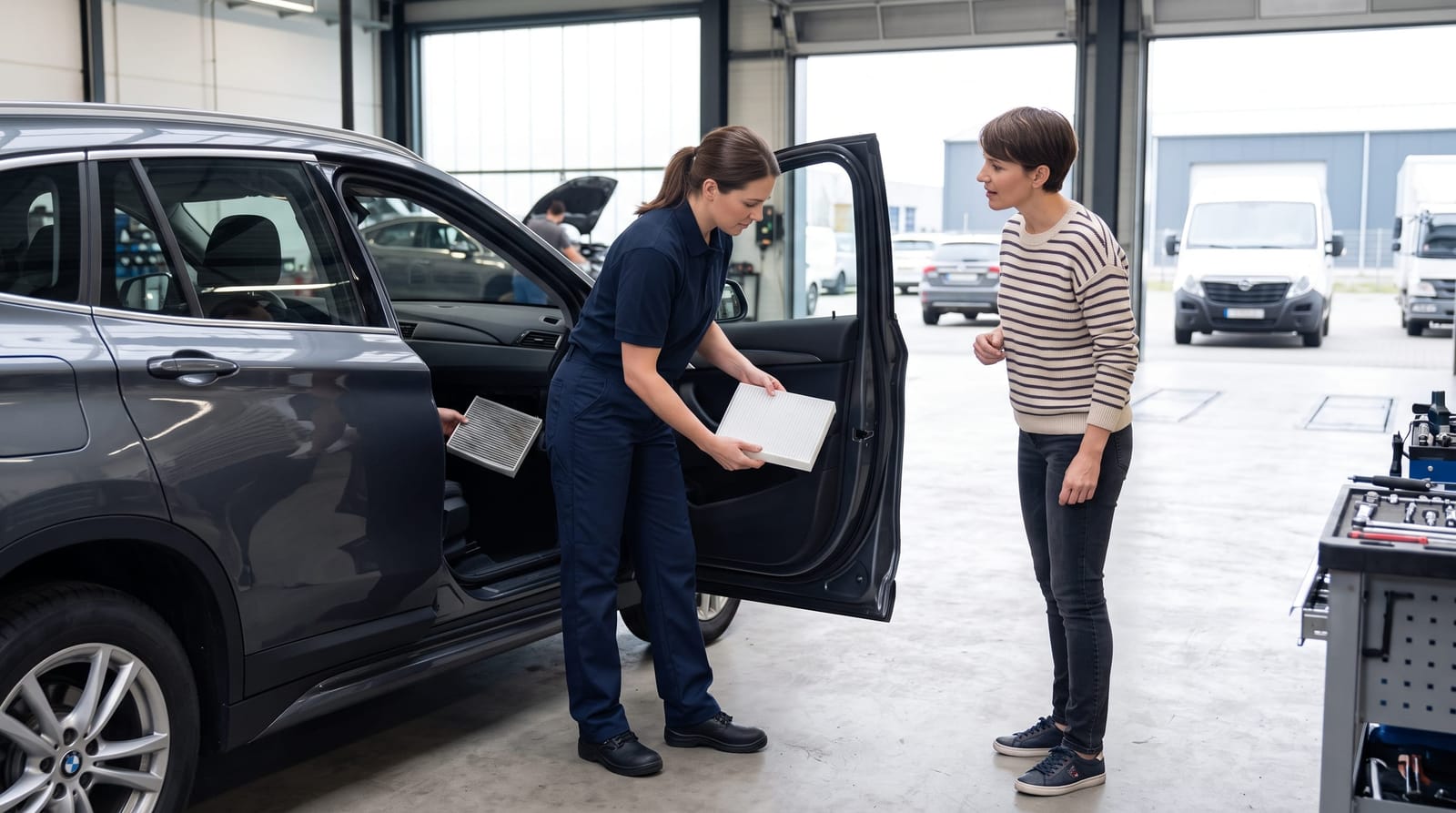
Cabin air filter replacement is one of the quickest and most straightforward maintenance services available. In most vehicles, the filter is located behind the glove box or under the dashboard, and the replacement process takes 15 to 30 minutes.
When you bring your vehicle in for a cabin air filter replacement service in Ontario, CA, a service technician will:
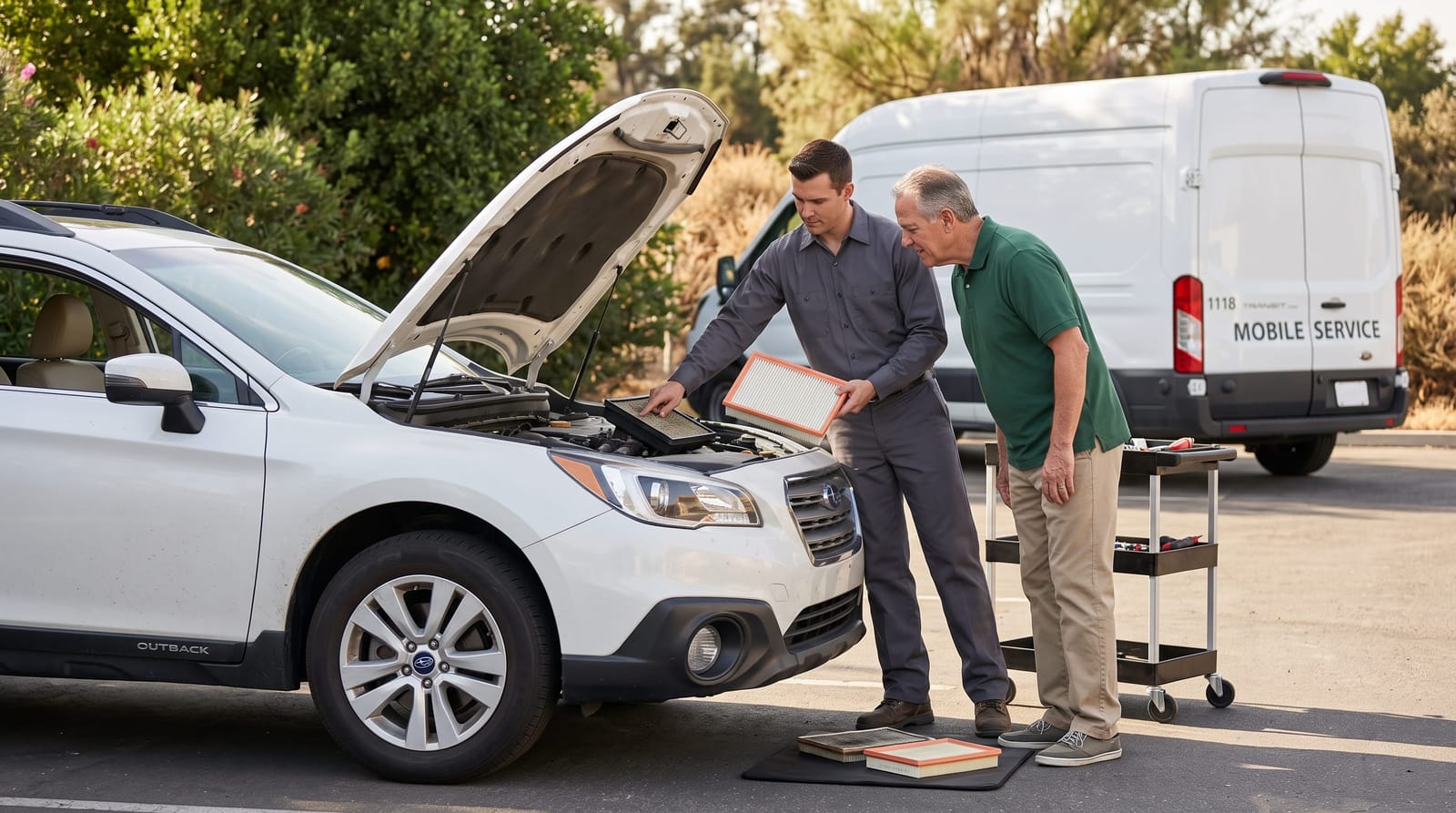
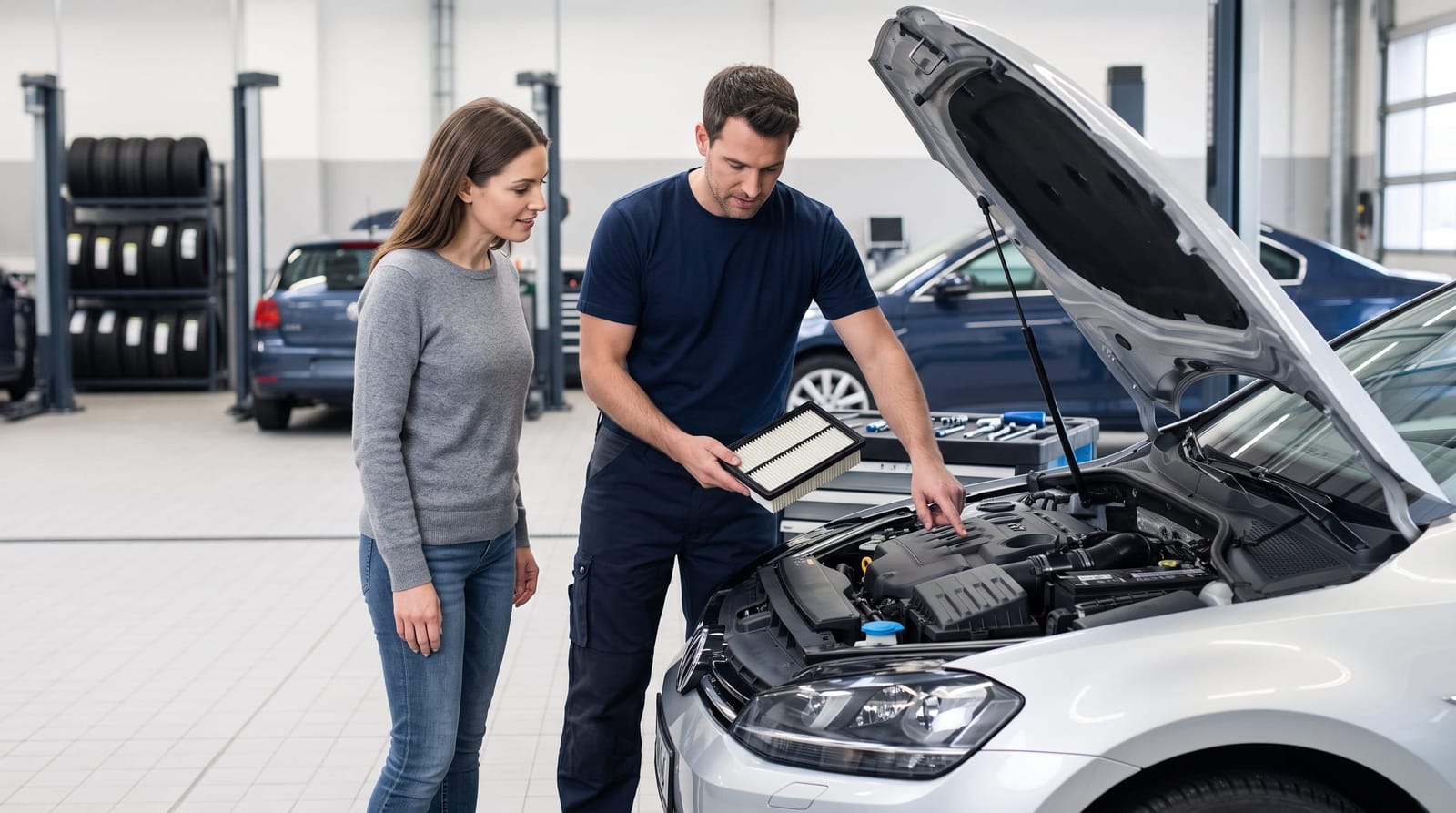
- Remove the old filter and show you its current condition
- Inspect the filter housing for debris or buildup
- Install the correct replacement filter for your vehicle's make and model
- Confirm airflow is restored before returning your vehicle
The cost of the filter itself ranges from $15 to $70 depending on the type you choose. Labor is minimal. It's one of the most cost-effective maintenance services for the benefit it provides.
Many drivers combine cabin air filter replacement with an oil change or other routine service to keep everything on a single schedule. That's a practical approach that saves time and keeps your maintenance records easy to track.
Related Topics Worth Exploring
Cabin air filtration connects to several other areas of vehicle maintenance that are worth understanding as a complete picture:
- How a dirty cabin air filter affects your AC system: Reduced airflow from a clogged filter is one of the most overlooked reasons an AC system underperforms in summer heat.
- What different filter odors mean, Not all filter smells are the same. A musty smell often signals mold; a dusty or smoky smell may indicate wildfire particle buildup. Understanding the difference helps you act at the right time.
- Engine air filter replacement, While the cabin filter protects you, the engine filter protects your vehicle's powertrain. Learn more about engine air filter replacement Fontana CA and how both filters work together to keep your vehicle running well.
Final Thoughts
The cabin air filter is a small part that makes a noticeable difference in your daily driving experience. Clean air in the cabin, consistent airflow from your vents, and a blower motor that isn't being overworked, all of that comes down to a filter that's replaced on time.
For Ontario, CA drivers dealing with freeway pollution, wildfire smoke, and dry Inland Empire conditions, staying on top of this service is especially worthwhile. Every 12,000 to 15,000 miles, or once a year, is a reasonable starting point.
If you're not sure when your cabin air filter was last replaced, or if you've noticed any of the warning signs covered here, bring your vehicle by Rancho Express Lube. We'll take a look, show you what we find, and get you back on the road breathing easier.