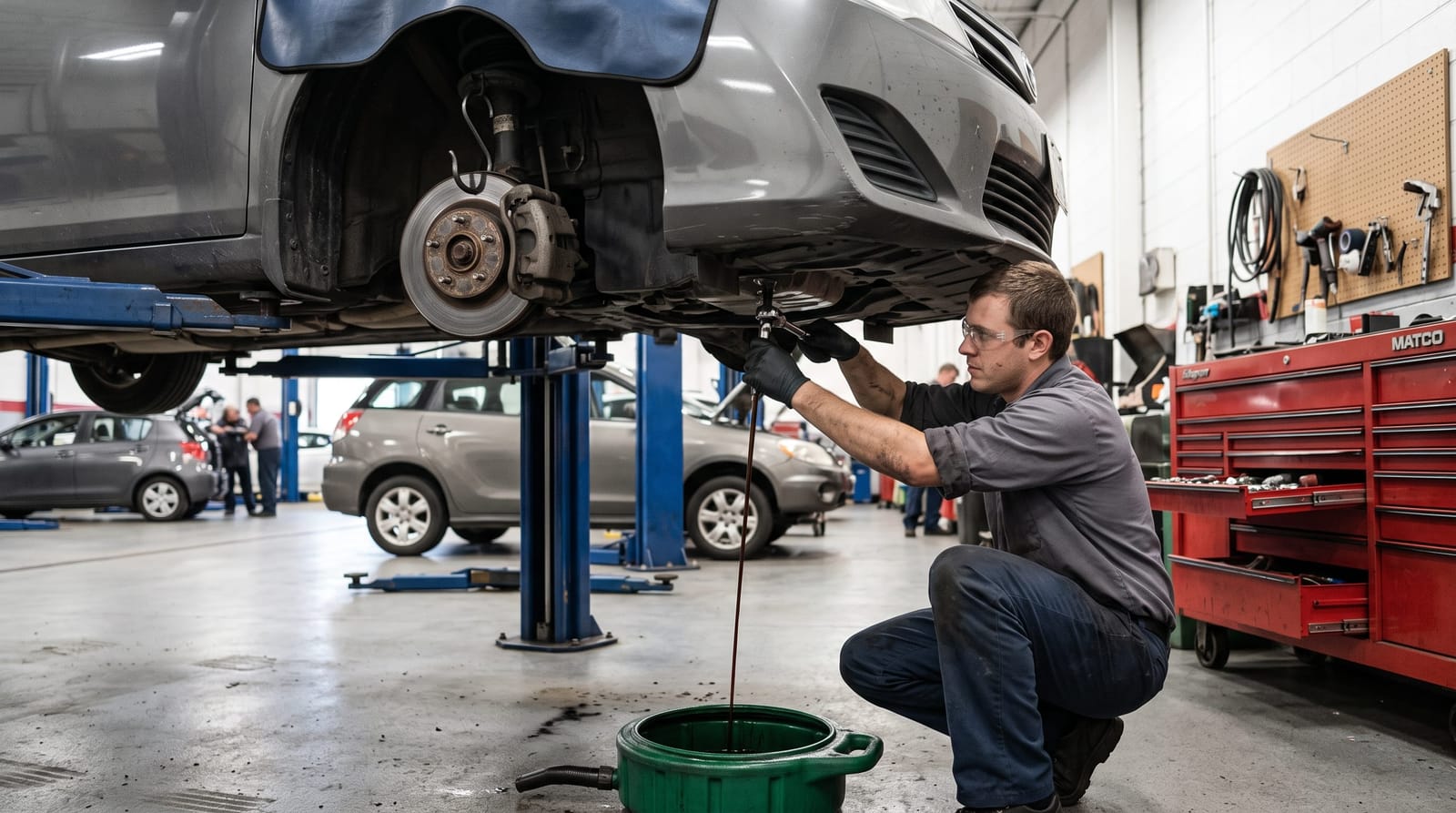
Why ASE Certified Technicians Make a Difference for Your Oil Change
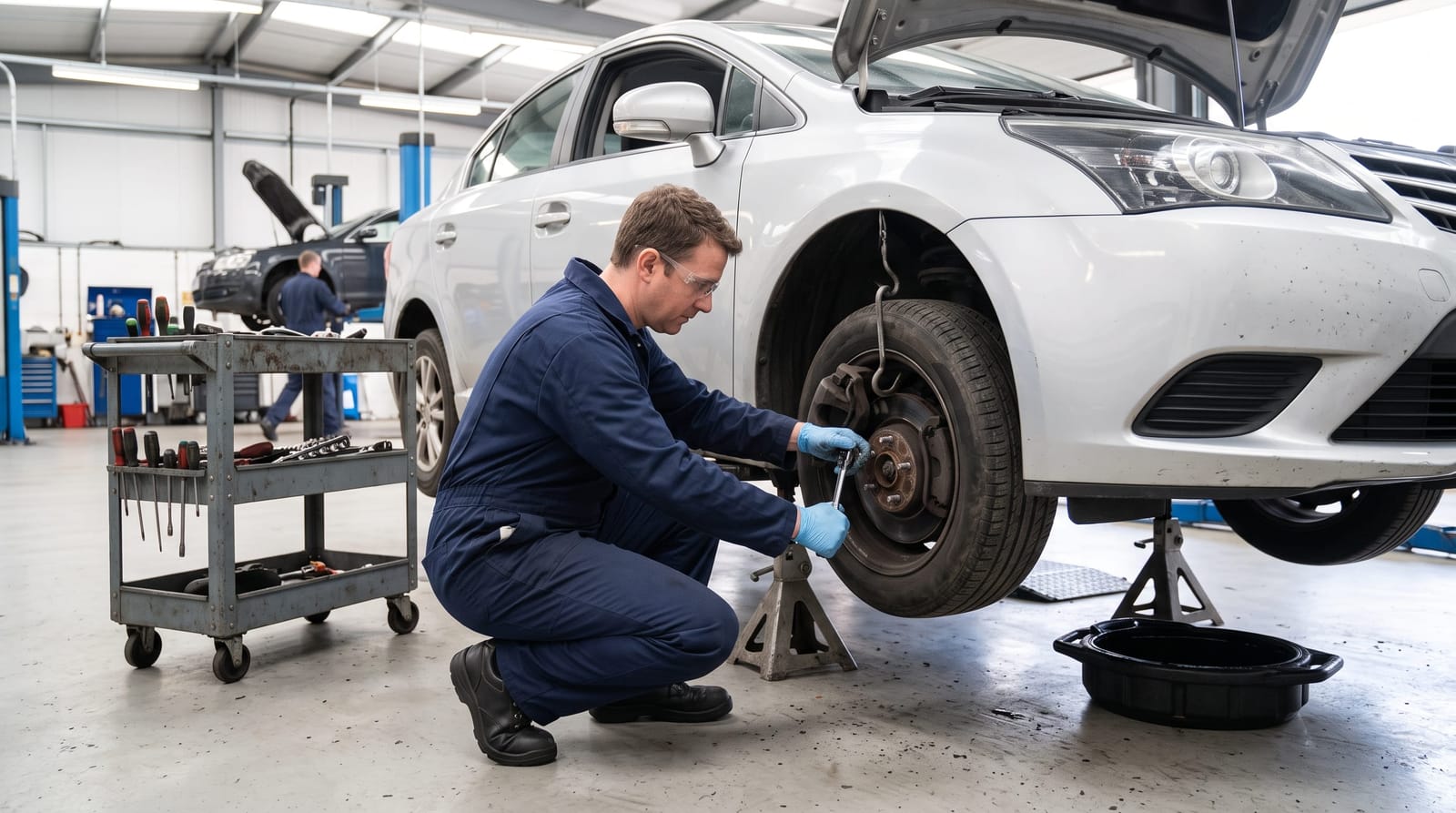
When you pull into a quick-lube shop, it's easy to assume that an oil change is an oil change: that the person draining your engine oil has the same level of training regardless of where you go. But that assumption can cost you. For vehicle owners in Rancho Cucamonga, Ontario, and Fontana who depend on their cars daily and want service done right the first time, understanding what ASE certification actually means, and why the ASE certification requirement for brake technicians and other automotive specialists matters: is a worthwhile few minutes of reading. This post breaks it down clearly and practically.
What Is ASE Certification, and How Does a Technician Earn It?
ASE stands for the National Institute for Automotive Service Excellence, an independent nonprofit organization that has set the standard for automotive technician competence since 1972. ASE certification is not a company credential or a training certificate handed out after a weekend course. It is an earned designation that requires two things: demonstrated work experience and passing a rigorous standardized exam.
Here is what the certification process actually involves:
- Minimum two years of hands-on work experience in the relevant area of automotive service (or equivalent training combined with field time)
- Passing a proctored written examination covering the specific service area, for example, the A5 Brakes test for brake technicians, or designated tests for engine performance, electrical systems, heating and air conditioning, and more
- Recertification every five years to ensure technicians stay current with evolving vehicle technology
- Separate certification levels for entry-level and master technician status
There are over 40 different ASE certification tests across categories including automobile, medium/heavy truck, collision repair, and more. A technician who holds multiple certifications, such as brakes, engine performance, and HVAC, demonstrates a broader depth of knowledge across your vehicle's major systems. The point is simple: ASE certification is verified competence, not just claimed experience.
ASE Certified vs. Non-Certified: What the Difference Looks Like in Practice
This is where things get practical for everyday car owners. At a non-certified quick-lube location, there are no minimum requirements to touch your vehicle. An employee hired last week may be draining your oil after minimal on-the-job training. That does not mean every uncertified technician does poor work, but it does mean there is no independent third party verifying their skills.
Here is how the experience typically differs:
- Drain plug torque: An ASE-certified technician knows the correct torque specification for your vehicle's drain plug. Over-tightening strips the threads; under-tightening causes leaks. Both are avoidable with proper training.
- Filter selection: Not every oil filter fits every engine the same way. A trained technician selects the right filter for your specific make, model, and oil type, especially important with synthetic oil on European or luxury vehicles.
- Spotting related issues: During an oil change, a knowledgeable technician can identify wear patterns or fluid conditions that indicate something worth monitoring, like brake fluid that looks dark or a belt that is beginning to show cracking. This is observation, not upselling.
- Proper fill volume: Overfilling engine oil is a real issue that can cause foaming and oil pressure problems. Getting the fill volume right requires knowing your vehicle's actual capacity, not guessing.
Studies by the Automotive Aftermarket Industry Association have found that shops employing ASE-certified technicians report measurably higher customer satisfaction scores and lower rates of repeat service visits for the same issue. The certification is not just a wall decoration: it reflects a real difference in how work gets done.
Why This Matters More for High-Value and European Vehicles
If you drive a standard commuter vehicle, a less-than-perfect oil change may cause no obvious problem for quite a while. But if you drive a BMW, Mercedes-Benz, Audi, Lexus, Volvo, or similar vehicle, the margin for error is smaller and the cost of a mistake is higher.
Here is why certified expertise matters more for these vehicles specifically:
- Extended oil change intervals: Many European luxury vehicles are engineered for 10,000- to 15,000-mile oil change intervals when the correct full synthetic oil is used. Using the wrong oil viscosity or a conventional oil defeats the engineering of the entire system.
- OEM-specification fluids: Vehicles like Volkswagen, BMW, and Mercedes have specific oil approval standards (such as VW 502.00 or BMW Longlife-01). An ASE-certified technician familiar with these specs selects the right fluid rather than defaulting to whatever is in stock.
- Drain plug and filter housing design: Many European vehicles use cartridge-style oil filters and plastic drain plug housings that require specific handling. Improper technique on these components can result in damage that costs far more than the oil change itself.
- Warranty documentation: Keeping accurate records of certified service can support your vehicle's maintenance history and resale value, especially for luxury vehicles where buyers pay attention to service documentation.
For drivers in Rancho Cucamonga, Ontario, and Fontana who have invested in a quality vehicle, choosing a shop with ASE-certified technicians is simply protecting that investment with the same level of care it was designed to receive. Understanding what a multi-point inspection includes is also worthwhile, since a certified technician's inspection covers far more than just the oil itself.
What to Ask Before You Let Anyone Change Your Oil
Not every shop advertises their technician qualifications upfront, so it pays to ask a few direct questions before your next service visit:
- "Are your technicians ASE certified?": A shop confident in their team will answer this clearly and without hesitation.
- "Which oil will you be using, and what viscosity?": The answer should match your owner's manual specification, not just a generic recommendation.
- "Do you have experience with [your vehicle make]?", For European or luxury vehicles, familiarity with specific service requirements matters.
- "Will I receive a written record of the service?": Documented service records are important for warranty purposes and resale value.
- "Do you conduct a vehicle inspection as part of the oil change?": A certified technician should be able to note any obvious concerns observed during service.
A reputable shop will welcome these questions. If a shop is evasive or dismissive when you ask about technician credentials, that is useful information on its own.
Frequently Asked Questions
What does ASE certification actually test for?
ASE certification tests cover specific areas of automotive service, including engine repair, brakes, electrical systems, heating and air conditioning, and engine performance. Each test requires passing a written examination with questions developed by industry experts. The A5 Brakes test, for example, covers brake system diagnosis, repair, and inspection in detail. Technicians must demonstrate both theoretical knowledge and practical experience to earn and maintain their certification.
Does ASE certification expire?
Yes. ASE certifications are valid for five years. After that period, technicians must recertify by retesting to maintain their status. This recertification requirement is important because vehicle technology evolves: particularly with hybrid systems, advanced driver assistance features, and updated fluid specifications. A technician who certified a decade ago and never renewed may be working from outdated knowledge.
Is ASE certification required by law to work on vehicles?
No, ASE certification is not a legal requirement in most states for performing general automotive maintenance. It is a voluntary professional credential. However, some employers, fleet operators, and dealerships require it as a condition of employment. For vehicle owners, it serves as an independent indicator of verified skill, which is why asking about it before choosing a service provider is a reasonable and practical step.
Can I trust an ASE-certified technician for synthetic oil changes on my luxury car?
ASE certification is a meaningful indicator of training and knowledge, and a certified technician with experience in European or luxury vehicles is well-equipped to handle synthetic oil changes correctly. That said, it is always reasonable to ask about specific experience with your vehicle's make and model, since familiarity with manufacturer-specific requirements adds an additional layer of confidence. Most certified technicians are happy to explain their experience and the products they use.
The Bottom Line: Certification Is a Practical Standard, Not Just a Badge
ASE certification represents a straightforward, independently verified standard of automotive knowledge. For routine services like oil changes, that foundation of training translates into better attention to detail, correct product selection, and the ability to notice things a less-experienced technician might miss. For vehicle owners in the Inland Empire, particularly those with European, luxury, or higher-mileage vehicles, choosing a shop with certified technicians is a practical decision, not an overly cautious one. At Rancho Express Lube, our ASE-certified team is here to provide the kind of service your vehicle was built to receive, done right the first time.