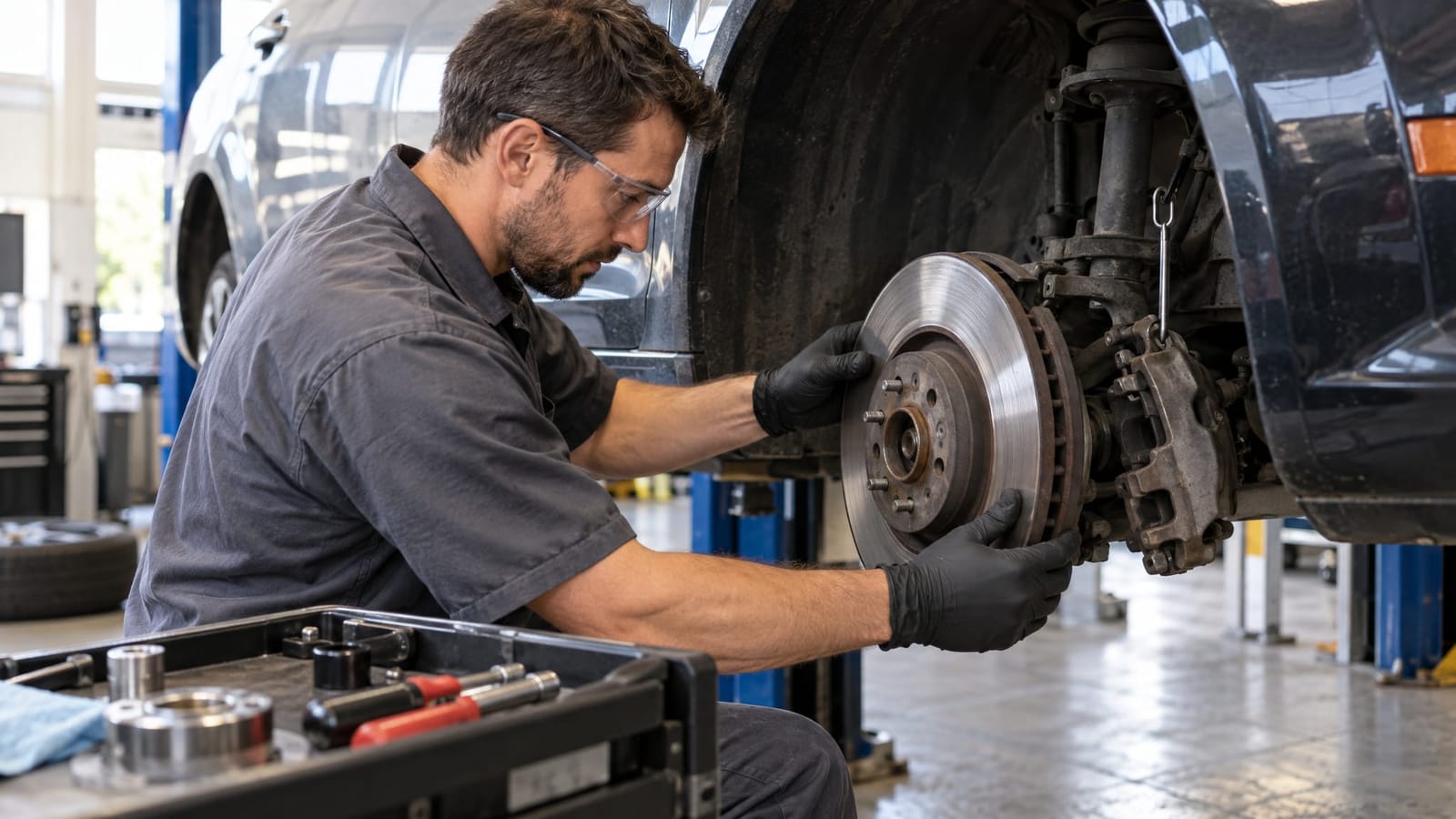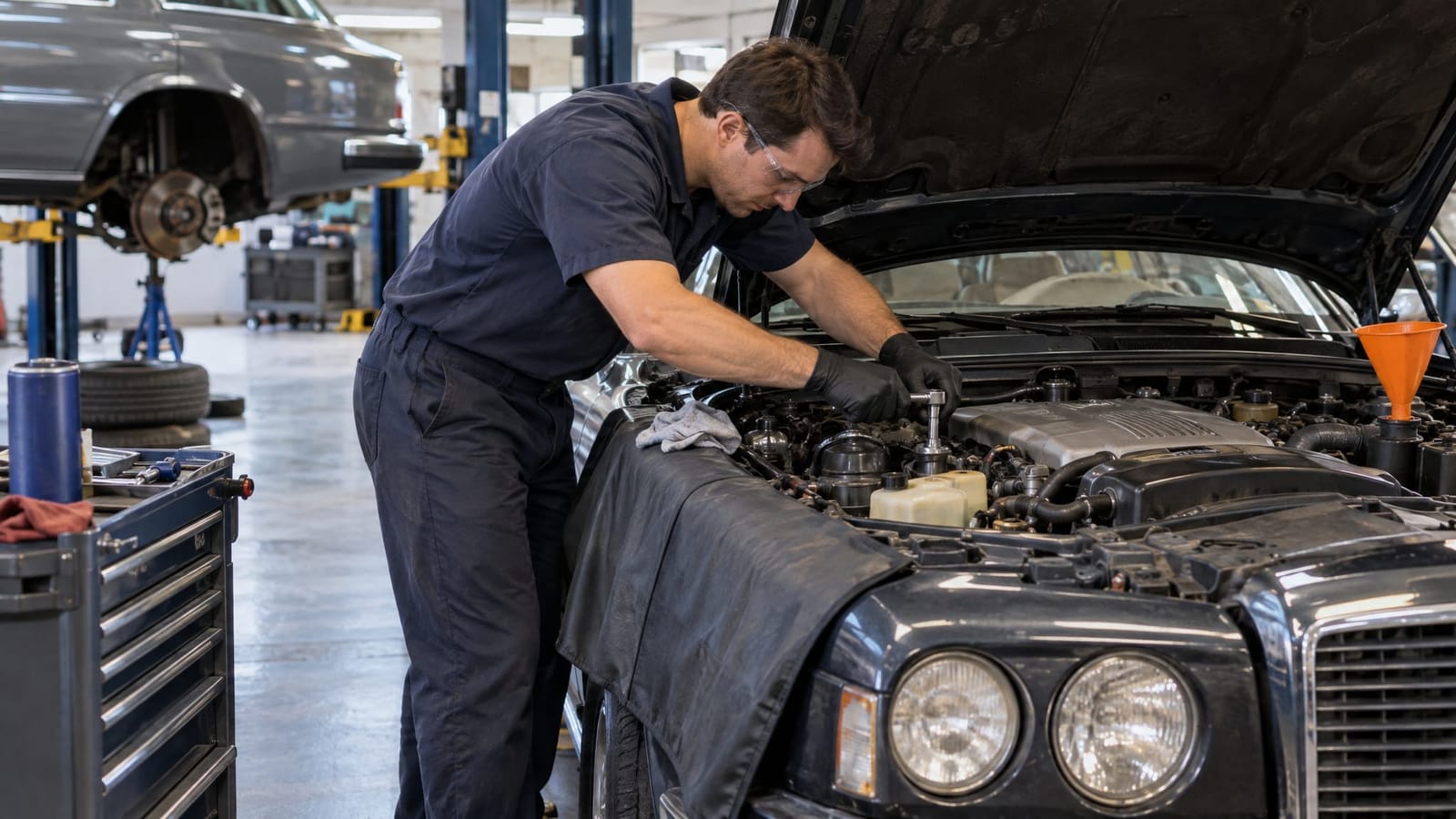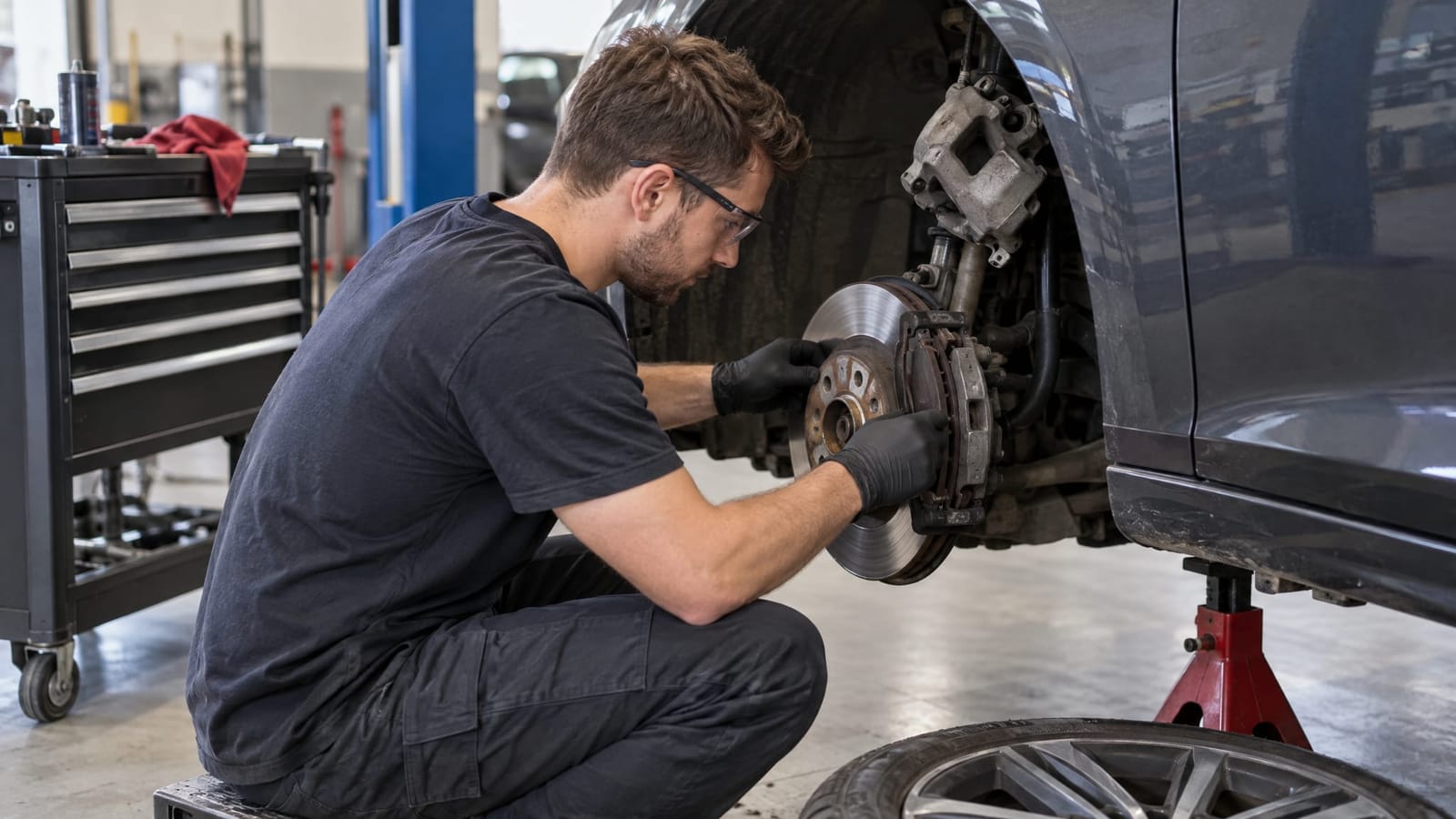
European Vehicle Oil Change: Specialized Service for German and Luxury Imports
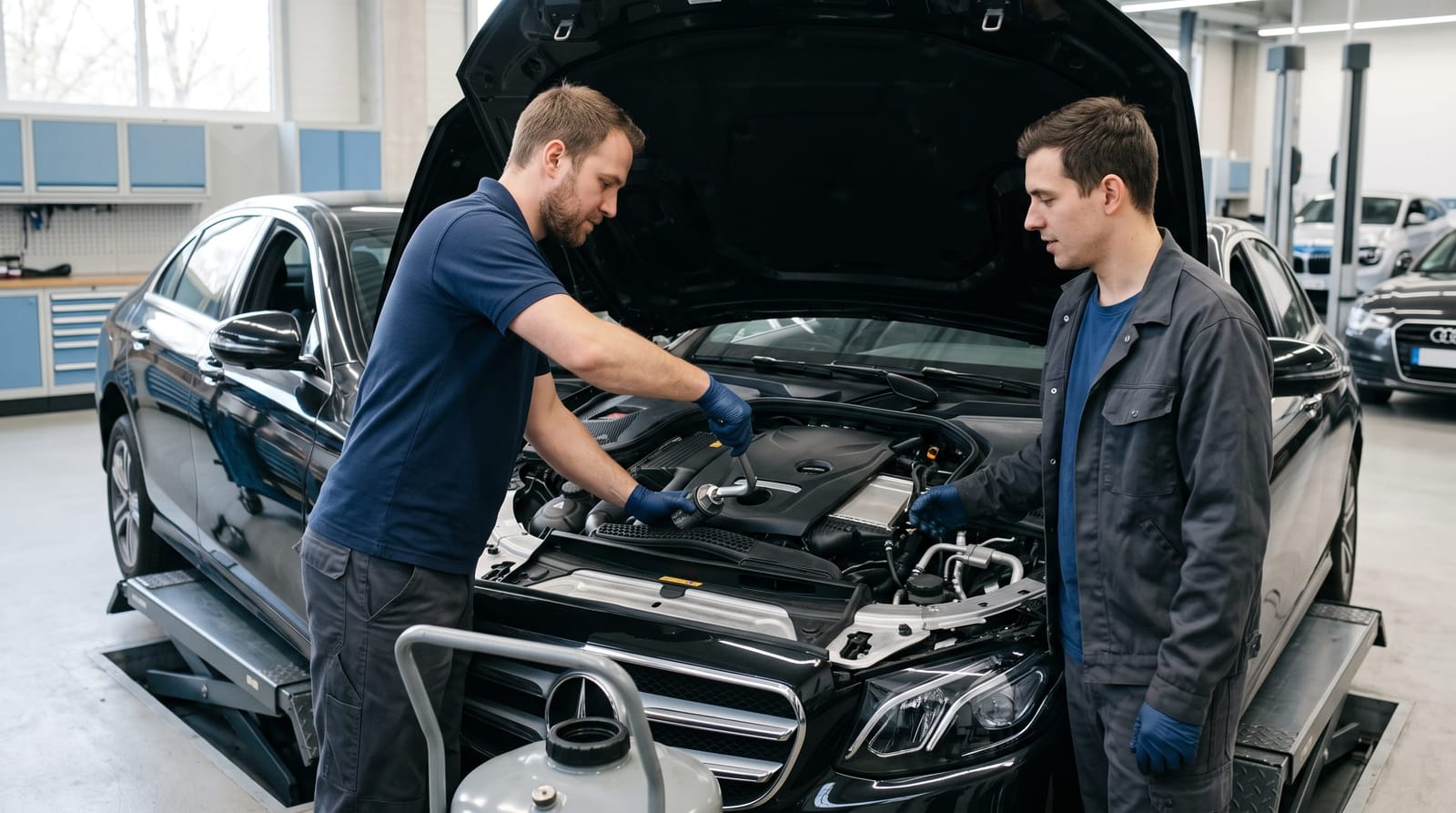
When it comes to full service oil change care, European vehicles occupy a category all their own. If you own a BMW, Mercedes-Benz, Audi, Volkswagen, Volvo, or another European import, you've likely noticed that routine maintenance feels a little different than it does for domestic vehicles. That's not just a perception: it's engineering reality. European vehicles are designed with specific oil formulations, longer service intervals, and tighter mechanical tolerances that make generic oil change service a poor fit. This guide explains exactly what sets European oil change service apart, what your vehicle actually needs, and how working with a knowledgeable service provider protects your investment for the long haul.
Why European Vehicles Have Different Oil Requirements
European automakers, particularly German brands like BMW, Mercedes-Benz, Audi, and Porsche, engineer their engines to work in partnership with specific oil chemistry. This isn't marketing language. These manufacturers publish detailed oil approval specifications that go well beyond the standard API (American Petroleum Institute) ratings most people are familiar with.
For example, BMW uses its own Longlife oil specifications (such as LL-01, LL-04, and LL-17FE+), while Mercedes-Benz publishes its own MB 229.x approval series. Audi and Volkswagen rely on VW 502.00, 504.00, or 508.00 specifications depending on the engine. These aren't interchangeable, and using an oil that doesn't meet the correct specification can affect engine performance, oil consumption, and long-term reliability, even if the oil looks identical on a store shelf.
The reason these specifications exist comes down to how European engines are built. They often run tighter tolerances, higher operating temperatures, and more sophisticated emissions systems like diesel particulate filters. The right oil keeps seals lubricated, reduces sludge buildup, and works correctly with modern emission controls. An oil that meets a generic American standard may not meet the European manufacturer's requirements at all.
This is why proper European oil change service starts with identifying the right oil specification for your specific vehicle, not just grabbing the nearest full synthetic off the shelf.
Understanding European Service Intervals
One of the most common questions European vehicle owners have is how often they actually need an oil change. The answer is: it depends on your specific vehicle and how it's driven.
Longer Intervals Are by Design
Many European vehicles are engineered for extended oil change intervals. Some BMW and Mercedes-Benz models, for instance, are designed for oil changes every 15,000 to 30,000 miles under ideal conditions using the correct approved oil. Volkswagen and Audi vehicles often fall in the 10,000 to 15,000-mile range. These extended intervals are possible because of the advanced synthetic oils and engine designs involved, not because maintenance is less important.
That said, the "ideal conditions" qualifier matters. Extended intervals are calculated for moderate highway driving. If you drive primarily in stop-and-go city traffic, make frequent short trips, drive in extreme heat (like inland Southern California summers), or tow anything, your oil degrades faster. In those cases, sticking closer to the lower end of the recommended range is the smarter approach.
Variable Service Reminders
Most modern European vehicles have an onboard service indicator that monitors driving conditions and calculates when an oil change is due: rather than simply counting miles. This system factors in trip length, temperature, and engine load. It's a helpful tool, but it works best when the correct oil is used. If the wrong oil specification goes in at the last service, the system's calculations no longer fully apply.
For a deeper look at how service intervals work across different premium vehicles, oil change service intervals luxury cars covers the specifics in more detail.
Why a Generic Oil Change Isn't Enough for European Imports
Quick-lube shops that aren't familiar with European oil change service requirements sometimes fill European vehicles with a standard full synthetic that technically meets common American ratings but doesn't carry the manufacturer's specific approval. On the surface, everything looks fine. The oil is clean, the filter is new, and the service reminder gets reset. But underneath, the mismatch can gradually cause issues.
Some of the specific concerns with using non-approved oil in European engines include:
- Increased oil consumption: European engines are sensitive to viscosity and additive chemistry. The wrong oil can cause higher-than-normal consumption between changes.
- Turbocharger wear: Many European vehicles rely on turbocharged engines that run extremely hot. Proper oil specification ensures adequate protection at those temperatures.
- Emissions system complications: Low-SAPS (Sulfated Ash, Phosphorus, and Sulfur) oils are required for vehicles with diesel particulate filters or certain catalytic converters. Standard oils may contain higher levels of these compounds, which can affect these systems over time.
- Seal and gasket compatibility: European oil formulations are tested to be compatible with the specific seal materials used in those engines. Mismatched chemistry can cause gradual seal degradation.
A proper European oil change service means using an oil that carries the actual OEM approval for your vehicle, not just a generic "European formula" label. There's a difference, and it matters for vehicles engineered to tight specifications.
What a Quality European Oil Change Service Includes
A thorough European oil change service goes beyond draining the old oil and adding new. Here's what comprehensive service looks like for these vehicles:
Correct Oil Selection and Filter Replacement
The service starts with identifying your vehicle's exact oil specification from the owner's manual or manufacturer database. The oil filter is also manufacturer-specific: European engines often use filters with anti-drain-back valves and specific bypass pressure ratings that generic filters don't always replicate correctly.
Fluid Level and Condition Check
A responsible service provider will check coolant, brake fluid, power steering fluid (if applicable), and windshield washer fluid during the same visit. European vehicles are also known for using a wider variety of specialty fluids, for example, many require specific brake fluid standards, so a knowledgeable service advisor will flag anything that needs attention.
Inspection of Key Maintenance Items
Tire pressure, air filter condition, wiper blade condition, and exterior lighting are reasonable checks during any service visit. For European vehicles specifically, checking brake pad wear is particularly valuable since many German cars have electronic brake wear indicators that alert you when pads are getting low.
A digital vehicle inspection oil change can be especially valuable here: giving you a clear, documented view of your vehicle's overall condition without requiring a separate appointment.
Service Reminder Reset
European vehicles require a specific procedure to reset the onboard service indicator after an oil change. This process varies by make and model and often requires a scan tool or knowledge of the reset sequence. Skipping this step means the vehicle continues counting down as if the old oil is still in it, which can lead to confusion about when the next service is actually due.
Full Synthetic Is Non-Negotiable for European Vehicles
If you're wondering whether full synthetic oil is really necessary for your European import, the answer for virtually every current model is yes, and it's not optional. European automakers have engineered these engines to work with full synthetic oil. Conventional and synthetic-blend oils simply don't meet the viscosity stability, temperature performance, or chemical composition requirements that European OEM approvals demand.
Full synthetic oil for European vehicles isn't just a premium upgrade: it's a specification requirement. Understanding the broader advantages of synthetic formulations and why they matter for high-value vehicles is covered in more depth in full synthetic oil change benefits.
One question that comes up occasionally is whether it's safe to switch back to regular oil after a vehicle has been running on synthetic. For European vehicles specifically, this isn't something we'd recommend, and if you've ever wondered about that scenario, switch from synthetic to regular oil Mercedes addresses that question directly.
European Oil Change Service in Rancho Cucamonga
Finding a reliable European oil change service in the Rancho Cucamonga area doesn't have to mean driving to a dealership or specialty shop across the valley. Rancho Express Lube is equipped to service European vehicles with the correct oil specifications, appropriate filters, and the attention to detail these vehicles deserve.
We understand that European vehicle owners care about maintaining their cars properly, not just checking a maintenance box. Our service advisors are familiar with the specific requirements for BMW, Mercedes-Benz, Audi, Volkswagen, Volvo, and other European imports, and we use oils that meet OEM-approved specifications rather than generic substitutes.
When you bring your European vehicle in for service, you can expect:
- Oil selected to your manufacturer's specific approval standard
- A proper service reminder reset for your vehicle's onboard system
- A digital multi-point inspection to document your vehicle's current condition
- Honest, straightforward communication about anything that needs attention
- Fast, efficient service that respects your time
Related Topics Worth Exploring
European vehicle maintenance connects to several broader topics that are worth understanding as part of a complete care strategy. The following detail posts expand on specific questions European vehicle owners commonly ask:
- Whether it's ever acceptable to use conventional oil in a vehicle designed for synthetic, and the specific risks for Mercedes-Benz owners
- How to interpret your vehicle's service interval indicator and when to follow it versus when to service sooner
- What a digital vehicle inspection captures and why it's a useful tool for tracking long-term vehicle health
Keeping Your European Vehicle in Good Hands
European vehicles are well-engineered machines that respond well to proper care, and proper care starts with using the right oil at the right interval, handled by a service provider who understands what these vehicles actually need. Skipping the basics or accepting a generic service that doesn't match your manufacturer's specifications is the one area where cutting corners tends to cost more in the long run.
If your BMW, Mercedes-Benz, Audi, or other European import is due for an oil change, bring it in to Rancho Express Lube for European oil change service done right. We'll get you in quickly, use the correct oil for your vehicle, and send you off with a clear picture of your car's overall condition. No guesswork, no generic substitutes, just straightforward, quality maintenance.