How Do You Manage Tire Replacement for Fleet Vehicles?
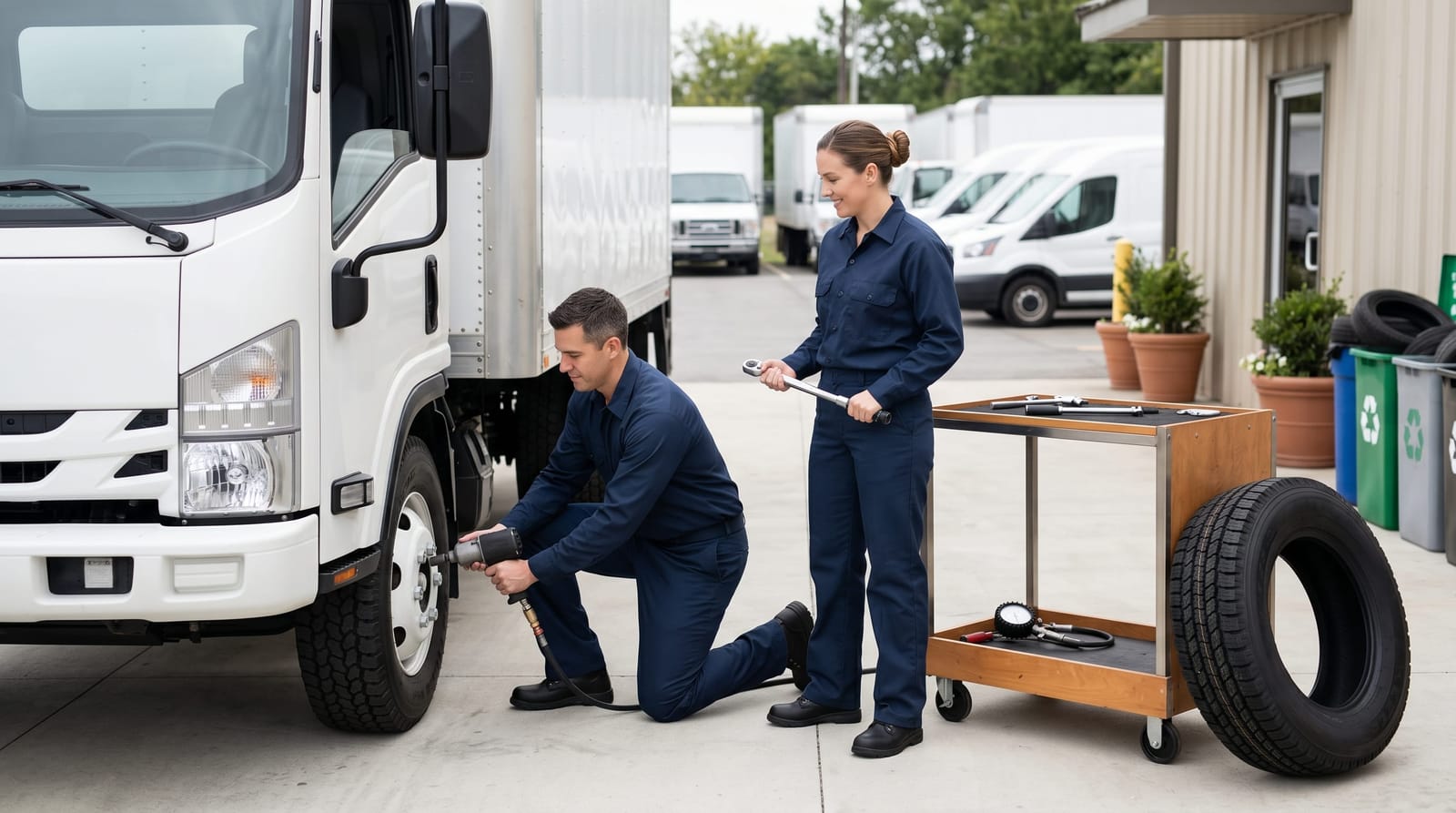
Managing tire replacement across a fleet of vehicles is one of those operational challenges that can quietly drain your budget if there's no clear system in place. Whether you're running five vehicles or fifty, fleet tire replacement management requires more than just swapping tires when they look worn. It takes consistent tracking, scheduled inspections, and smart planning to keep every vehicle road-ready and your overall costs predictable. This post breaks down the key practices that help fleet managers stay ahead of tire wear, and avoid the kind of unplanned downtime that disrupts operations.
Why Fleet Tire Replacement Management Deserves a Dedicated System
For most commercial fleets, tires represent the second-highest operating expense after fuel. That's a significant line item, and one that's highly manageable when the right processes are in place. Without a dedicated system, fleets tend to operate reactively: replacing tires only after they've failed or when a driver reports an obvious problem. This reactive approach costs more in the long run because it leads to emergency replacements, unplanned service stops, and vehicles sitting idle when they should be on the road.
A proactive fleet tire replacement management approach shifts the focus to lifecycle planning. Instead of asking "Is this tire worn out?" you start asking "When should this tire be replaced, and what's the most cost-effective schedule to follow?" That shift in thinking makes a measurable difference. Fleets that move from reactive to scheduled tire maintenance typically see:
- Reduced unplanned vehicle downtime by 20-30%
- Lower per-tire costs through bulk scheduling and planned purchases
- Improved fuel efficiency, since properly maintained tires reduce rolling resistance
- Extended tire lifespan through timely rotations and pressure management
- Better driver safety across the entire fleet
Treating tires as performance assets rather than simple consumables is a mindset that pays off across the board.
Building a Tire Tracking System That Actually Works
The foundation of any solid fleet tire replacement management program is accurate tire tracking. You need to know the condition, history, and projected lifespan of every tire on every vehicle in your fleet. Without this data, you're making replacement decisions based on guesswork rather than real information.
Here's what a practical tire tracking system should capture for each tire:
- Installation date, when the tire was put into service
- Tread depth measurements: recorded at regular service intervals
- Mileage since installation: tracked per vehicle or odometer log
- Tire pressure history: noting any recurring inflation issues
- Repair history: any patches, plug repairs, or sidewall concerns
- Position on the vehicle: front, rear, drive axle, steer axle
Fleet management software platforms like Fleetio make this tracking straightforward by logging every tire from installation through retirement. Even a well-maintained spreadsheet is better than no system at all for smaller fleets. The goal is to have visibility into your tire inventory so that replacement decisions are data-driven rather than reactive.
Consistent inspection intervals are equally important. Scheduling a brief tire inspection every 5,000 to 7,500 miles, or at every oil change: gives you the updated data points needed to flag tires approaching replacement thresholds before they become problems.
Setting Replacement Thresholds and Scheduling Replacements Strategically
One of the most practical aspects of fleet tire replacement management is establishing clear replacement thresholds so there's no ambiguity about when a tire should come off a vehicle. Without defined standards, decisions get made inconsistently, which increases both safety risk and cost variability.
Standard replacement thresholds to follow across your fleet:
- Tread depth at or below 4/32": the widely recommended threshold for commercial and fleet vehicles (passenger vehicles often use 2/32", but fleet vehicles benefit from replacing earlier)
- Age over 6 years, even tires with acceptable tread depth can degrade internally after 6 years, especially in warmer climates
- Visible sidewall damage or bulging: these tires should be replaced immediately regardless of tread depth
- Repeated pressure loss: a tire that consistently loses air is signaling an underlying issue worth addressing promptly
Once thresholds are set, you can schedule replacements in advance rather than scrambling. For example, if your tracking data shows that 8 vehicles in your fleet will need front tire replacements within the next 60 days, you can schedule those appointments together, negotiate better pricing on volume, and minimize the time each vehicle spends off the road. Batch scheduling tire replacements, grouping multiple vehicles into a single service window, is one of the most effective cost-saving strategies available to fleet operators.
Cost Optimization Strategies for Fleet Tire Replacement
Keeping fleet tire replacement costs manageable isn't about finding the cheapest tires: it's about getting the best value over time. A lower-cost tire that wears 30% faster than a mid-range option often ends up costing more per mile over its lifetime. Effective fleet tire replacement management accounts for total cost of ownership, not just the initial purchase price.
Practical cost optimization strategies include:
- Standardize tire brands and sizes across your fleet where possible: this simplifies inventory, purchasing, and rotation compatibility
- Establish a service relationship with a trusted local tire provider: consistent service means your provider understands your fleet's patterns and can offer better scheduling flexibility
- Rotate tires on schedule: rotating every 5,000 to 7,500 miles evens out wear and adds meaningful miles to each tire's lifespan
- Maintain correct tire pressure: tires running at improper inflation wear unevenly and wear out faster; each 10% drop in pressure can reduce tire life by up to 10%
- Keep wheels properly aligned: misalignment is one of the fastest ways to destroy a tire prematurely; check alignment whenever a vehicle hits a significant pothole or curb
- Track cost-per-mile for each tire brand: over time, this data will reveal which tire choices deliver the best value for your specific vehicles and routes
Programs like Michelin Fleet Solutions are designed around exactly this kind of lifecycle thinking, helping fleet operators move from reactive tire replacement to a more predictable, budget-friendly maintenance model.
Keeping Vehicles Road-Ready Through Consistent Fleet Tire Care
Beyond replacement scheduling, maintaining vehicle readiness comes down to making tire care part of your regular fleet maintenance routine. Tires that are tracked, rotated, and inspected consistently simply perform better and last longer, which translates directly to more reliable vehicles and fewer unexpected service interruptions.
Building tire checks into your existing maintenance intervals is the most practical approach. Since most fleet vehicles visit a service provider regularly for oil changes and routine maintenance, those appointments are natural checkpoints for tire inspections. Your service provider can measure tread depth, check inflation, look for uneven wear patterns, and flag anything that needs attention, all in the same visit.
For fleet operators in the Claremont area, having a reliable local service provider is especially valuable. Rather than managing tire replacement across multiple shops, working with a consistent provider who knows your fleet makes the whole process more efficient. They can maintain service records, notice patterns across your vehicles, and help you plan ahead rather than react to problems.
Frequently Asked Questions About Fleet Tire Replacement Management
How often should fleet vehicle tires be inspected?
Fleet tires should be visually inspected by drivers before each shift and receive a formal measured inspection every 5,000 to 7,500 miles, or at each scheduled oil change interval. More frequent inspections make sense for vehicles that operate on rough terrain, carry heavy loads, or log high weekly mileage.
What's the most common reason fleet tires wear out faster than expected?
Improper tire inflation is the leading cause of premature fleet tire wear. Tires running underinflated generate excess heat, wear down the shoulders faster, and reduce fuel efficiency. Regular pressure checks, at least weekly for high-use vehicles, can significantly extend tire life across your fleet.
Is it worth investing in fleet tire management software for a small fleet?
For fleets of 10 or more vehicles, dedicated software typically pays for itself through improved maintenance scheduling and reduced unplanned replacements. For smaller fleets, a well-organized spreadsheet with consistent data entry can accomplish the same tracking goals. The key is having a system, not necessarily an expensive one.
Should all tires on a fleet vehicle be replaced at the same time?
Not necessarily. Replacing tires in axle pairs (both front or both rear at the same time) is the recommended minimum to maintain balanced handling. However, if three or four tires are near the replacement threshold at the same time, replacing all four together can simplify scheduling and reduce the total number of service visits over time.
Conclusion
Effective fleet tire replacement management comes down to three fundamentals: tracking your tires accurately, setting clear replacement thresholds, and scheduling service proactively rather than reacting to problems. When those pieces are in place, tire costs become more predictable, vehicles stay road-ready, and drivers stay safer. For fleet operators in the Claremont area, partnering with a reliable local service provider who understands the demands of fleet maintenance makes all of this significantly easier to manage over the long term.