How Often Should Fleet Vehicles Have Brake Inspections?
Managing a commercial fleet means keeping vehicles safe, compliant, and on the road. Brakes are one of the most critical systems to maintain. If you're wondering how to build a reliable fleet brake inspection schedule, you're asking the right question. This post breaks down recommended inspection intervals, what inspectors look for, and how a consistent maintenance routine protects your drivers, your business, and your bottom line.
The Recommended Fleet Brake Inspection Schedule
A solid fleet brake inspection schedule follows a layered approach. Different checks happen at different intervals based on mileage and time. Here's a practical breakdown that most fleet managers and automotive professionals recommend:
Every 15,000 to 30,000 Miles
At this interval, brake inspections should be part of every routine service visit. A technician checks brake pad thickness, rotor condition, and brake fluid levels. This is also when early wear patterns get caught before they become expensive repairs. For fleets operating in stop-and-go traffic, delivery vehicles, shuttles, or service trucks, this interval may need to be shortened.
Every 30,000 to 60,000 Miles or Every 6 Months
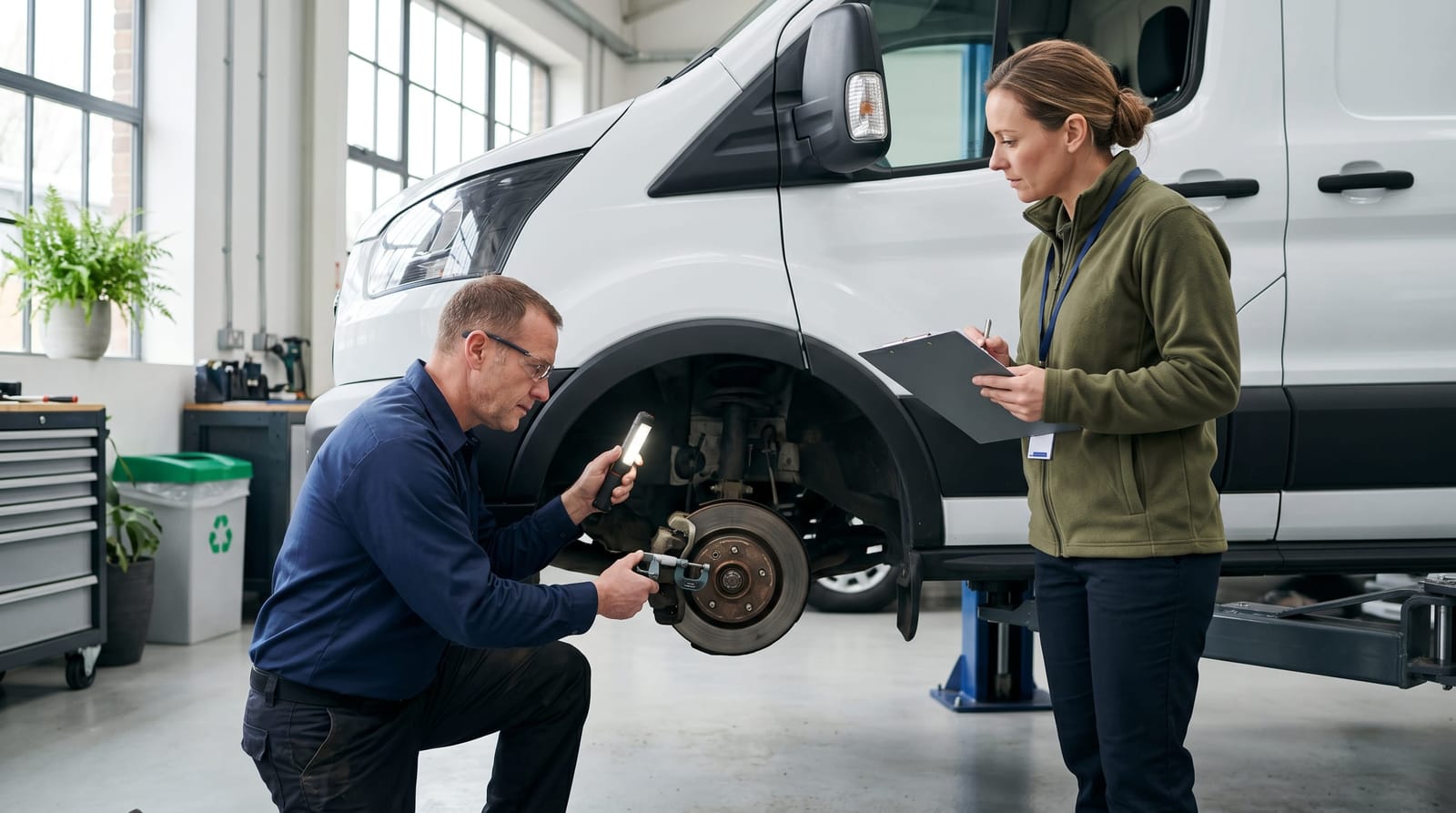
This is the most commonly recommended full brake inspection interval for commercial fleet vehicles. At this stage, technicians perform a more thorough evaluation. This includes checking calipers, brake lines, hardware, and wheel cylinders. Rotors get measured for thickness and warping. If your fleet vehicles operate under heavy loads or in hilly terrain, inspections at the lower end of this range: closer to 30,000 miles: make more sense.
Before and After Long Routes or Heavy-Use Periods
Seasonal changes and extended use increase brake wear. Scheduling a fleet brake inspection before and after high-demand periods, like holiday delivery surges or summer road trips for passenger vans, helps catch any issues that developed under stress. It's a simple step that prevents unexpected downtime.
What a Fleet Brake Inspection Actually Covers
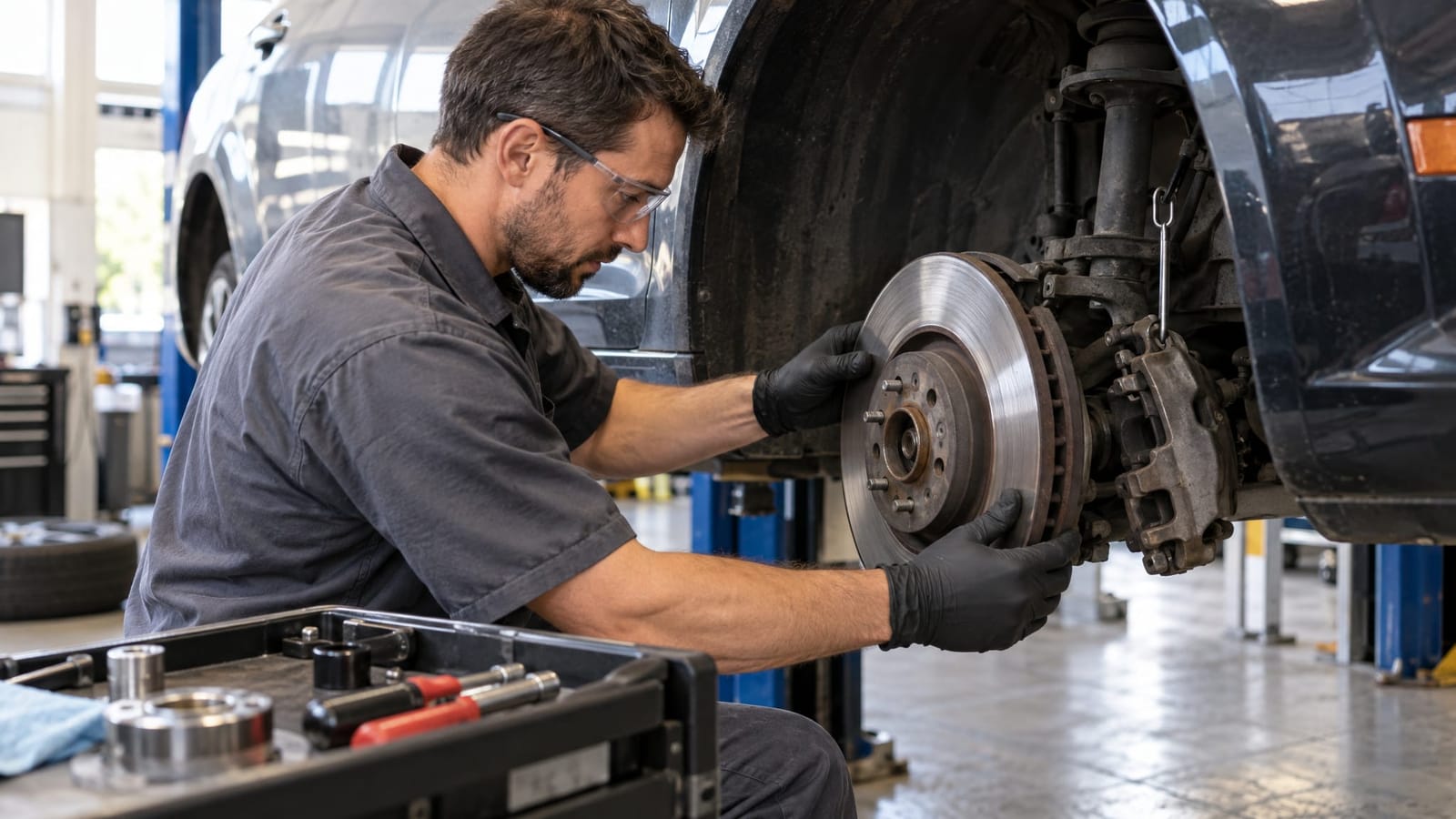
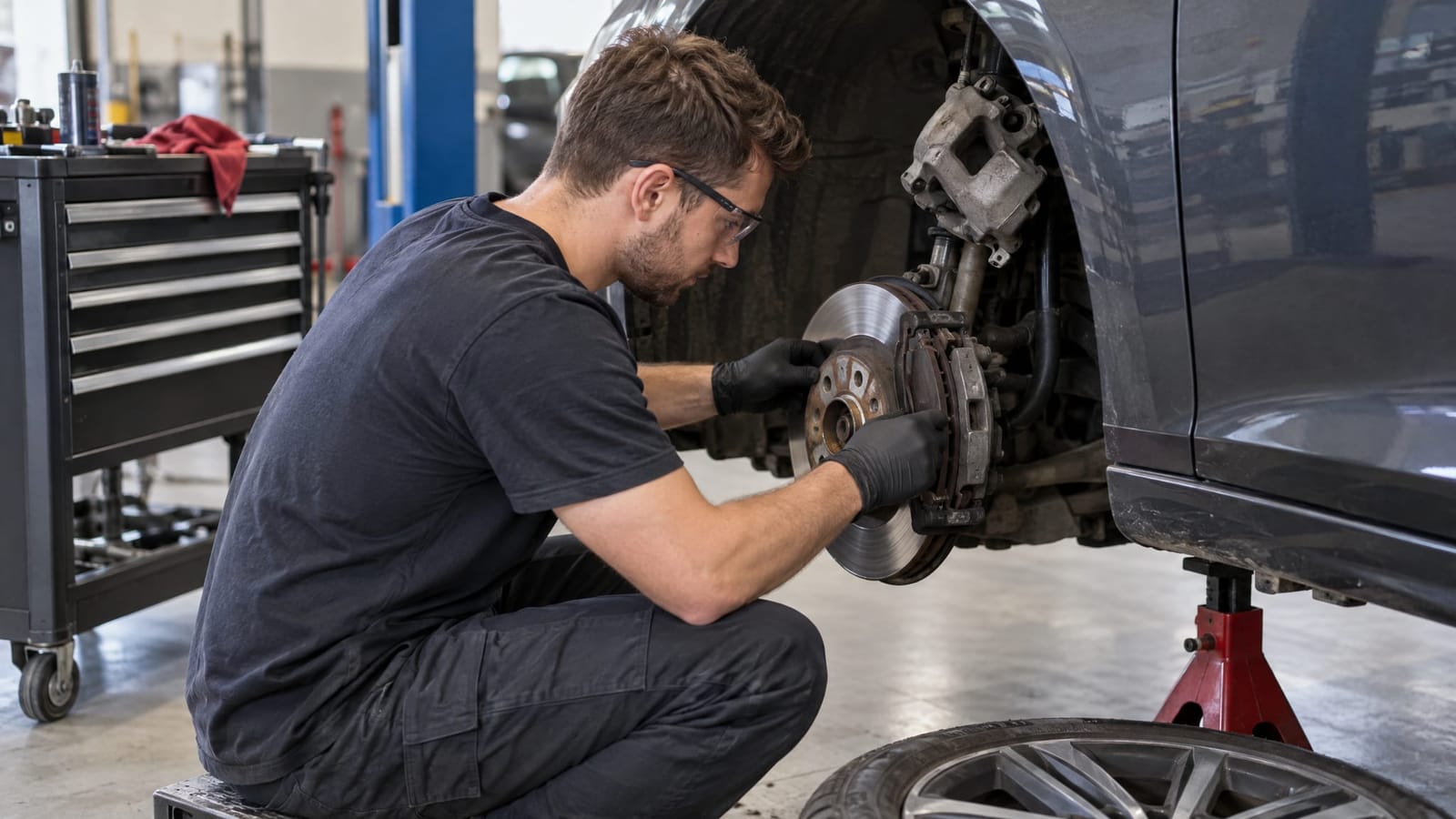
A thorough fleet brake inspection is more than a quick glance at the brake pads. Technicians look at the entire braking system to make sure every component is working together correctly. Here's what a proper inspection includes:
- Brake pad and shoe thickness: Worn pads reduce stopping power. Technicians measure thickness and flag pads nearing the replacement threshold.
- Rotor and drum condition: Rotors can develop grooves, cracks, or uneven wear. These affect braking consistency and driver safety.
- Brake fluid quality and level: Brake fluid absorbs moisture over time. Contaminated fluid can reduce braking effectiveness, especially in hot conditions.
- Calipers and wheel cylinders: These apply pressure to the brakes. Sticking or leaking calipers cause uneven braking and accelerated pad wear.
- Brake lines and hoses: Cracks or soft spots in brake lines are a serious safety concern. Inspectors check for leaks and deterioration.
- Parking brake function: On commercial vehicles, a working parking brake is both a safety feature and a regulatory requirement.
- Driver-reported issues: Squealing, pulling to one side, or a soft brake pedal are all signs that should be documented and investigated during every inspection.
Covering all of these points, not just pad thickness, is what separates a thorough fleet brake inspection from a rushed one.
Why Regulatory Compliance Matters for Fleet Brake Inspections
Fleet vehicles don't just follow the same maintenance guidelines as personal cars. Many commercial vehicles are subject to state and federal safety regulations. The Federal Motor Carrier Safety Administration (FMCSA) requires that commercial motor vehicles have regular brake inspections and that brake-related defects be corrected before the vehicle returns to service.
A documented fleet brake inspection schedule protects your business in several ways. First, it shows regulators that your fleet follows proper safety protocols. Second, it creates a paper trail if a vehicle is involved in an accident. Third, it helps you avoid costly roadside inspections that take vehicles out of service unexpectedly.
Working with a certified shop that understands commercial vehicle brake requirements helps keep your fleet compliant. ASE-certified technicians know what documentation is needed and what standards must be met. Proper recordkeeping isn't just helpful, for many fleet operators, it's required.
How Driving Conditions Affect Your Fleet Brake Inspection Frequency
Not all fleet vehicles wear brakes at the same rate. Driving conditions play a major role in how quickly brakes wear and how often inspections should happen. Consider these factors when setting your fleet brake inspection schedule:
- Urban stop-and-go driving: Frequent braking in city traffic causes faster pad and rotor wear. Fleets operating in cities may need inspections closer to every 15,000 miles.
- Highway driving: Less frequent braking means slower wear. Longer intervals may be appropriate, but inspections still shouldn't be skipped.
- Heavy loads: Vehicles carrying cargo or towing trailers put more stress on brakes. Heavier vehicles need more stopping power and wear through brakes faster.
- Hilly or mountainous routes: Downhill driving puts sustained pressure on brakes. Brake fade, when overheated brakes lose effectiveness, is a real risk for vehicles running mountain routes regularly.
- Weather exposure: Wet or icy conditions increase the frequency of hard braking. Moisture also causes rust buildup on rotors that affects braking performance.
A fleet manager should discuss these factors with their service provider to build a fleet brake inspection schedule that fits their actual operating conditions, not just a generic calendar.
Building a Preventive Maintenance Program Around Brake Inspections
The most effective fleet brake inspection schedule is part of a broader preventive maintenance program. Reactive maintenance, fixing things after they break, is always more expensive than catching problems early. Brake issues are a clear example of this. A worn brake pad caught during a routine inspection costs a fraction of what a rotor replacement costs after pads wear down completely.
Here's how to build brake inspections into a broader fleet maintenance plan:
- Track mileage for every vehicle individually. Each vehicle in a fleet has its own wear pattern. Don't manage all vehicles on the same schedule without accounting for usage differences.
- Create a driver reporting system. Drivers are often the first to notice brake changes. A simple process for reporting unusual sounds, vibrations, or pedal feel helps catch issues between scheduled inspections.
- Document every inspection. Keep records of what was checked, what was found, and what was serviced. This supports compliance and helps identify patterns across your fleet.
- Partner with a trusted shop. A consistent relationship with a reliable automotive service provider means technicians become familiar with your vehicles and can spot changes over time.
Fleet managers who treat brake inspections as a scheduled business expense, rather than a reaction to problems, keep their vehicles safer and their costs more predictable.
Frequently Asked Questions
How often should a commercial fleet vehicle have a full brake inspection?
Most fleet vehicles should have a full brake inspection every 30,000 to 60,000 miles or every six months, whichever comes first. Vehicles operating under heavy loads or in stop-and-go traffic may need inspections more frequently: closer to every 15,000 to 30,000 miles. The right fleet brake inspection schedule depends on your vehicles' specific operating conditions.
Are fleet brake inspections required by law?
For commercial motor vehicles covered by FMCSA regulations, brake inspections and proper brake function are required by federal law. Drivers are required to perform pre-trip and post-trip inspections that include checking brake function. Defects must be corrected before a vehicle returns to service. State regulations may add additional requirements depending on your location and vehicle type.
What are the signs that a fleet vehicle needs an immediate brake inspection?
Don't wait for a scheduled inspection if drivers report any of these warning signs: grinding or squealing during braking, a spongy or low brake pedal, the vehicle pulling to one side when stopping, vibration through the steering wheel during braking, or the brake warning light turning on. These are signals to have the vehicle inspected right away, not at the next scheduled service.
Can fleet brake inspections be combined with other routine maintenance?
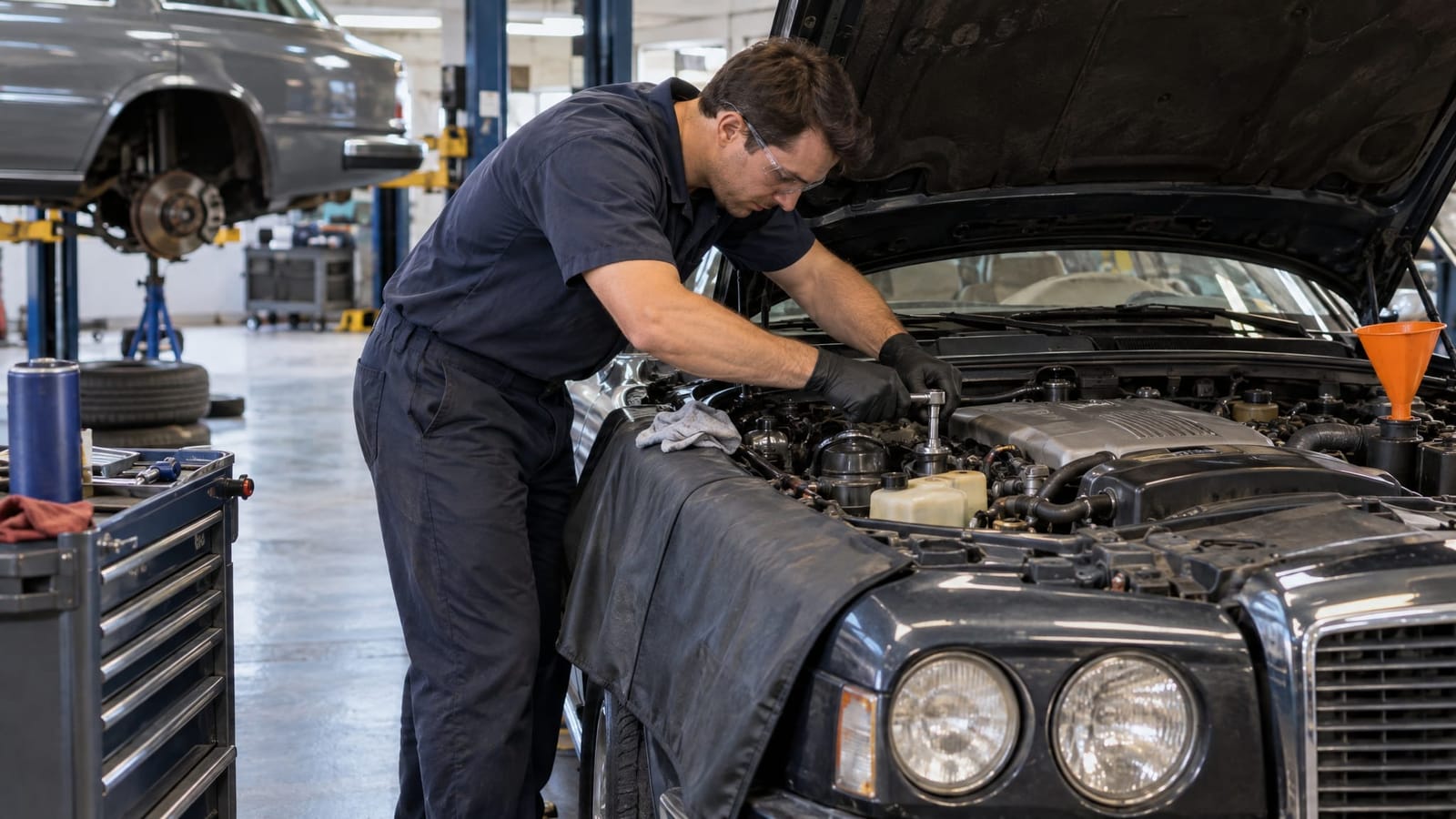
Yes, and it's actually the most efficient approach. Combining brake inspections with oil changes and multi-point inspections saves time and reduces the number of service visits. Many shops that handle fleet maintenance can build a combined service schedule that covers brakes, fluids, tires, and filters in a single organized program.
Keeping Your Fleet Safe with a Consistent Brake Inspection Schedule
A well-planned fleet brake inspection schedule is one of the most practical investments a fleet manager can make. Brakes wear differently across vehicles, routes, and seasons, which means inspections need to be consistent, documented, and adjusted to real-world conditions. Staying ahead of brake wear keeps drivers safe, keeps vehicles compliant, and prevents the kind of unplanned repairs that disrupt operations. Pair your brake maintenance routine with a complete preventive maintenance program and your fleet will stay reliable mile after mile.