Diesel Truck Fleet Maintenance: Keeping Commercial Vehicles Running

Introduction
Running a fleet of diesel trucks is a serious operational commitment. Every vehicle on your roster represents revenue, reliability, and responsibility. When one truck sits idle due to a preventable breakdown, the ripple effect hits your schedule, your clients, and your bottom line. That is why diesel truck fleet maintenance deserves the same careful planning as any other part of your business operation.
As part of our Complete Diesel Vehicle Service Guide, this post focuses specifically on what fleet operators need to know about keeping commercial diesel vehicles road-ready. We will cover practical maintenance scheduling, cost management, common service priorities, and how to reduce downtime across your entire fleet. Whether you manage three trucks or thirty, the right approach to diesel truck fleet maintenance makes a measurable difference in long-term vehicle performance and operating costs.
Why Fleet Diesel Maintenance Requires a Different Approach
Diesel trucks used in commercial operations face demands that personal vehicles simply do not. They run longer hours, carry heavier loads, travel higher annual mileage, and often operate in demanding conditions like construction sites, agricultural routes, or long-haul highways. According to industry data, commercial diesel trucks can accumulate between 100,000 and 150,000 kilometres per year: compared to roughly 20,000 kilometres for the average personal vehicle.
That usage intensity means wear happens faster and consequences of delayed maintenance are more significant. A personal vehicle owner who skips one oil change may experience minor engine stress over time. A commercial truck operator who skips routine service on multiple vehicles can face cascading failures that pull entire units off the road.
The Cost of Reactive Versus Preventive Maintenance
Reactive maintenance, fixing things after they break, costs significantly more than planned preventive service. Studies from fleet management organizations suggest that reactive repairs cost 3 to 4 times more than the equivalent preventive service when you factor in towing, emergency labour rates, parts markups, and lost operating time. For diesel truck fleets, this gap widens even further because diesel components like injectors, turbochargers, and emissions systems carry higher repair costs than typical gasoline engine parts.
Preventive diesel truck fleet maintenance shifts your spending from unpredictable emergency repairs to manageable, budgeted service intervals. That shift alone can dramatically stabilize your operating costs over a 12-month period.
Core Components of a Diesel Fleet Maintenance Program
A well-structured diesel truck fleet maintenance program covers several service areas consistently. Each one plays a role in keeping vehicles reliable and compliant with commercial vehicle regulations.
Oil and Fluid Service
Diesel engine oil works harder than gasoline engine oil. Diesel combustion produces more soot and byproducts, which break down oil faster and require more frequent attention. For commercial diesel trucks, oil change intervals typically range from every 10,000 to 20,000 kilometres, depending on the engine, load conditions, and oil specification used.
For a more detailed look at what makes diesel oil service unique, our post on diesel oil change service walks through the specific requirements that set diesel maintenance apart from standard vehicle service.
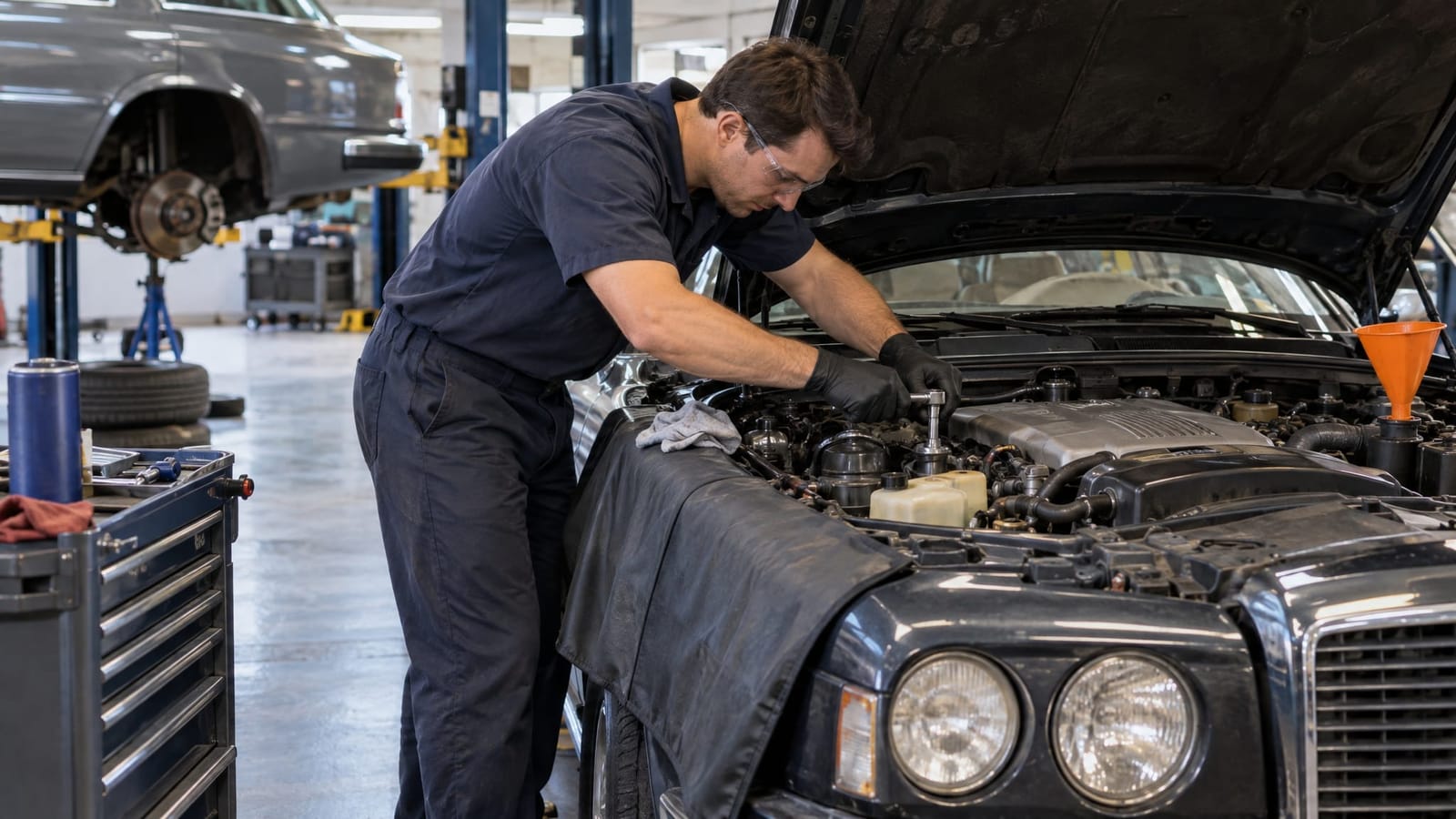
Beyond engine oil, a complete diesel truck fleet maintenance schedule includes coolant levels and condition, transmission fluid, differential fluid, power steering fluid, and brake fluid. Each fluid has its own service interval and condition threshold. Checking all of them consistently prevents multiple potential failure points across your fleet.
Filter Replacements
Diesel engines rely heavily on filtration systems to protect sensitive components. Key filters that require regular replacement include:
- Engine air filters: Dirty air filters restrict airflow and force the engine to work harder. In dusty work environments, these may need replacement more frequently than the standard interval.
- Fuel filters: Diesel fuel quality varies, and contamination or water in the fuel system can damage injectors. Most diesel trucks require fuel filter changes every 30,000 to 50,000 kilometres.
- Oil filters: Replaced at every oil change to ensure clean oil circulates through the engine.
- Diesel particulate filter (DPF): This emissions component traps soot particles. It requires periodic regeneration cycles and professional cleaning or replacement depending on mileage and operating conditions.
Brake and Safety Inspections
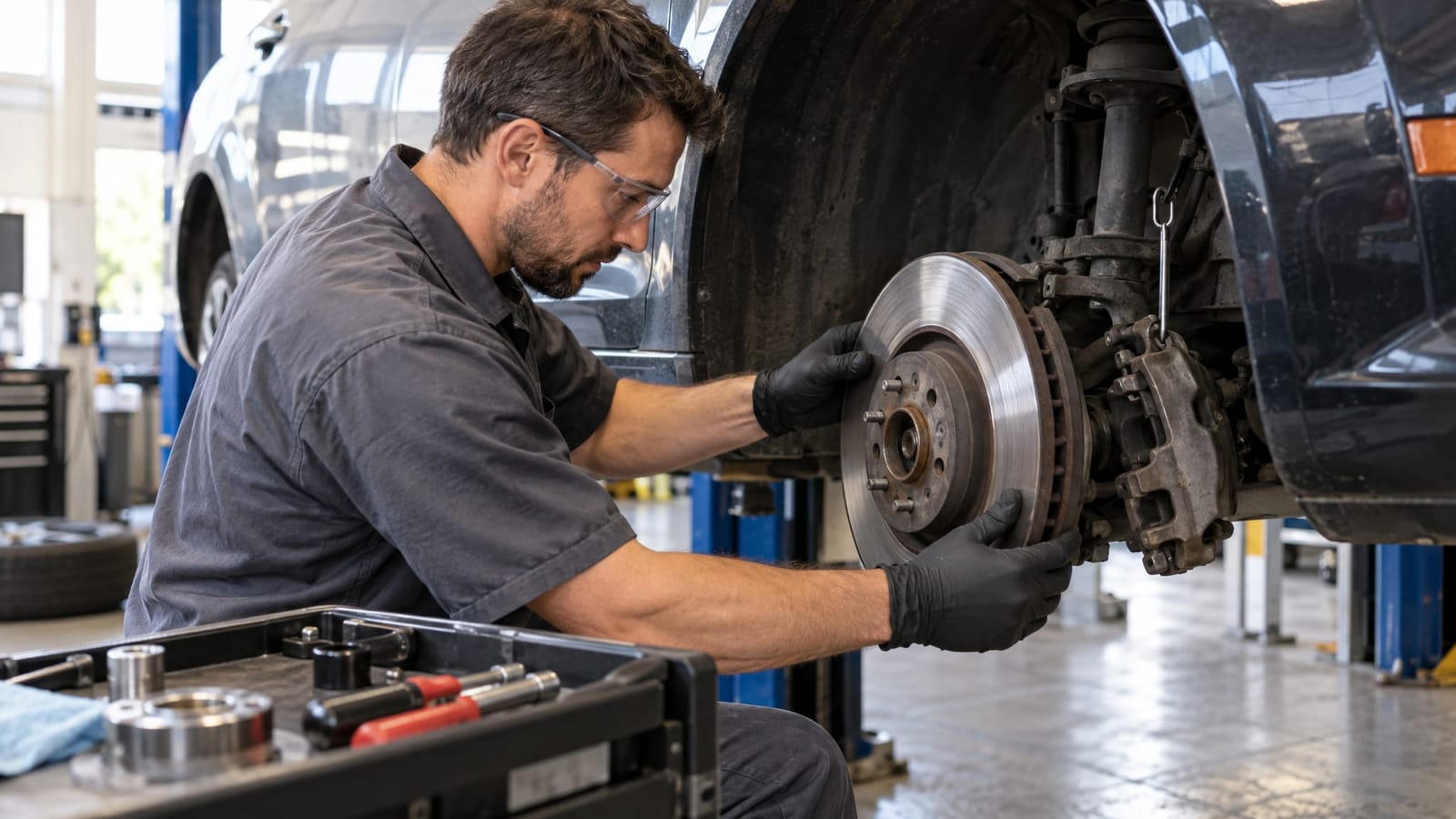
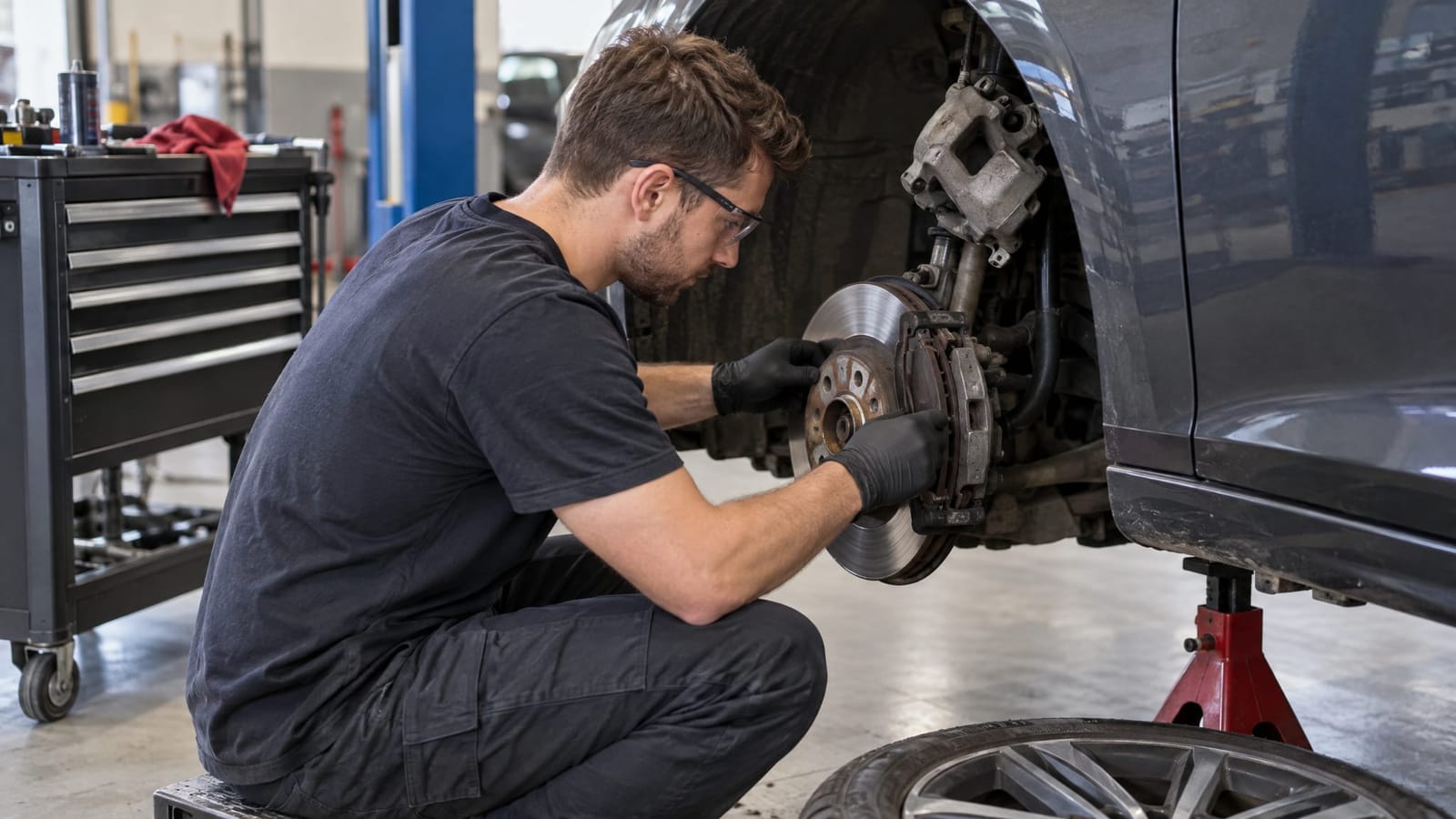
Commercial diesel trucks carry significant loads. Brake system performance is both a safety requirement and a regulatory compliance issue. Regular inspections of brake pads, rotors, drums, and air brake components (where applicable) should be built into every fleet maintenance schedule. In Ontario, commercial vehicle inspections are required by law, and brake defects are among the most common reasons vehicles are placed out of service during roadside checks.
Building a Practical Fleet Maintenance Schedule
Scheduling is one of the biggest challenges in diesel truck fleet maintenance. You need vehicles serviced regularly without pulling too many off the road at once. The goal is to create a rolling schedule that keeps your fleet moving while staying ahead of service deadlines.
Interval-Based vs. Mileage-Based Scheduling
Most fleet operators use a combination of both approaches. Mileage-based scheduling triggers service when a vehicle hits a specific odometer reading, for example, an oil change every 15,000 kilometres. Time-based scheduling triggers service at fixed calendar intervals, for example, every 3 months regardless of mileage, which is important for vehicles that may sit idle during slow periods but still age mechanically.
Using both methods together ensures no vehicle falls through the cracks, whether it is a high-mileage highway truck or a lighter-use unit that rarely hits the road.
Staggering Service Appointments
Fleet operators with 5 or more vehicles benefit from staggering service appointments across different days or weeks. Rather than booking all trucks for the same month, spread service visits evenly to maintain capacity. A rotating schedule means you always have the majority of your fleet available while individual units come in for maintenance.
If you are working through the details of setting up a scheduling system, our guide on schedule fleet diesel maintenance covers practical approaches that work for both small and large commercial operations.
Using Fleet Tracking to Stay Organized
Fleet management software has become an accessible and practical tool even for smaller operations. Many platforms track mileage automatically, generate service reminders, and maintain service records for each vehicle. Some integrate with telematics systems that flag unusual engine behaviour or fault codes in real time. Even a basic spreadsheet system that logs service dates and upcoming intervals is better than relying on memory across multiple vehicles.
Managing Diesel Fleet Maintenance Costs
Cost control is central to any fleet operation. Diesel truck fleet maintenance is an ongoing expense, but it is a controllable one when managed properly. Understanding where money goes helps you make smarter decisions about service priorities and timing.
Where Fleet Maintenance Costs Come From
The main cost categories in diesel fleet maintenance include:
- Routine service labour: Oil changes, filter replacements, and inspections
- Parts and fluids: Quality diesel-rated products cost more upfront but typically outperform cheaper alternatives
- Unplanned repairs: The most expensive category, and the one that preventive maintenance most directly reduces
- Downtime costs: Lost revenue when a vehicle is off the road unexpectedly
For a closer look at what different service items typically cost for diesel trucks in Ontario, our post on diesel truck maintenance cost breaks down realistic numbers for common service intervals.
Prioritizing High-Impact Services
Not all maintenance items carry equal weight. If budget constraints require prioritization, focus first on services that directly protect the engine and drivetrain: oil changes, coolant service, and fuel system maintenance. These are the areas where neglect most quickly leads to expensive repair bills. Secondary priorities include brake inspections, tire rotations, and emissions system checks.
Building Maintenance Into Your Operating Budget
Fleet operators who treat maintenance as a fixed monthly budget line rather than a surprise expense manage costs more effectively. A reasonable estimate for preventive maintenance on a commercial diesel truck ranges from $3,000 to $6,000 per vehicle annually, depending on age, mileage, and operating conditions. That number sounds significant until you compare it to a single major repair: a diesel injector replacement can run $1,500 to $3,000 per injector, and engines have multiple injectors.
Reducing Fleet Downtime with Smarter Maintenance
Downtime is the real enemy of fleet profitability. Even well-maintained trucks will occasionally need repairs, but the frequency and severity of those events can be significantly reduced with consistent preventive care.
Catching Small Problems Early
Driver pre-trip inspections are one of the most underused tools in fleet maintenance. When drivers are trained to notice and report fluid leaks, unusual noises, warning lights, or brake feel changes before they become serious, you create an early warning system across your entire fleet. Commercial vehicle regulations in Ontario actually require pre-trip inspections for certain vehicle classes: building this habit benefits both compliance and vehicle longevity.
Working with a Consistent Service Provider
Rotating between multiple shops makes it harder to track service history and harder for technicians to spot developing patterns across your vehicles. Working with a consistent provider who knows your fleet builds institutional knowledge that improves service quality over time. For fleets with mixed needs, routine oil changes alongside specialized diesel system service, choosing a shop experienced in diesel oil change service and broader commercial vehicle maintenance reduces the number of handoffs your vehicles need.
Related Topics Worth Exploring
This post covers the core framework for diesel truck fleet maintenance programs. For operators who want to go deeper on specific aspects of fleet management, we cover two detailed topics that connect directly to what we have discussed here:
- Understanding realistic diesel truck maintenance cost figures helps you build accurate operating budgets and evaluate whether your current service spending is on track.
- The practical details of how to schedule fleet diesel maintenance without disrupting daily operations is a challenge worth solving systematically, especially as your fleet grows.
Conclusion
Diesel truck fleet maintenance is not about spending more money on your vehicles: it is about spending that money strategically so your vehicles keep earning. A consistent preventive maintenance program reduces unexpected breakdowns, extends vehicle lifespan, supports regulatory compliance, and gives you far better control over operating costs than a reactive approach ever could.
The trucks in your fleet are working assets. Treating their maintenance the same way you treat any other critical part of your business operation is simply good management. If you are ready to set up a fleet maintenance schedule that keeps your commercial vehicles road-ready, the team at Rancho Express Lube is here to help. Contact us to discuss a maintenance program built around your fleet's specific needs.