Fleet Preventative Maintenance: Keeping Business Vehicles Running Reliably
Why Fleet Preventative Maintenance Is a Business Priority
Keeping your business vehicles on the road is not just a maintenance issue: it is a revenue issue. When a service truck breaks down unexpectedly, your crew stops working. Jobs get delayed. Customers get frustrated. That single breakdown can cost far more than any routine service visit ever would.
A strong fleet preventative maintenance program changes that equation completely. Instead of reacting to problems after they happen, you stay ahead of them. Scheduled oil changes, tire rotations, fluid checks, and inspections become regular habits rather than emergency responses. The result is a more reliable fleet, lower repair bills, and less stress for everyone managing those vehicles.
This post digs into how fleet preventative maintenance programs work, what they should include, and how business owners in Fontana and the surrounding area can build a simple, effective system that protects every vehicle in their fleet. For a broader look at vehicle care, our Complete Preventative Car Maintenance Guide is a great starting point.
What a Fleet Preventative Maintenance Program Actually Includes
A fleet preventative maintenance program is a structured plan for servicing your business vehicles on a regular schedule. The goal is simple: catch small problems before they become expensive ones, and keep every vehicle available and ready to work.
The core of any good program is a defined service schedule. Every vehicle has specific intervals at which certain tasks need to be completed. Those intervals are usually based on mileage, time, or engine hours: whichever comes first.
Routine Service Tasks in a Fleet PM Program
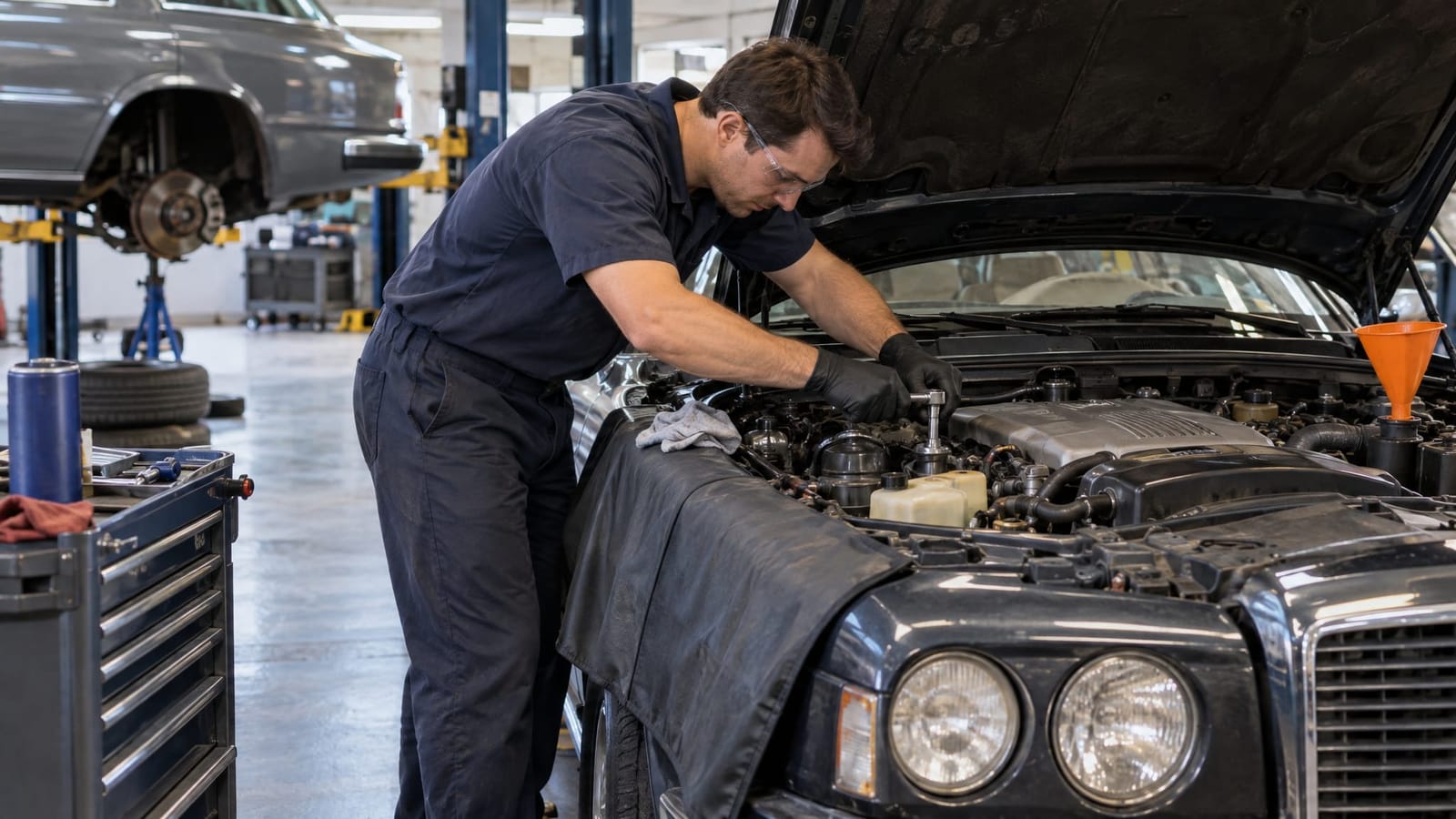
- Oil and filter changes: The single most important service for engine health. Fleet vehicles often work harder than personal vehicles, so oil changes may be needed more frequently.
- Tire rotation and pressure checks: Uneven tire wear shortens tire life and affects fuel efficiency. Regular rotation keeps wear even and extends the life of each set.
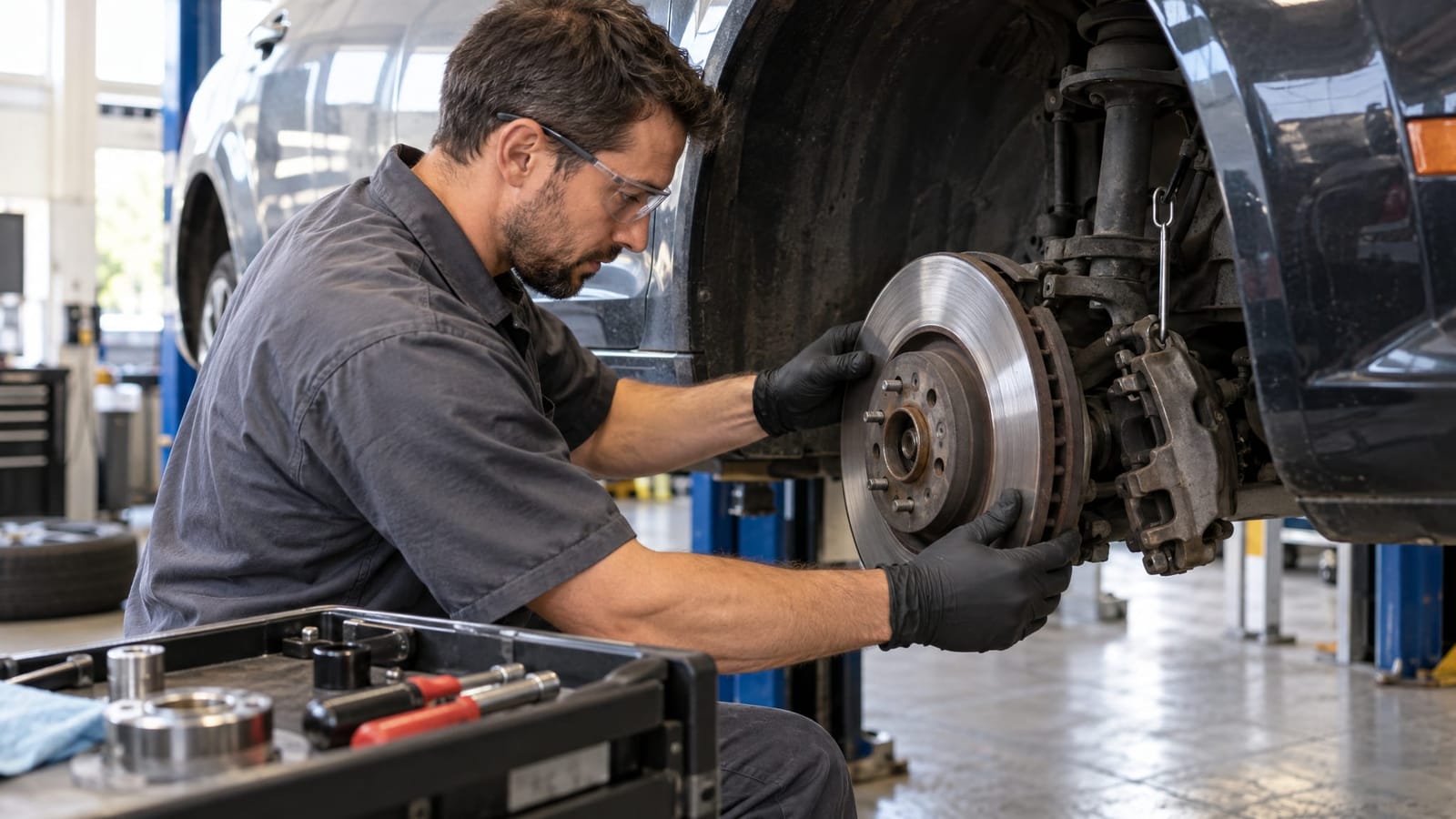
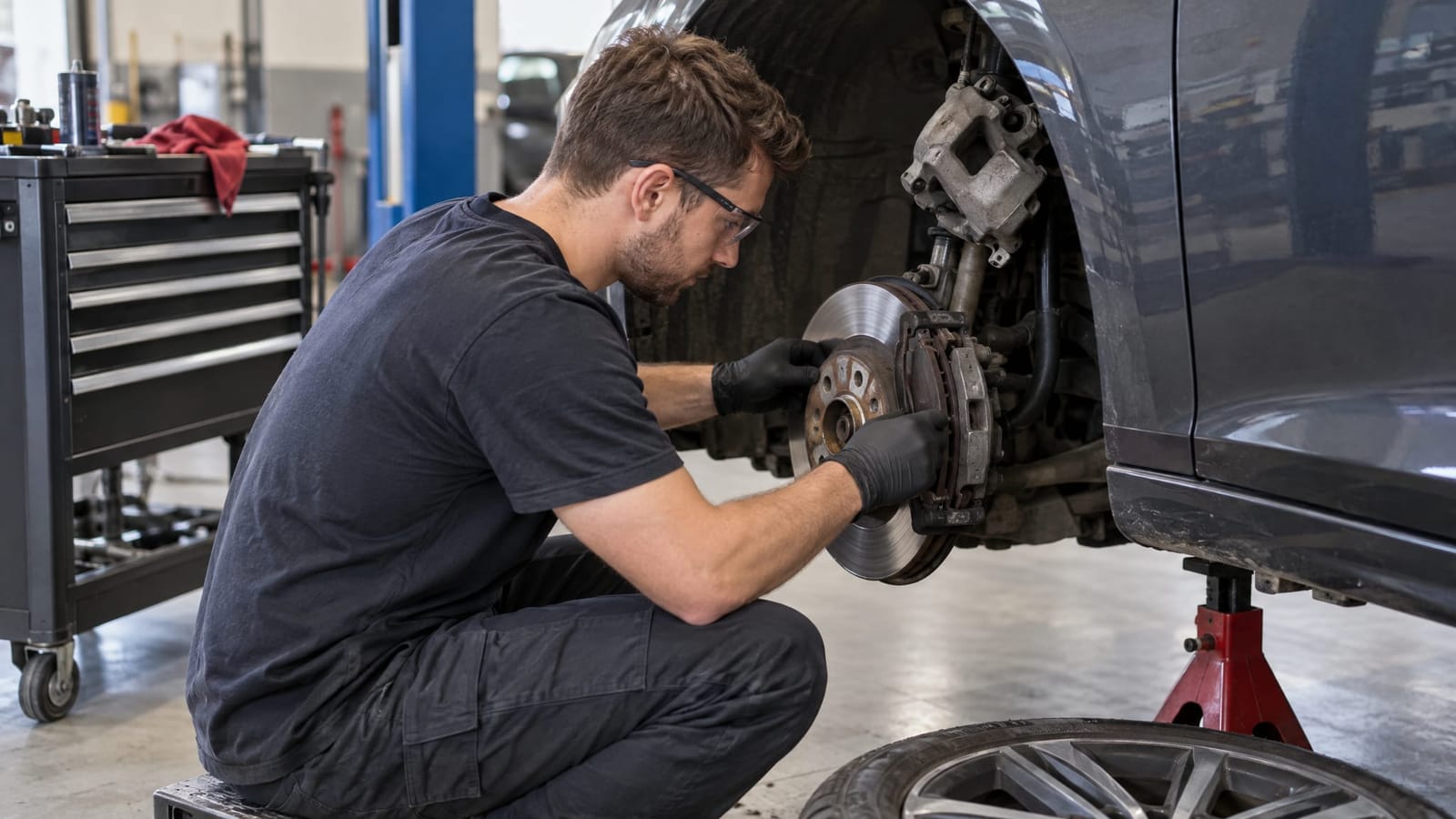
- Brake inspections: Brakes on work trucks and vans take a beating. Catching worn pads early prevents rotor damage and keeps repair costs manageable.
- Fluid top-offs and replacements: Coolant, transmission fluid, brake fluid, and power steering fluid all degrade over time. Keeping them fresh protects critical systems.
- Filter replacements: Air filters and cabin filters affect engine performance and air quality inside the vehicle. These are simple, affordable items that are easy to overlook.
- Battery testing: A dead battery on a job site creates an immediate problem. Testing batteries during routine visits catches weak ones before they fail.
- Belts and hoses inspection: Worn belts and cracked hoses are common causes of breakdowns. Visual inspections during service visits catch these early.
Pair this routine service list with a multi point vehicle inspection at regular intervals, and you have a solid foundation for fleet preventative maintenance that minimizes surprises.
Building a Scheduling System That Actually Works
The biggest challenge most fleet managers face is not knowing what needs to be done: it is keeping track of when each vehicle is due for service. With two or three vehicles, this is manageable. With five, ten, or more, things can quickly fall through the cracks.
A good scheduling system removes guesswork. Every vehicle should have a clear record showing its last service date, current mileage, and the next scheduled service milestone. That information should be easy to access and review at a glance.
Simple Tools for Fleet Maintenance Scheduling
You do not need expensive software to manage a small or mid-sized fleet. A basic spreadsheet can work well if it is updated consistently. Each row represents a vehicle, and columns track oil change intervals, tire rotation dates, brake inspection history, and upcoming service needs.
For fleets with more vehicles, dedicated fleet tracking apps make the job easier. Many send automatic reminders when a vehicle is approaching its service interval. Drivers can log mileage, and the system flags vehicles that are due. For a deeper look at organizing this process, see our guide on fleet maintenance tracking systems that work for businesses of all sizes.
Assigning Maintenance Responsibility
Someone needs to own the maintenance schedule. In a small business, that might be the owner. In a larger operation, it could be a fleet manager or office manager. The key point is that one person is responsible for making sure vehicles get serviced on time. Without clear ownership, it is easy for due dates to pass unnoticed.
Drivers also play an important role. A simple daily walk-around check, looking for low tires, fluid puddles, warning lights, or unusual sounds, can catch developing problems before they become serious. Train your team to report what they notice, and make it easy for them to do so.
How Fleet Preventative Maintenance Controls Costs
Business owners sometimes push back on scheduled maintenance because it feels like an ongoing expense. The reality is the opposite. A consistent fleet preventative maintenance program is one of the most effective ways to control long-term vehicle costs.
Consider the cost difference between a routine oil change and an engine repair caused by neglected oil. An oil change costs a fraction of what engine repairs do. The same logic applies across almost every vehicle system. Replacing worn brake pads costs far less than replacing rotors. Catching a cooling system issue during an inspection costs far less than repairing an overheated engine.
Reducing Unplanned Downtime
Unplanned downtime is expensive in ways that go beyond the repair bill itself. When a vehicle is unexpectedly out of service, your business may need to reschedule jobs, send another crew member in their personal vehicle, or rent a replacement. Each of these options costs money and damages your reputation for reliability.
Fleet preventative maintenance reduces unplanned downtime by identifying issues during scheduled visits. A technician who spots a belt showing signs of wear can replace it during a routine appointment. That same belt failing on the road turns a $50 fix into a tow truck call, a delayed job, and a repair that now happens on someone else's timeline.
Extending Vehicle Lifespan
Business vehicles are significant investments. A well-maintained service truck can stay in reliable operation for many more years than one that receives sporadic attention. Following a consistent fleet preventative maintenance program keeps engines cleaner, mechanical systems functioning properly, and wear patterns more even across tires and brakes. Over time, that translates into more miles of useful life before replacement becomes necessary.
Pairing your maintenance habits with a solid vehicle maintenance schedule guide helps ensure you are hitting every recommended interval, not just the obvious ones like oil changes.
Special Considerations for Service Trucks and Work Vans
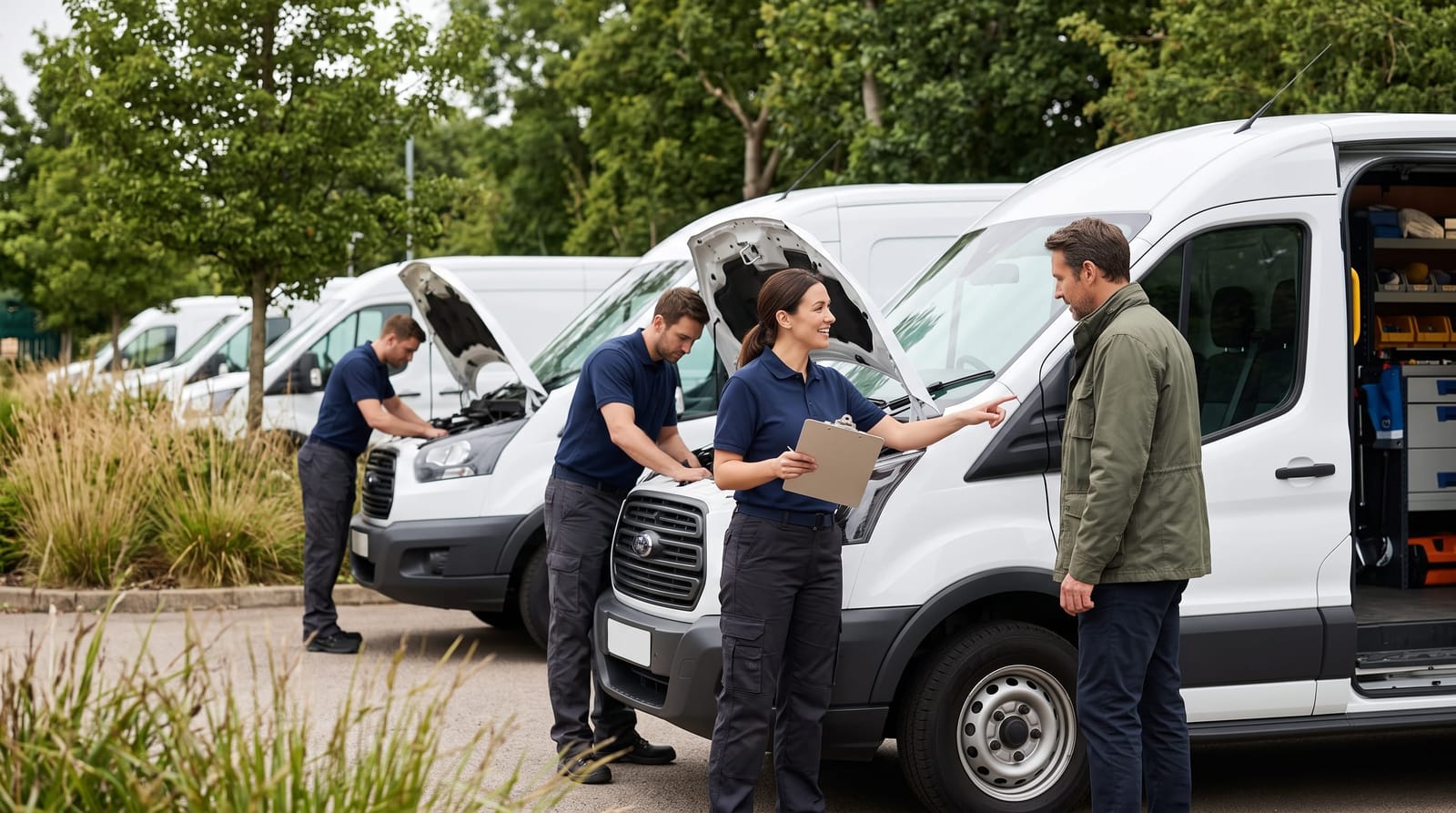
Not all fleet vehicles are the same. A service truck carrying heavy equipment operates under very different conditions than a sales representative's sedan. Work vans that load and unload cargo multiple times a day put extra stress on suspension components, tires, and brakes.
Fleet preventative maintenance programs need to account for how each vehicle is actually being used. A vehicle with heavier daily use or more demanding work conditions may need more frequent service intervals than manufacturer guidelines suggest for typical driving. For more on the specific needs of work trucks, our guide on service truck maintenance requirements covers what goes beyond standard passenger vehicle care.
High-Mileage Fleet Vehicles
Many fleet vehicles accumulate miles quickly. A technician's truck or a delivery van can easily put on 30,000 to 50,000 miles per year. At that pace, oil change intervals arrive faster, tires wear sooner, and systems like brakes and transmissions need more frequent attention. Build your scheduling system around actual usage, not just calendar time.
Climate and Environment Factors
Inland areas like Fontana experience significant temperature swings and dry, dusty conditions. These factors affect how vehicles wear. Air filters may need more frequent replacement due to dust exposure. Cooling systems work harder in summer heat. Tires can degrade faster in intense sun and heat. Factoring local conditions into your fleet preventative maintenance program keeps your service plan realistic and effective.
Finding the Right Service Partner for Your Fleet
Managing a fleet is easier when you have a consistent, reliable service partner. A shop that knows your vehicles, keeps service records, and flags developing concerns at each visit becomes a genuine asset to your operation.
When evaluating a service provider for fleet preventative maintenance, look for a few key qualities. They should be organized and able to handle multiple vehicles without confusion. They should communicate clearly about what was done and what is coming up. And they should be honest about what each vehicle actually needs, not focused on adding unnecessary services.
For business owners in Fontana managing service vehicles, working with a local shop that understands your time constraints and vehicle demands makes the scheduling process smoother. The more consistent your service relationship, the better the shop understands your fleet's history, and the better they can help you stay ahead of problems.
Related Topics Worth Exploring
Fleet preventative maintenance connects to several other areas of vehicle care that are worth understanding in more detail. If you want to dig deeper into the topics touched on in this post, here are a few areas to explore next:
- How to set up a practical tracking system for multiple business vehicles
- What service truck maintenance looks like beyond standard passenger car care
- How to read and follow manufacturer-recommended service intervals for each vehicle in your fleet
- Why multi-point inspections are especially valuable for high-mileage work vehicles
Keeping Your Fleet Road-Ready
A fleet preventative maintenance program is not complicated, but it does require consistency. The businesses that keep their vehicles running reliably are the ones that treat maintenance as a routine part of operations, not something to get around to when there is time.
Start with a clear service schedule for each vehicle. Assign responsibility for tracking and booking appointments. Partner with a shop that can handle your fleet efficiently and communicate clearly. Over time, those habits pay off in fewer breakdowns, lower repair costs, and vehicles that stay in service longer.
If you are ready to set up a fleet preventative maintenance plan for your business vehicles in Fontana, Rancho Express Lube is here to help. Stop by or give us a call to talk about your fleet's needs: we will help you build a service schedule that keeps your operation moving.